The review summarized current knowledge about the potential contribution of foodborne bacteria and antibiotic resistance genes to the human gut resistome, suggesting the integration of gut microbiome and AMR data into risk assessment frameworks.
Recognizing World Food Safety Day (WFSD) 2026 and the new estimates on the global burden of foodborne disease, WHO’s Elaine Borghi, Ph.D. discusses the development of the estimates and how they can be used to drive effective interventions that meaningfully improve food safety and public health.
The New York bill is awaiting the Governor’s signature, while the California bill advances from the Assembly to the Senate. The bills would require baby food and infant formula manufacturers to regularly test their products for toxic heavy metals and disclose results.
The now-recalled requeson cheese was produced by Maryland-based Clover Hill Dairy. Patients have been identified in New York, Maryland, and Virginia, with the earliest illness occurring in early 2023 and the most recent in May 2026.
FDA did not identify deficiencies in ByHeart’s production facilities that could explain the outbreak, but a powdered milk ingredient did test positive for C. botulinum. ByHeart is developing an action plan based on data generated from the investigations.
The World Health Organization (WHO) has released its anticipated updated global burden of foodborne disease estimates, which suggest that 42 microbiological and chemical hazards caused approximately 866 million illnesses and 1.52 million deaths in 2021.
The latest data from the UK Health Security Agency (UKHSA) show that the number of Campylobacter and Salmonella infections in England remained high or increased in 2025, while listeriosis cases stayed stable from the previous year.
The study was conducted to support the development of new global burden of foodborne disease estimates, which are going to be released on June 4, ahead of World Food Safety Day.
A law to protect the public health is a good idea, but it should be based on a risk assessment—i.e., whether exposure to the chemical really elicits an adverse reaction. Perhaps it is time to update or rethink California's Prop 65.
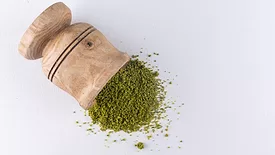
The agency has also reopened a previously closed Salmonella outbreak investigation linked to powdered moringa supplements, with 22 new reported illnesses in four additional states.
 RSS
RSS