FAO Researchers Explore How Foodborne Antimicrobial Resistance Spreads in Gut Microbiome
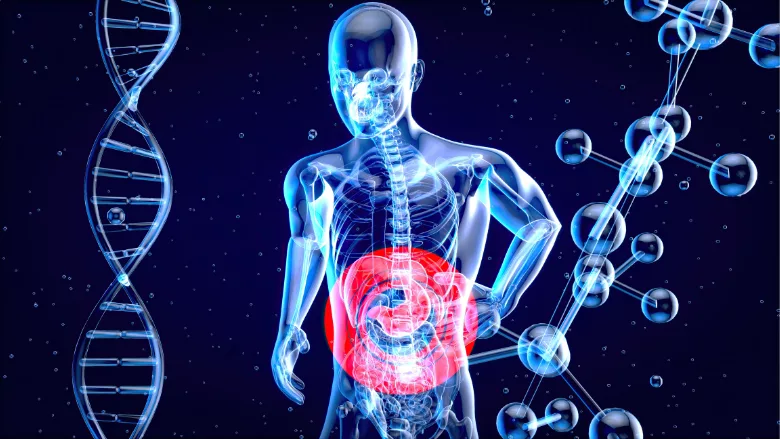
A new review published in Critical Reviews in Food Science and Nutrition examined how foodborne microorganisms, antimicrobial resistance genes (ARGs), and other food-derived substances may influence antimicrobial resistance (AMR) dynamics in the human gut microbiome.
Authored by researchers from the Food and Agriculture Organization of the United Nations (FAO), the review summarized current knowledge about the potential contribution of foodborne bacteria and ARGs to the human gut resistome. Although resistant bacteria and ARGs are frequently detected in foods and food production environments, the authors said their role in the acquisition and dissemination of AMR within the gastrointestinal tract remains unclear.
How Does AMR Spread in the Gut?
The review noted that most microorganisms consumed through food are transient and do not establish long-term colonization in the gut. However, they may still contribute to the transfer of resistance genes to resident gut microbiota through horizontal gene transfer.
Factors that may influence ARG persistence and mobility include microbial composition and density, mobile genetic elements, antimicrobial residues, host physiology, and environmental conditions within the gastrointestinal tract.
Knowledge Gaps and Unanswered Questions
According to the authors, significant knowledge gaps continue to limit understanding of how ARGs persist and spread in the gut. Methodological variability among studies and a lack of in vivo data have made it difficult to compare findings and assess the public health significance of foodborne AMR exposure.
The review identified several unanswered questions, including the frequency and mechanisms of ARG transfer between foodborne bacteria and gut commensals, whether antimicrobial residues permitted in food could promote resistance selection in the gut, and the relative contributions of biofilms, horizontal gene transfer, and genetic mutations to AMR dynamics.
The authors emphasized that reducing these uncertainties is important for strengthening AMR risk assessment and supporting evidence-based mitigation strategies.
Looking for quick answers on food safety topics?
Try Ask FSM, our new smart AI search tool.
Ask FSM →
One Health and Risk Assessments
The researchers also highlighted the role of a One Health approach, noting that best agricultural and food manufacturing practices, antimicrobial stewardship, surveillance programs, and risk assessment frameworks can help reduce the emergence and spread of resistance throughout the food chain.
The review concluded that integrating gut microbiome and AMR data into risk assessment frameworks could offer significant opportunities to improve future food safety and public health decision-making.