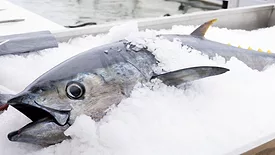
Scombroid toxin and ciguatoxin caused the greatest number of illnesses, hospitalizations, and death. Characterizing marine toxin outbreaks can help guide prevention efforts.
Citing concerns about antibiotic overuse in food-producing animals contributing to the spread of antimicrobial resistance (AMR), the petition calls for FDA to withdraw approvals for the routine use of medically important drugs for disease prevention.
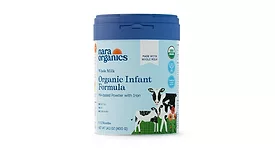
Three babies in three states have been sickened in the second infant botulism outbreak identified since late-2025. All patients were fed Nara Organics Whole Milk Infant Formula. A recall has been issued, and product testing is underway.
As the agency continues to delay enforcement of Salmonella verification testing for not-ready-to-eat, breaded and stuffed chicken products, Consumer Reports is asking for evidence to support USDA-FSIS’ assertion that currently available test methods are not suitable, which contradicts the agency’s previous stance.
Moringa oleifera seed extract could potentially serve as a sustainable alternative to conventional alum coagulants for microplastic removal in drinking water treatments, while also allowing for process simplification and cost savings.
Following a high-profile, global recall of infant formulas due to cereulide contamination in early 2026, the European Commission is drafting an act that would introduce additional checks for the toxin in formulas.
In carrot puree, a low-acid matrix, heat plus pressure achieved significant spore reductions, while cationic antimicrobials enhanced sporicidal effects and prevented regrowth. The hurdle approach offers a potential alternative to conventional thermal processing at severe temperatures, which can degrade food quality.
Dioxins and dioxin-like polychlorinated biphenyls (DL-PCBs) are environmental contaminants generated as byproducts of industrial processes and waste incineration. EFSA’s risk assessment resulted in a lower tolerable weekly intake, which Europeans generally exceed.
The Canadian Food Inspection Agency (CFIA) has published the most recent findings from its Children’s Food Project and National Chemical Residue Monitoring Program, which test foods for toxic heavy metals, veterinary drugs, pesticides, and other substances.
Although the levels of gluten in analyzed samples fell below EU limits, the results from conventional ELISA tests differed from those of a new, more sensitive method. Combining established rapid testing methods with advanced mass spectrometry techniques could potentially improve future detection capabilities.
 RSS
RSS