CDC Reports More Than 1,200 Seafood Toxin Illnesses Between 2011 and 2023
Marine toxins caused 402 foodborne disease outbreaks in the U.S. between 2011 and 2023, resulting in 1,280 illnesses, 96 hospitalizations, and one death, according to a new report published in the U.S. Centers for Disease Control and Prevention’s (CDC’s) Morbidity and Mortality Weekly Report.
Foodborne Marine Toxins Overview
Marine toxins cause most of the noninfectious outbreaks reported to CDC’s Foodborne Disease Outbreak Surveillance System (FDOSS) each year. Certain marine toxins are produced by algae that accumulate in aquatic animals through the food chain, while others result from improper food storage. Marine toxins that cause foodborne illness are tasteless, odorless, resistant to cooking or freezing, and can produce a range of gastrointestinal, neurologic, and neuropsychologic symptoms.
Highest Outbreak Rates in Island and Coastal States
Using FDOSS data, CDC researchers analyzed outbreaks reported by local, state, and territorial health departments during 2011–2023. Outbreaks were reported by 32 states, Washington, D.C., and Puerto Rico. The highest outbreak rates were reported by Hawaii, Puerto Rico, Florida, and Alaska, with incidence rates of 25.3, 16.5, 6.3, and 5.4 outbreaks per million population, respectively.
A food source was identified in 396 outbreaks, and 96 percent implicated fish. Among investigations in which importation status was known, 70 percent of implicated foods were not imported. Private homes were identified as the food preparation location in 51 percent of outbreaks, while sit-down dining restaurants accounted for 34 percent.
Scombroid Toxin and Ciguatoxin Most Significant
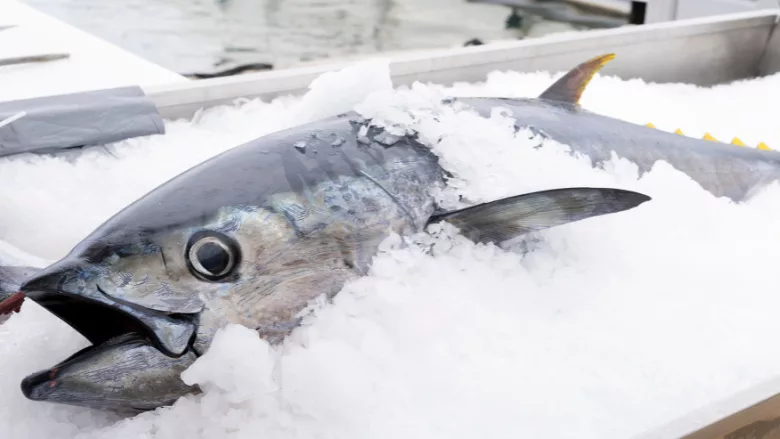
Nearly all outbreak reports (95 percent) implicated either scombroid toxin or ciguatoxin. Scombroid toxin was associated with 192 outbreaks, 597 illnesses, and six hospitalizations. Most scombroid toxin outbreaks implicated tuna, and more than half of outbreaks with known importation status involved imported fish. Sit-down dining restaurants were identified as the preparation location in 57 percent of scombroid toxin outbreaks with a single reported preparation site.
Ciguatoxin was associated with 189 outbreaks, 619 illnesses, and 67 hospitalizations. Florida, Puerto Rico, and Hawaii reported the highest numbers of ciguatoxin outbreaks. Barracuda, grouper, and amberjack were the most commonly implicated fish species. Most outbreaks involved domestically caught fish and fish prepared in private homes.
Shellfish-associated toxins caused 13 outbreaks, resulting in 40 illnesses and nine hospitalizations. Paralytic shellfish poisoning accounted for six outbreaks, followed by neurotoxic shellfish poisoning with four outbreaks. Florida and Alaska reported the largest numbers of shellfish-associated toxin outbreaks. Mussels, sea snails, and clams were the most commonly implicated shellfish. None of the investigations implicated imported shellfish.
Looking for quick answers on food safety topics?
Try Ask FSM, our new smart AI search tool.
Ask FSM →
The Role of Algal Bloom
The report also highlighted concerns about the geographic expansion, increasing frequency, and increasing intensity of harmful algal blooms in U.S. coastal waters, which could increase the presence of ciguatoxin and shellfish-associated toxins in aquatic animals.
Preventing Marine Toxin-Related Illness
According to CDC, characterizing marine toxin outbreaks can help guide prevention efforts. The agency noted that scombroid toxin and ciguatoxin caused the most reported outbreaks, illnesses, and hospitalizations and therefore represent important targets for public health intervention.
CDC also said prevention of scombroid toxin outbreaks requires maintaining seafood temperatures below 40 °F (4.4 °C), from catch to consumption. The agency also suggested that reducing the harvesting of reef fish and shellfish from high-risk areas, especially during and immediately after harmful algal blooms, could help prevent toxin-related illnesses.