The Childhood Diabetes Reduction Act of 2025 would require health warning labels for certain foods and beverages, prohibit marketing of specified products to children, and expand federal nutrition research and education related to ultra-processed foods.
FreshTag Flight Label is intended to support airline Food Safety Management Systems and Quality Management Systems by providing a visual indication of cumulative time-temperature exposure.
The label claim “STABILIZED” would indicate that a ready-to-eat (RTE) product had been formulated or processed to inhibit Listeria monocytogenes growth. The researchers advocate for formulation and process changes as listeriosis rates climb in Europe and stricter EU Listeria regulations come into effect.
Starting July 1, companies selling packaged foods in California must include food safety and quality dates using specific terminology. “Sell By” and other expiration date terms not specified in AB 660 are prohibited.
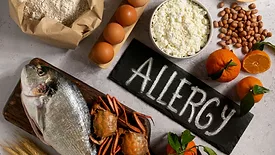
During the 49th Meeting of the Codex Committee on Food Labeling (CCFL49), guidelines on risk-based precautionary allergen labeling, labeling for multipack foods, and emergency flexible labeling were recommended for adoption. CCFL also declined a proposal to initiate work related to ultra-processed foods.
FSANZ is accepting public comments on the proposed Health Star Rating, which is an interpretive front-of-pack nutrition labeling tool that summarizes a food’s overall nutritional profile using a simple star rating.
The bipartisan bill would prohibit the sale of “mislabeled” alternative protein products, requiring such products to bear “accurate” labels that clearly differentiate them from conventional meat and poultry.
New Mexico has published a final rule enforcing the New Mexico PFAS Protection Act, outlining a staggered prohibition on the sale of products containing intentionally added PFAS, and describing a PFAS warning label for products still containing the chemicals.
Among other provisions, the Food Labeling Modernization Act would set conditions for the use of the terms “natural” and “healthy,” expedite the creation of a front-of-pack nutrition labeling system, and improve ingredient list readability.