Food Safety
search
Ask Food Safety AI
cart
facebook twitter linkedin instagram youtube
  • Sign In
  • Create Account
  • Sign Out
  • My Account
Food Safety
  • NEWS
    • Latest News
    • Sponsored Insights
    • Sponsored White Papers
  • PRODUCTS
  • TOPICS
    • Contamination Control
    • Food Types
    • Management
    • Process Control
    • Regulatory
    • Sanitation
    • Supply Chain
    • Testing and Analysis
  • PODCAST
  • EXCLUSIVES
    • Food Safety Five Newsreel
    • eBooks
    • FSM Distinguished Service Award
    • Interactive Product Spotlights
    • Videos
  • BUYER'S GUIDE
  • MORE
    • NEWSLETTERS >
      • Archive Issues
      • Subscribe to eNews
    • Store
    • ASK FSM AI
  • WEBINARS
  • FOOD SAFETY SUMMIT
  • EMAG
    • eMagazine
    • Archive Issues
    • Editorial Advisory Board
    • Contact
    • Advertise
  • SIGN UP!
NewsContamination ControlRegulatoryChemical ControlFDA

FDA Requests Authorities, Funding for Systematic Reassessment of Chemical Food Additives
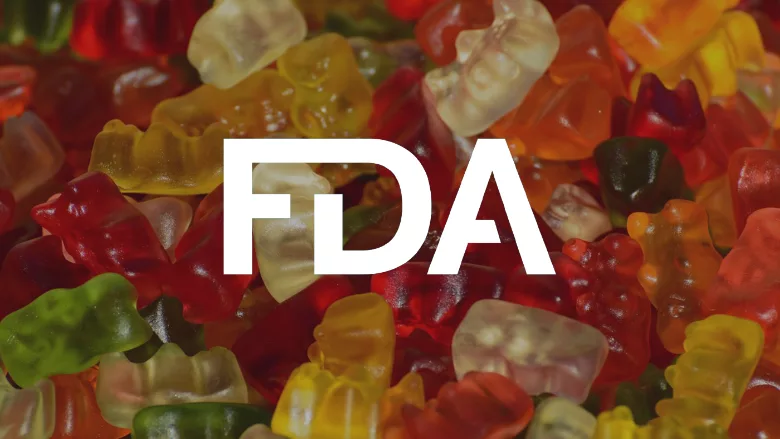
gummy bears with an FDA logo overlay

Image credit: Alexas_Fotos via Pixabay

May 30, 2023

The U.S. Food and Drug Administration (FDA) is working toward conducting a modernized, systematic reassessment of chemicals added to foods with a focus on post-market review, explain top agency officials in a recent article. In order to execute this new, data-informed and risk-based approach, however, FDA requires greater funding and additional authorities.

FDA has also outlined an enhanced approach to regulating food chemical safety, in which a new framework for systematic post-market chemical reassessment is included.

The article, written by FDA Commissioner of Food and Drugs Robert M. Califf, M.D. and Director of Center for Food Safety and Applied Nutrition (CFSAN) Susan Mayne, Ph.D., was published amidst discussions in California legislature about a bill that would ban the sale of processed foods in the state containing red dye 3, titanium dioxide, potassium bromate, brominated vegetable oil, or propyl paraben. California Assembly member Jesse Gabriel, who introduced the bill, raised an issue with FDA’s use of Generally Recognized as Safe (GRAS) determinations and the fact that many chemical food additives have never been independently evaluated by FDA or were last reviewed decades ago.

Related to Assembly member Gabriel’s concerns, in the FDA article, Dr. Califf stated that chemicals added to food must typically be authorized for use as a food or color additive before they may be used in food, although some are determined GRAS by qualified experts or have a prior sanction from FDA or the U.S. Department of Agriculture (USDA).

Additionally, at present, there are two ways FDA reviews chemicals used as food ingredients or food-contact substances after entering the market:

  1. Through data and information submitted through petitions or notifications, such as those currently under review requesting FDA revoke regulations on titanium dioxide and red dye 3 uses in food and drugs
  2. As part of the agency’s own initiative in overseeing the food supply, for example, evidence of the toxicity of per- and polyfluoroalkyl substances (PFAS) leading to revoking their authorizations or working with manufacturers to phase them out, or the ongoing reassessment of the safety of brominated vegetable oil.

Most chemical reassessment activity is done through FDA premarket programs as uses and industry changes warrant resubmission, or in response to stakeholder petitions, which usually take priority over non-emergency, agency-initiated activities.

However, FDA is working to develop new approaches to mine existing data more efficiently and prioritize substances for in-depth review based on risk. To be successful in a risk-based post-market review, the letter stresses that FDA requires greater funding to establish a framework for routine systematic review of chemicals through ongoing monitoring after entering the market, as well as to hire new staff. Additionally, the letter advocates for additional authorities to require industry to share new data and information, and asks for support from consumer advocacy groups, regulated industry, and U.S. Congress.

The proposed framework for systematic post-market chemical reassessment aligns with FDA’s work to create a stronger, unified Human Foods Program. The agency states it will publish information and engage stakeholders on the topic of post-market reassessment, including opportunities for public comment and other stakeholder feedback about the framework through public meetings, webinars, and other engagements. FDA will share more about its plans in the coming months.

Looking for quick answers on food safety topics?
Try Ask FSM, our new smart AI search tool.
Ask FSM →


KEYWORDS: chemical safety chemicals FDA generally recognized as safe

Share This Story

Recommended Content

JOIN TODAY
to unlock your recommendations.

Already have an account? Sign In

  • people holding baby chicks

    Serovar Differences Matter: Utility of Deep Serotyping in Broiler Production and Processing

    This article discusses the significance of Salmonella in...
    Methods
    By: Nikki Shariat Ph.D.
  • woman washing hands

    Building a Culture of Hygiene in the Food Processing Plant

    Everyone entering a food processing facility needs to...
    Facilities
    By: Richard F. Stier, M.S.
  • graphical representation of earth over dirt

    Climate Change and Emerging Risks to Food Safety: Building Climate Resilience

    This article examines the multifaceted threats to food...
    Management
    By: Shamini Albert Raj M.A. and Maria Cristina Tirado Ph.D., D.V.M.
Manage My Account
  • eMagazine Subscription
  • Subscribe to Newsletters
  • Manage My Preferences
  • Website Registration
  • Subscription Customer Service

More Videos

Sponsored Content

Sponsored Content is a special paid section where industry companies provide high quality, objective, non-commercial content around topics of interest to the Food Safety Magazine audience. All Sponsored Content is supplied by the advertising company and any opinions expressed in this article are those of the author and not necessarily reflect the views of Food Safety Magazine or its parent company, BNP Media. Interested in participating in our Sponsored Content section? Contact your local rep!

close
  • an automated industrial production line used in a modern food factory
    Sponsored byIFC

    A Formula for Food Processing Pest Management

  • fly
    Sponsored byOrkin Commercial

    Fly Control in Food Processing Facilities: Managing Seasonal Food Safety Risks

  • Darkling Beetle
    Sponsored byElanco Animal Health

    Integrated Pest Management: Protecting Poultry Operations as Seasons Change

Popular Stories

Cyclospora cayetanensis oocysts

Foodborne Parasite Cyclospora Sickens Thousands Across U.S.

Cyclospora cayetanensis oocyst

Cyclospora Cases Climb, But Actual Number Unclear as CDC Reporting Lags Behind States

UN building in geneva

Codex Publishes Strategic Plan for 2026–2031

building a skilled workforce ebook

Events

July 21, 2026

Using AI Responsibly in Food Safety Management Systems

Live: July 21, 2026 at 2:00 pm EDT: This webinar will provide participants with guidance on how to effectively use generative artificial intelligence (AI) tools to develop key components of a food safety management system (FSMS).

August 6, 2026

Beyond Sanitation: Understanding the Hidden System Conditions That Allow Pathogens to Persist

Live: August 6, 2026 at 2:00 pm EDT: Attend this webinar to learn strategies for strengthening environmental control programs through a layered approach to pathogen management.

August 11, 2026

Beyond Sanitization: Reducing Contamination Risk Without Raising Operating Cost

Live: August 11, 2026 at 2:00 pm EDT: Attend this webinar to learn why ambient air is the largest and most overlooked contamination zone in food processing, and what it costs you between scheduled cleans.

View All

Products

Global Food Safety Microbial Interventions and Molecular Advancements

Global Food Safety Microbial Interventions and Molecular Advancements

See More Products

Related Articles

  • powdered sugar donut

    Following California’s Example, New York State Bill Would Ban Five Most “Pervasive and Harmful” Chemical Food Additives

    See More
  • nutrition label

    New Bill Would Overhaul FDA's Process For Determining the Safety of Food Additives

    See More
  • Packaging Strategies Packaging News

    Advocates challenge FDA allowance of toxic chemical in food

    See More

Related Products

See More Products
  • 1119053595.jpg

    Food Safety for the 21st Century: Managing HACCP and Food Safety throughout the Global Supply Chain, 2E

  • 9781498721776.jpg

    Handbook of Food Processing: Food Safety, Quality, and Manufacturing Processes

  • 1119160553.jpg

    Food Safety: Innovative Analytical Tools for Safety Assessment

See More Products

Events

View AllSubmit An Event
  • August 12, 2025

    Systematic Approach to Hazard Analysis: Considering Product- and Process-Specific Risks

    On Demand: From this webinar, attendees will learn where and why hazard analysis can fail, especially for high-risk products like leafy greens and meat/poultry.
  • March 3, 2026

    FDA/USDA Regulatory Updates: Food Safety Work Plans for 2026

    On Demand: In this high-level, exclusive webinar, FDA Deputy Commissioner for Human Foods Kyle Diamantas and USDA Under Secretary for Food Safety Mindy Brashears, Ph.D. will share their agencies' regulatory priorities and work plans for 2026 and beyond.
View AllSubmit An Event

Related Directories

  • Institute for Food Safety and Health (IFSH) - Illinois Tech

    IFSH is a one-of-a-kind applied food science research consortium comprised of the Illinois Tech, the U.S. FDA, and the food industry. In collaboration with the FDA, we provide stakeholders with the opportunity to develop and exchange knowledge, experience, and expertise in the areas of food safety, food defense, and nutrition.
  • North American Chemical Residue Workshop

    NACRW) formerly the Florida Pesticide Residue Workshop conducts an annual meeting for scientists particularly interested in trace level analysis of pesticides, veterinary drug residues, and other chemicals in food, animal feed, and environmental samples. The purpose of the meeting is to provide training, develop and improve technical knowledge, facilitate development and distribution of new analysis methods and techniques, and establish networking to promote professional cooperation between scientists of these interests.
×

Never miss the latest news and trends driving the food safety industry

Newsletters | Website | eMagazine

JOIN TODAY!
  • RESOURCES
    • Advertise
    • Contact Us
    • Directories
    • Store
    • Want More
  • SIGN UP TODAY
    • Create Account
    • eMagazine
    • Newsletters
    • Customer Service
    • Manage Preferences
  • SERVICES
    • Marketing Services
    • Reprints
    • Market Research
    • List Rental
    • Survey/Respondent Access
  • STAY CONNECTED
    • LinkedIn
    • Facebook
    • Instagram
    • X (Twitter)
  • PRIVACY
    • PRIVACY POLICY
    • TERMS & CONDITIONS
    • DO NOT SELL MY PERSONAL INFORMATION
    • PRIVACY REQUEST
    • ACCESSIBILITY

Copyright ©2026. All Rights Reserved BNP Media, Inc. and BNP Media II, LLC.

Design, CMS, Hosting & Web Development :: ePublishing