Bipartisan Bill Aims to Ban U.S. Paraquat Use, Citing Parkinson’s Concerns
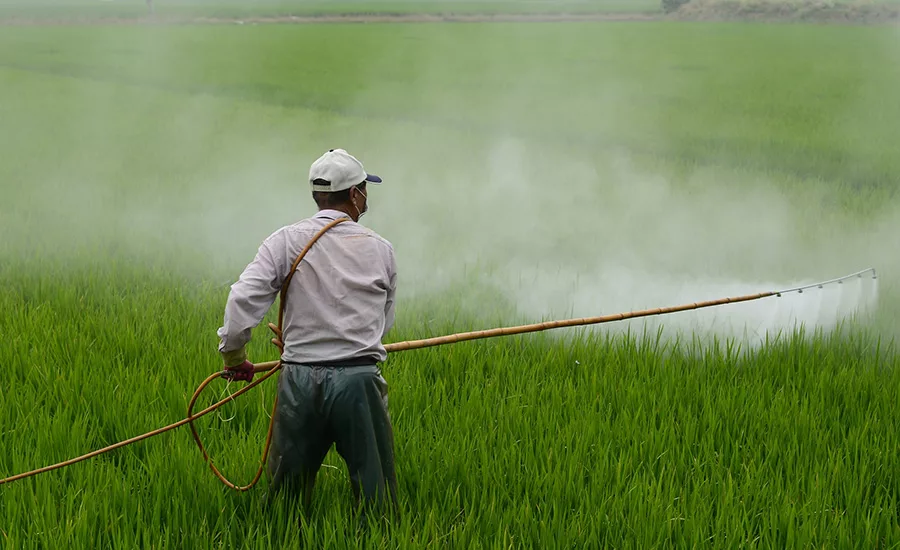
Congresswoman Chellie Pingree (D-Maine) and Congresswoman Anna Paulina Luna (R-Florida) have introduced the Paraquat Prevention Act, a bill that would cancel all registered uses of the herbicide paraquat under the Federal Insecticide, Fungicide, and Rodenticide Act (FIFRA) and permanently prohibit its reregistration.
In their reasoning for the bill, Congresswomen Pingree and Luna cited paraquat bans in more than 70 countries, including the EU and China, and pointed to evidence of the chemical’s links to neurological harms and Parkinson’s disease. They also mentioned a recent paraquat ban passed in Vermont.
The U.S. Environmental Protection Agency (EPA) has been reviewing the safety of paraquat since 2022. The Paraquat Prevention Act would direct EPA to cancel all existing paraquat registrations, revoke any tolerances permitting paraquat residue in food, and ban the sale and use of existing stocks upon enactment.
Countries Ban Paraquat Considering Evidence of its Harms
According to the congresswomen, studies from the U.S. National Institutes of Health (NIH) have found that individuals exposed to paraquat face a significantly elevated risk of developing Parkinson’s disease, with laboratory research suggesting damage to the dopaminergic neurons as the mechanism of action.
Considering the science, the EU banned paraquat in 2007, and more than 70 countries have since followed.
In 2016, China banned the domestic use of paraquat in the interest of protecting public health while continuing to export the majority of its production. According to the congresswomen, China exports approximately 78 million pounds of the chemical to U.S. ports in a single year.
The U.S. remains one of the few developed nations that still permits paraquat use.
Looking for quick answers on food safety topics?
Try Ask FSM, our new smart AI search tool.
Ask FSM →
Another Bill Pending to Undo Trump Glyphosate Executive Order
Earlier this year, Congresswoman Pingree also introduced the No Immunity for Glyphosate Act alongside Representative Thomas Massie (R-Kentucky). This bill aims to undo President Trump’s February 2026 Executive Order, which declares that maintaining an adequate supply of glyphosate-based herbicides is a matter of national defense, directing the U.S. Secretary of Agriculture to prioritize its production.
Glyphosate—commonly known as the active ingredient in the controversial herbicide RoundUp—has been the subject of mounting litigation and increasing scrutiny about its potential link to non-Hodgkin’s lymphoma.