Food Safety
search
Ask Food Safety AI
cart
facebook twitter linkedin instagram youtube
  • Sign In
  • Create Account
  • Sign Out
  • My Account
Food Safety
  • NEWS
    • Latest News
    • White Papers
  • PRODUCTS
  • TOPICS
    • Contamination Control
    • Food Types
    • Management
    • Process Control
    • Regulatory
    • Sanitation
    • Supply Chain
    • Testing and Analysis
  • PODCAST
  • EXCLUSIVES
    • Food Safety Five Newsreel
    • eBooks
    • FSM Distinguished Service Award
    • Interactive Product Spotlights
    • Videos
  • BUYER'S GUIDE
  • MORE
    • NEWSLETTERS >
      • Archive Issues
      • Subscribe to eNews
    • Store
    • Sponsor Insights
    • ASK FSM AI
  • WEBINARS
  • FOOD SAFETY SUMMIT
  • EMAG
    • eMagazine
    • Archive Issues
    • Editorial Advisory Board
    • Contact
    • Advertise
  • SIGN UP!
RegulatoryAudits/Certification/GFSI

Proactive Food Safety Management Needs to be a Strategic Business Priority
By Elizabeth Andoh-Kesson
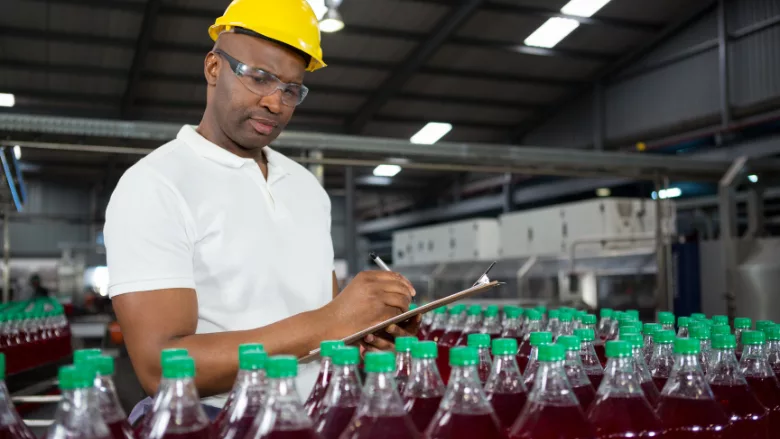
auditor with clipboard examining juice bottles in warehouse factory
Image credit: wavebreakmedia_micro via Magnific
May 19, 2026

When food safety events strike, they hit fast and hard. Recalls, lost product, legal liability, brand erosion, and shattered consumer trust can cost companies millions in direct and indirect losses, with product recalls alone costing an average of $10 million.1 The wider economic and social burden of this is also huge, adding up to £10.4 billion per year in the UK2 and a staggering $75 billion1 in the US. 

Every business in the food industry will pause to consider its own operations whenever a food safety crisis occurs. Yet it should not take people falling sick to get food safety on the agenda. It needs to be a strategic business priority, not a compliance exercise.

The risk environment is shifting in ways that demand more proactivity. As temperatures rise, bacteria such as Salmonella and E. coli grow faster and survive longer. Heat, drought, and flooding increase harmful mycotoxins (toxic fungal metabolites) in grains, nuts, and fruits, while heavy rains and floods can wash pesticides, fertilizers, and industrial pollutants into crops and water used for food.

Among new and emerging risks, viruses, toxins, and parasites—once typically localized—are now persisting across much wider geographic areas, affecting larger, previously unexposed populations. Climate change allows these pathogens to thrive in new regions, resulting in outbreaks linked to domestic food supplies rather than travel. Additionally, extreme weather can cause more frequent damage to storage and transport, leading to increased spoilage.

Climate impacts such as crop failures will make some ingredients harder to obtain, leading to potential supply chain fraud. Gray- or black-market suppliers may have substandard equipment or inadequate cleaning protocols and may introduce undeclared ingredients or allergens to meet demand. The consequences of allergen contamination can be catastrophic.

Considering these growing risks, it is critical that businesses move away from a reactive position to operations that proactively anticipate and prevent hazards across the supply chain. Aligning with global food safety standards is central to this shift, helping companies manage risk more consistently while improving operational efficiency.

Global benchmarking of food safety standards, such as those recognized through the Consumer Goods Forum's Global Food Safety Initiative (GFSI), allows companies to work toward a common set of requirements across markets. This approach supports greater consistency in food safety practices and helps reduce fragmentation across regulatory and supplier environments. For companies operating in multiple regions, this means fewer duplicated audits, saving time and operational costs across global supplier networks. It also enables streamlined compliance management, which frees up resources for innovation and growth.

Looking for quick answers on food safety topics?
Try Ask FSM, our new smart AI search tool.
Ask FSM →

In short, less time spent on administrative burdens means more time for high-value business functions. In an era where a single incident can trigger massive reputational damage, companies with robust, independently verified safety systems are not just hedging against downside risk; they are building a commercial asset. Consumer confidence, retailer relationships, and the ability to command a price premium all track back, in part, to the credibility of a brand's safety record.

Prevention is cheaper than managing the fallout of a safety failure. Companies that demonstrate strong, proactive food safety management are better positioned to maintain trust, protect their reputation, and secure long‑term commercial resilience. Most importantly, aligning with globally recognized standards offers food businesses reassurance that they are taking meaningful action to prevent potentially devastating food safety crises. Because it is not just about protecting businesses; it is about protecting lives, too.

References

  1. Spectacular Labs. "The Real Cost of Unsafe Food: Illness, Recalls & Brand Damage." https://www.spectacularlabs.com/resources/real-cost-of-unsafe-food.
  2. Sudworth, R. "Foodborne Disease Policy Overview." UK Food Standards Agency (FSA). FSA 24-03-06. Updated March 7, 2024. https://www.food.gov.uk/board-papers/foodborne-disease-policy-overview#:~:text=2.5.,is%20available%20in%20Annex%20A. 

KEYWORDS: benchmarks GFSI

Share This Story

Elizabeth Andoh-Kesson is the Interim Director of the Global Food Safety Initiative (GFSI), where she leads global efforts to strengthen food safety systems and foster collaboration across the international food industry. With a strong background in food policy and food safety regulation, she brings extensive experience in advancing best practice to drive progress in enhancing food safety across the globe.

Recommended Content

JOIN TODAY
to unlock your recommendations.

Already have an account? Sign In

  • people holding baby chicks

    Serovar Differences Matter: Utility of Deep Serotyping in Broiler Production and Processing

    This article discusses the significance of Salmonella in...
    Microbiological Control
    By: Nikki Shariat Ph.D.
  • woman washing hands

    Building a Culture of Hygiene in the Food Processing Plant

    Everyone entering a food processing facility needs to...
    Training
    By: Richard F. Stier, M.S.
  • graphical representation of earth over dirt

    Climate Change and Emerging Risks to Food Safety: Building Climate Resilience

    This article examines the multifaceted threats to food...
    Risk Assessment
    By: Maria Cristina Tirado Ph.D., D.V.M. and Shamini Albert Raj M.A.
Manage My Account
  • eMagazine Subscription
  • Subscribe to Newsletters
  • Manage My Preferences
  • Website Registration
  • Subscription Customer Service

More Videos

Sponsored Content

Sponsored Content is a special paid section where industry companies provide high quality, objective, non-commercial content around topics of interest to the Food Safety Magazine audience. All Sponsored Content is supplied by the advertising company and any opinions expressed in this article are those of the author and not necessarily reflect the views of Food Safety Magazine or its parent company, BNP Media. Interested in participating in our Sponsored Content section? Contact your local rep!

close
  • the use of dual-energy X-ray food inspection technology to identify foreign contaminants.
    Sponsored byEagle by METTLER TOLEDO

    Precision Inspection Starts with the Right X-ray Detector

  • This image depicts a worker cleaning stainless steel machinery in a food processing plant
    Sponsored byCintas

    Employee Uniforms: A Frontline Defense Against Food Contamination

  • This image depicts a healthcare professional managing a large volume of paperwork and transitioning to a digital workflow.
    Sponsored bySafetyChain

    The Invisible Plant Tax Starts with Your Records

Popular Stories

Don Prater at the 2026 Food Safety Summit

Donald Prater Becomes New Head of FDA Human Foods Program

town hall panelists on stage at the 2026 food safety summit

Top U.S. Food Safety Officials Discuss Regulatory Landscape at Food Safety Summit

digital 3d rendering of a biofilm

Plasma-Activated Mist Shows Promise for Biofilm Removal in Food Facilities


Events

May 28, 2026

Advanced Sanitation Strategies for Allergen Risk Reduction in Food Processing

Live: May 28, 2026, at 2:00 pm EDT: From this webinar, attendees will learn why validation and verification are necessary for allergen control, and how analytical tools can support allergen management programs.

June 3, 2026

How to Build a Better Food Safety Training Program

Live: June 3, 2026 at 2:00 pm EDT: Join this webinar to learn how AI is impacting food safety training, and how you can leverage AI in your programs.

June 4, 2026

Building a Stronger Food Safety Program in a Changing GFSI Landscape

Live: June 4, 2026 at 11:00 am EDT: Attend this webinar to understand how GFSI requirements are evolving and what those changes signal for quality programs at food and beverage facilities.

View All

Products

Global Food Safety Microbial Interventions and Molecular Advancements

Global Food Safety Microbial Interventions and Molecular Advancements

See More Products

Related Articles

  • Food Safety Matters

    Ep. 104. Bonnie McClafferty: Food Safety Needs to Be a Business Model

    See More
  • cooked crayfish

    Why Food Safety, Like Workplace Health and Safety, Must Be a Business Priority

    See More
  • waitress handing the bill to the customer

    Building Loyalty Through Safety: Enhancing Allergen Management Programs as a Strategic Business Opportunity

    See More

Related Products

See More Products
  • 9781138198463.jpg

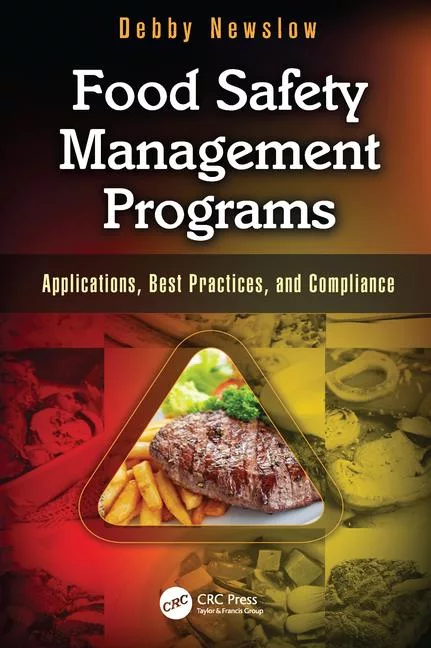
    Food Safety Management Programs: Applications, Best Practices, and Compliance

  • 1119237963.jpg

    Food Safety in China: Science, Technology, Management and Regulation

  • 9781032369990 (1).webp

    Food Safety Quality Control and Management

See More Products

Events

View AllSubmit An Event
  • August 7, 2025

    Achieve Active Managerial Control of Major Risk Factors Using a Food Safety Management System

    On Demand: From this webinar, attendees will learn about changes to the FDA Food Code, which now includes a requirement for FSMS. 
View AllSubmit An Event

Related Directories

  • FoodBusiness ERP

    Designed for food and beverage manufacturing companies, FoodBusiness ERP is built in Sage X3 to provide a unified platform that is configured by NexTec industry experts who deliver a complete food and beverage manufacturing business solution. FoodBusiness ERP was developed from years of industry experience incorporating best practices from food and beverage manufacturers and industry leaders across North America.
×

Never miss the latest news and trends driving the food safety industry

Newsletters | Website | eMagazine

JOIN TODAY!
  • RESOURCES
    • Advertise
    • Contact Us
    • Directories
    • Store
    • Want More
  • SIGN UP TODAY
    • Create Account
    • eMagazine
    • Newsletters
    • Customer Service
    • Manage Preferences
  • SERVICES
    • Marketing Services
    • Reprints
    • Market Research
    • List Rental
    • Survey/Respondent Access
  • STAY CONNECTED
    • LinkedIn
    • Facebook
    • Instagram
    • X (Twitter)
  • PRIVACY
    • PRIVACY POLICY
    • TERMS & CONDITIONS
    • DO NOT SELL MY PERSONAL INFORMATION
    • PRIVACY REQUEST
    • ACCESSIBILITY

Copyright ©2026. All Rights Reserved BNP Media, Inc. and BNP Media II, LLC.

Design, CMS, Hosting & Web Development :: ePublishing