Researchers Say Hygienic Housing, Low-Stress Transport are Key to Mitigating E. coli Spread Among Cattle
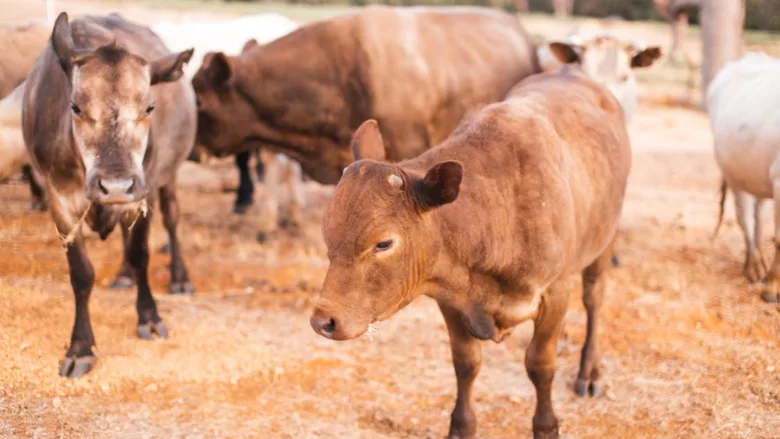
The treatment of cattle by farmers prior to processing is an important factor in reducing the spread of foodborne pathogens, according to an analysis conducted by the University of Georgia (UGA) and funded by the National Cattlemen’s Beef Association. The goal of the project was to compile and communicate the available science on pathogen control best practices to help real-world cattle producers make informed decisions.
The literature review examined interventions across the beef production chain that could help reduce the presence of Shiga toxin-producing Escherichia coli (STEC) in cattle prior to harvest and processing. Key management practices that help reduce intra-herd pathogen spread identified by the UGA researchers include:
- Housing pens: The use of proper bedding materials (e.g., sand) in pens and regular pen cleaning, addressing factors that help bacteria proliferate like manure, soil, and animal waste
- Crowd control: Maintaining appropriate animal density and segregation, especially among calves which are more susceptible to STEC and shed the bacteria more frequently
- Transport: Adequately cleaning trailers used for transport and shortening trip distances to minimize animal stress
- Feed and water: Because water troughs were identified as a significant vehicle for pathogen transmission—with studies finding E. coli O157:H7 contamination in as many as one-fourth of farm water samples—the researchers recommended increasing the frequency of trough cleaning to promote bacteria die-off
- Vaccination: One of the most effective tools for controlling STEC in cattle identified by the researchers is the administration of vaccines that target bacterial proteins to reduce fecal shedding rates
- Feed additives: Feed and water additives that target the gut microbiome can be a useful tool for controlling STEC, although they must be administered prudently, as eliminating any one type of bacteria from the gut can create an opportunity for potentially more harmful bacteria to take its place
- Hide washing: Washing the animal’s hide just prior to processing can reduce carcass contamination.
Importantly, the researchers stress that a multi-hurdle approach to pathogen control—encompassing environmental, dietary, and animal treatment strategies—is key.
The project was led by UGA’s Todd Callaway, Ph.D., Professor in the Department of Animal and Dairy Science and courtesy faculty member in the UGA Center for Food Safety.
“This analysis brings together all the threads of science in one place that producers can use to make decisions,” Dr. Callaway remarked. “Keeping this scientific knowledge accessible to non-scientists is critical to finding real-world solutions.”
Looking for quick answers on food safety topics?
Try Ask FSM, our new smart AI search tool.
Ask FSM →