Based on a review of foodborne illness outbreaks linked to sauces and other literature, University of Georgia’s Center for Food Safety researchers underscored pathogenic bacteria as the primary public health concern, while also highlighting spoilage microorganisms and the comparatively understudied risk posed by foodborne parasites.
In carrot puree, a low-acid matrix, heat plus pressure achieved significant spore reductions, while cationic antimicrobials enhanced sporicidal effects and prevented regrowth. The hurdle approach offers a potential alternative to conventional thermal processing at severe temperatures, which can degrade food quality.
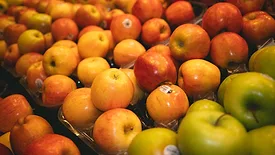
Studies funded by the Center for Produce Safety (CPS) are investigating ways to improve produce packinghouse brush sanitation, including the use of antimicrobial light and choosing the best time to replace brushes.
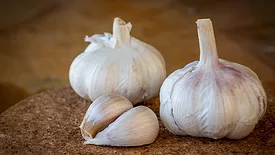
Garlic carries a distinct bacterial signature reflective of the soil in which it was grown, enabling geographic identification based on microbial composition. A novel method using microbiome data and AI analysis potentially offers a low-cost authentication technique.
A two-year study of Southeastern U.S. watersheds confirmed that surface water harbors complex, clinically relevant Salmonella populations that differ from food animal datasets—revealing critical gaps in understanding environmental Salmonella transmission and the need for robust One Health surveillance systems.
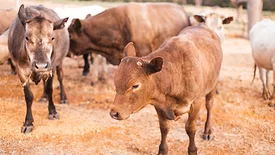
University of Georgia researchers conducted a review to compile and communicate best practices for reducing the spread of foodborne pathogens among beef cattle herds prior to processing, with a focus on Shiga toxin-producing Escherichia coli.
A recently completed study funded by the Center for Produce Safety (CPS) has provided new insights into Listeria monocytogenes growth, survival, and inactivation on pears during packing and in storage, and characterized microbial communities of yeasts, molds, and lactic acid bacteria.
A new study led by the University of Georgia’s Center for Food Safety has confirmed that imported seafood carries colistin resistance genes that are capable of transfer, posing the risk of this resistance gene spreading via the U.S. food supply.
A study from the University of Georgia’s Center for Food Safety suggests a synergistic effect between antimicrobial blue light treatment and low concentrations of sanitizers commonly used in industry, finding enhanced inactivation of Listeria monocytogenes on food contact surfaces.
Funded by the Center for Produce Safety, a University of Georgia researcher is leveraging cutting-edge technology to improve the standard method for detection of viruses on foods, and then will use the method to study infectious norovirus persistence on berries.