Food Safety
search
Ask Food Safety AI
cart
facebook twitter linkedin instagram youtube
  • Sign In
  • Create Account
  • Sign Out
  • My Account
Food Safety
  • NEWS
    • Latest News
    • White Papers
  • PRODUCTS
  • TOPICS
    • Contamination Control
    • Food Types
    • Management
    • Process Control
    • Regulatory
    • Sanitation
    • Supply Chain
    • Testing and Analysis
  • PODCAST
  • EXCLUSIVES
    • Food Safety Five Newsreel
    • eBooks
    • FSM Distinguished Service Award
    • Interactive Product Spotlights
    • Videos
  • BUYER'S GUIDE
  • MORE
    • NEWSLETTERS >
      • Archive Issues
      • Subscribe to eNews
    • Store
    • Sponsor Insights
    • ASK FSM AI
  • WEBINARS
  • FOOD SAFETY SUMMIT
  • EMAG
    • eMagazine
    • Archive Issues
    • Editorial Advisory Board
    • Contact
    • Advertise
  • SIGN UP!
NewsContamination ControlFood TypeRegulatoryChemicalIngredientsFDA

FDA Reminds Industry That Psychoactive Amanita muscaria Mushroom is Not Approved for Food Use

By Food Safety Magazine Editorial Team
Amanita muscaria

Image credit: wirestock via Freepik

December 20, 2024

After 180 people were sickened and three people died from eating mushroom-based chocolates and candy edibles sold at retail locations across the country earlier in 2024, the U.S. Food and Drug Administration (FDA) has informed industry that the mushroom Amanita muscaria is not authorized for use as an ingredient in conventional food.

A. muscaria, commonly known as the fly agaric or fly amanita, is a mushroom that has psychotropic effects, but can also cause poisoning. A. muscaria and its constituents have been used in foods intended to have hallucinogenic effects, sometimes marketed as “psychedelic edibles,” “legal psychedelics,” or “mushroom edibles.” After reviewing the available information about A. muscaria, its extracts, and its constituents (muscimol, ibotenic acid, and muscarine), FDA concluded that they do not meet the safety standard for use in food and that their use as food ingredients may be harmful.

FDA determined that the use of this ingredient and its constituents do not meet the “Generally Recognized as Safe” (GRAS) standard, and that they are unapproved food additives. The agency included its assessment in a memorandum added to the "Post-Market Determinations That the Use of a Substance is Not GRAS" inventory.

FDA chose to assess the use of A. muscaria and its constituents in food because of new information about its safety profile, including adverse event reports, news reports, and inquiries from state and local regulators about the regulatory status and safety of the ingredient.

In June 2024, FDA and the U.S. Centers for disease Control and Prevention (CDC) announced a food poisoning outbreak linked to Diamond Shruumz-brand chocolate and candies involving seizures and other severe symptoms. By the time the investigation of the outbreak closed in October, a total of 180 illnesses had been reported in 34 states, resulting in 73 hospitalizations and three potentially associated deaths. FDA testing of Diamond Shruumz products revealed the presence of multiple substances, including muscimol and ibotenic acid. Muscimol was found in nine chocolate bar samples and four infused cone samples, but was not listed as an ingredient in all products. Ibotenic acid and muscimol were detected in a raw ingredient used in the manufacturing of some Diamond Shruumz products.

Looking for quick answers on food safety topics?
Try Ask FSM, our new smart AI search tool.
Ask FSM →


KEYWORDS: edibles generally recognized as safe mushrooms

Share This Story

Fsm purple logo 200x200

The Food Safety Magazine editorial team comprises Bailee Henderson, Digital Editor ✉ and Adrienne Blume, M.A., Editorial Director.

Recommended Content

JOIN TODAY
to unlock your recommendations.

Already have an account? Sign In

  • people holding baby chicks

    Serovar Differences Matter: Utility of Deep Serotyping in Broiler Production and Processing

    This article discusses the significance of Salmonella in...
    Testing & Analysis
    By: Nikki Shariat Ph.D.
  • woman washing hands

    Building a Culture of Hygiene in the Food Processing Plant

    Everyone entering a food processing facility needs to...
    Training
    By: Richard F. Stier, M.S.
  • graphical representation of earth over dirt

    Climate Change and Emerging Risks to Food Safety: Building Climate Resilience

    This article examines the multifaceted threats to food...
    Contamination Control
    By: Maria Cristina Tirado Ph.D., D.V.M. and Shamini Albert Raj M.A.
Manage My Account
  • eMagazine Subscription
  • Subscribe to Newsletters
  • Manage My Preferences
  • Website Registration
  • Subscription Customer Service

More Videos

Sponsored Content

Sponsored Content is a special paid section where industry companies provide high quality, objective, non-commercial content around topics of interest to the Food Safety Magazine audience. All Sponsored Content is supplied by the advertising company and any opinions expressed in this article are those of the author and not necessarily reflect the views of Food Safety Magazine or its parent company, BNP Media. Interested in participating in our Sponsored Content section? Contact your local rep!

close
  • This image displays a multi-stage water filtration system designed to remove contaminants from drinking water.
    Sponsored byWaterdrop Filter

    The 4.0 ppt Era: Future-Proofing Your Food Supply Chain Against "Forever Chemicals"

  • The image displays a bottling plant production line, commonly used in the beverage industry for filling and packaging soft drinks.
    Sponsored byBIOIONIX

    Sustainability with ROI: A Beverage Producer Case Study in Water Savings

  • factory
    Sponsored byIFC

    A Clean Break to Reset the Environment with Chlorine Dioxide

Popular Stories

workers and inspector in processing facility

Gearing Up for an FDA Inspection

formula powder

ByHeart Infant Formula Botulism Outbreak Ends with Extensive WGS Evidence, but Root Cause Remains Unidentified

grocery shopper examining label on a can

EU Considers Adoption of Harmonized Precautionary Allergen Labeling Rules

Events

March 26, 2026

Continuous Pathogen Control: Enhancing Sanitation and Environmental Monitoring in Food Processing

Live: March 26, 2026, at 2:00 pm EST: This session explores the role of continuous airborne pathogen control technology in supporting sanitation and environmental monitoring programs within food processing environments.

March 31, 2026

Regulatory Risk, Ingredient Safety, and GRAS: What Companies Need to Act on Now

Live: March 31, 2026, at 11:00 am EDT: From this webinar, attendees will recognize patterns in food policy affecting dietary guidelines, UPFs, state legislative actions, and expected GRAS reform.

April 8, 2026

Foreign Material Contamination: Why In-Line Reinspection Isn't Enough

Live: April 8, 2026, at 11:00 am EDT: From this webinar, attendees will learn why re-inspecting with in-line equipment is not sufficient when it comes to potential foreign material contamination.

View All

Products

Global Food Safety Microbial Interventions and Molecular Advancements

Global Food Safety Microbial Interventions and Molecular Advancements

See More Products

Related Articles

  • birds eye view of cup of coffee against beige background

    EPA Bans Commercial Uses of Methylene Chloride, but Chemical is Still Approved for Use in Food

    See More
  • FDA Reminds Industry of Best Practices in Response to Food Product Tampering in Retail Grocery Stores

    See More
  • NRFSP Approved to Use Innovative Exams LLC’s Secure Testing Kiosk for Food Safety Exam

    See More

Related Products

See More Products
  • 1119053595.jpg

    Food Safety for the 21st Century: Managing HACCP and Food Safety throughout the Global Supply Chain, 2E

  • 1118396308.jpg

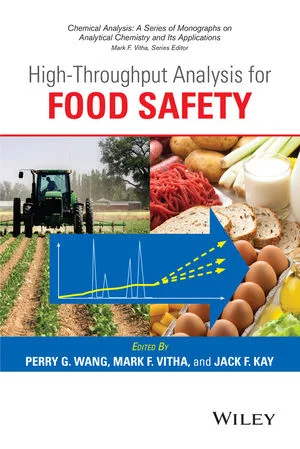
    High Throughput Analysis for Food Safety

  • 1119160553.jpg

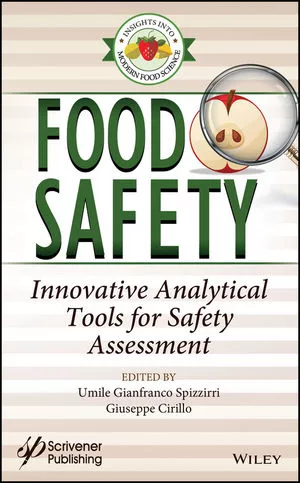
    Food Safety: Innovative Analytical Tools for Safety Assessment

See More Products

Related Directories

  • Fayette Industrial

    At Fayette, we understand that cleanliness in your meat, poultry, pork, or ready-to-eat facility isn't just about passing inspections—it's about protecting your entire business. Our specialized contract sanitation services are tailored to your specific processing environment with rigorous pathogen prevention protocols and audit preparation that exceed regulatory standards.
×

Never miss the latest news and trends driving the food safety industry

Newsletters | Website | eMagazine

JOIN TODAY!
  • RESOURCES
    • Advertise
    • Contact Us
    • Directories
    • Store
    • Want More
  • SIGN UP TODAY
    • Create Account
    • eMagazine
    • Newsletters
    • Customer Service
    • Manage Preferences
  • SERVICES
    • Marketing Services
    • Reprints
    • Market Research
    • List Rental
    • Survey/Respondent Access
  • STAY CONNECTED
    • LinkedIn
    • Facebook
    • Instagram
    • X (Twitter)
  • PRIVACY
    • PRIVACY POLICY
    • TERMS & CONDITIONS
    • DO NOT SELL MY PERSONAL INFORMATION
    • PRIVACY REQUEST
    • ACCESSIBILITY

Copyright ©2026. All Rights Reserved BNP Media.

Design, CMS, Hosting & Web Development :: ePublishing