Food Safety
search
Ask Food Safety AI
cart
facebook twitter linkedin instagram youtube
  • Sign In
  • Create Account
  • Sign Out
  • My Account
Food Safety
  • NEWS
    • Latest News
    • White Papers
  • PRODUCTS
  • TOPICS
    • Contamination Control
    • Food Types
    • Management
    • Process Control
    • Regulatory
    • Sanitation
    • Supply Chain
    • Testing and Analysis
  • PODCAST
  • EXCLUSIVES
    • Food Safety Five Newsreel
    • eBooks
    • FSM Distinguished Service Award
    • Interactive Product Spotlights
    • Videos
  • BUYER'S GUIDE
  • MORE
    • NEWSLETTERS >
      • Archive Issues
      • Subscribe to eNews
    • Store
    • Sponsor Insights
    • ASK FSM AI
  • WEBINARS
  • FOOD SAFETY SUMMIT
  • EMAG
    • eMagazine
    • Archive Issues
    • Editorial Advisory Board
    • Contact
    • Advertise
  • SIGN UP!
News

FDA Reminds Industry of Best Practices in Response to Food Product Tampering in Retail Grocery Stores

August 28, 2019

After recent reports of food product tampering at the retail level, the U.S. Food and Drug Administration (FDA) is reminding industry of strategies that can help to prevent tampering and intentional adulteration of food.

Guidance for Industry: Food Security Preventive Measures Guidance for Retail Food Stores and Food Service Establishments, dated October 2007, is a guidance document that will help industry to prevent tampering of food. FDA recommends that food retailers review the guidance in each section that relates to a component of their operation and assess which preventive measures are suitable. 

Under the Food Safety Modernization Act (FSMA), FDA is also sharing a Final Rule entitled Mitigation Strategies to Protect Food Against Intentional Adulteration, last updated in September 2018. This is directed to food processing facilities, but may also be informative to retail establishments

Below, FDA highlights the steps that industry can take to prevent tampering and destruction of food products:

  • Inspect incoming products and product returns for signs of tampering, contamination, or damage.
  • Develop a system for receiving, storing, and handling distressed, damaged, and returned products, and products left at checkout counters, that minimizes their potential for being compromised.  
  • Inspect products displayed for retail sale for evidence of tampering. Look for off-condition appearance (i.e. stained, leaking, damaged packaging, missing or mismatched labels, evidence of resealing, proper stock rotation, etc.).
  • Monitor public areas for unusual or suspicious activity using security guards, monitored video cameras, one-way and two-way windows, place employee workstations for optimum visibility.

Additional steps that can prevent tampered products from reaching consumers include incorporating food defense awareness into employee training, providing periodic reminders of security procedures to staff, and encouraging staff awareness and participation in preventing tampering. 

FDA as also made available the Employees FIRST training that is meant to support stakeholder awareness training.  

Finally, the See Something Say Something campaign has even more information regarding indicators of suspicious activities and recommended protective measures for foodservice and retail food establishments. 

Sign up for Food Safety Magazine’s bi-weekly emails!

Subscribe to our podcast: Food Safety Matters!


Author(s): Staff

Looking for quick answers on food safety topics?
Try Ask FSM, our new smart AI search tool.
Ask FSM →


Share This Story

Recommended Content

JOIN TODAY
to unlock your recommendations.

Already have an account? Sign In

  • people holding baby chicks

    Serovar Differences Matter: Utility of Deep Serotyping in Broiler Production and Processing

    This article discusses the significance of Salmonella in...
    Contamination Control
    By: Nikki Shariat Ph.D.
  • woman washing hands

    Building a Culture of Hygiene in the Food Processing Plant

    Everyone entering a food processing facility needs to...
    Personal Hygiene/Handwashing
    By: Richard F. Stier, M.S.
  • graphical representation of earth over dirt

    Climate Change and Emerging Risks to Food Safety: Building Climate Resilience

    This article examines the multifaceted threats to food...
    Management
    By: Maria Cristina Tirado Ph.D., D.V.M. and Shamini Albert Raj M.A.
Manage My Account
  • eMagazine Subscription
  • Subscribe to Newsletters
  • Manage My Preferences
  • Website Registration
  • Subscription Customer Service

More Videos

Sponsored Content

Sponsored Content is a special paid section where industry companies provide high quality, objective, non-commercial content around topics of interest to the Food Safety Magazine audience. All Sponsored Content is supplied by the advertising company and any opinions expressed in this article are those of the author and not necessarily reflect the views of Food Safety Magazine or its parent company, BNP Media. Interested in participating in our Sponsored Content section? Contact your local rep!

close
  • NEVIFIT 3 Compartment BPA-FREE
    Sponsored byCorbion

    The Risks of Ready-to-Eat: Five Ways to Protect Today's Prepared Meals

  • a group of workers in a food production facility
    Sponsored bySkillUp by Registrar Corp

    How to Build a Better Training Program: Data and Insights from the Global Food Safety Training Survey

  • the use of dual-energy X-ray food inspection technology to identify foreign contaminants.
    Sponsored byEagle by METTLER TOLEDO

    Precision Inspection Starts with the Right X-ray Detector

Popular Stories

green powder/moringa in wooden mortar

FDA Opens Third Salmonella–Moringa Outbreak Investigation of the Year

FoodSafetyMattersFinal-900x550-(002).jpg

Ep. 218. Dr. Brady Carter: Water Activity, Shelf-Life Validation, and Food Safety Controls

fermented meat

Study is First to Analyze Trends in Foodborne Illness Outbreaks Linked to Non-Dairy Fermented Products

a practical guide to spoilage investigation webinar

Events

June 3, 2026

How to Build a Better Food Safety Training Program

Live: June 3, 2026 at 2:00 pm EDT: Join this webinar to learn how AI is impacting food safety training, and how you can leverage AI in your programs.

June 4, 2026

Building a Stronger Food Safety Program in a Changing GFSI Landscape

Live: June 4, 2026 at 11:00 am EDT: Attend this webinar to understand how GFSI requirements are evolving and what those changes signal for quality programs at food and beverage facilities.

June 10, 2026

A Practical Guide to Spoilage Investigation and Prevention

Live: June 10, 2026 at 11:00 am EDT: Join this webinar to learn how to identify spoilage root causes, reduce risk, and apply data-driven strategies for prevention.

View All

Products

Global Food Safety Microbial Interventions and Molecular Advancements

Global Food Safety Microbial Interventions and Molecular Advancements

See More Products

Related Articles

  • salads

    Evolving Food Safety Practices in Response to Growth in Fresh Prepared Foods

    See More
  • Amanita muscaria

    FDA Reminds Industry That Psychoactive Amanita muscaria Mushroom is Not Approved for Food Use

    See More
  • hummus

    FDA Reminds Producers of RTE Dips to Adhere to Best Practices After Conducting Salmonella, Listeria Sampling Assignment

    See More

Related Products

See More Products
  • 9781138198463.jpg

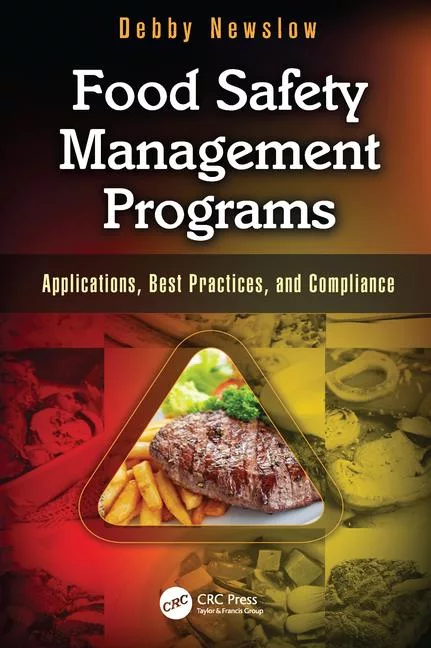
    Food Safety Management Programs: Applications, Best Practices, and Compliance

  • 9781138070912.jpg

    Trends in Food Safety and Protection

  • 1119237963.jpg

    Food Safety in China: Science, Technology, Management and Regulation

See More Products

Related Directories

  • Responsible Training

    Responsible Training has been a trusted leader in compliance education since 1999, providing accessible and reliable training solutions for businesses across highly regulated industries. With deep local expertise in Texas and a nationwide reach, we specialize in helping kitchens across industries get tailored, regulation-focused content that ensures businesses seamlessly meet their compliance requirements. Contact us for more information about our Food Manager Certification, Food Handler Courses, Alcohol Server and Cannabis Vendor courses.
  • Best Sanitizers Inc.

    Since 1995, Best Sanitizers, Inc. has supplied the Food Processing and Healthcare industries with high-quality products and support. Our stringent practices and policies ensure reliable performance, giving you confidence in every use. We offer hand soaps, hand sanitizers, surface sanitizers, and industrial cleaners. As the first company to achieve both an E3 rating for an alcohol-based hand sanitizer and a D2 rating for an alcohol/quat-based surface sanitizer, we continue to innovate and provide effective hygiene and sanitation solutions.
×

Never miss the latest news and trends driving the food safety industry

Newsletters | Website | eMagazine

JOIN TODAY!
  • RESOURCES
    • Advertise
    • Contact Us
    • Directories
    • Store
    • Want More
  • SIGN UP TODAY
    • Create Account
    • eMagazine
    • Newsletters
    • Customer Service
    • Manage Preferences
  • SERVICES
    • Marketing Services
    • Reprints
    • Market Research
    • List Rental
    • Survey/Respondent Access
  • STAY CONNECTED
    • LinkedIn
    • Facebook
    • Instagram
    • X (Twitter)
  • PRIVACY
    • PRIVACY POLICY
    • TERMS & CONDITIONS
    • DO NOT SELL MY PERSONAL INFORMATION
    • PRIVACY REQUEST
    • ACCESSIBILITY

Copyright ©2026. All Rights Reserved BNP Media, Inc. and BNP Media II, LLC.

Design, CMS, Hosting & Web Development :: ePublishing