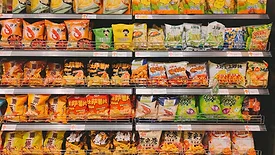
Researchers observed inflammatory responses, gut barrier damage, and immune effects relevant to allergy development in experiments with two emulsifiers, soy lecithin and DATEM. Study author Dr. Cezmi Akdis said the findings support a more comprehensive framework for evaluating food additive safety.
After an online video surfaced showing the illegal use of formaldehyde to preserve cabbage by a wholesaler, Chinese authorities launched an investigation, confirmed the practice, and ordered nationwide inspections of fresh produce.
The event will explore whether organizational investment in food safety culture has made a tangible impact on outcomes. FDA has also posted video recordings of past Food Safety Culture webinars and whitepapers summarizing each webinar.
In an analysis of a Listeria monocytogenes outbreak in which one person died, UKHSA highlighted investigation details, risk assessment and control measures, and the potential risks associated with home-delivered cook-chill meals.
Outbreak strains include STEC serotypes O26:H11, O103:H25, and O168:H8 and one strain of Salmonella Agona. Some people were infected with more than one outbreak strain. The implicated products were distributed by Everything Sprouts LLC of Minneapolis, Minnesota.
Participants argued that reductions in listeriosis will require implementation of fundamental preventive controls, true “seek and destroy” efforts, and risk-based approaches. Dose-response models suggesting that low contamination may confer low risk were also discussed.
The organized illegal sale of foods imported from China was discovered, including animal-based foods represented as plant-based, foods with undeclared allergens, the presence of African swine fever virus, and prohibited species. Researchers examined how prohibited foods may circumvent EU border controls.
The research and development center is designed to provide shared infrastructure for developing and testing emerging food technologies, biomaterials, and other products. It will offer industry, academics, and nonprofits with access to prototyping, characterization, culinary testing, and early-stage consumer testing resources.
A new web portal allows small and very small establishments regulated by USDA-FSIS to submit appeals outsideof the Public Health Information System, supporting efforts to improve service and reduce regulatory burden for small meat and poultry processors.
A vehicle of illness has not yet been definitively confirmed, but according to UKHSA, epidemiological evidence points to egg consumption as the strongest food signal identified to date.
 RSS
RSS