Persistent, Multidrug-Resistant Salmonella Strain is Growing Cause of Poultry Contamination, Human Infections
The findings suggest that chicken may serve as an important reservoir for S. Infantis strain REPJFX01 in the U.S.
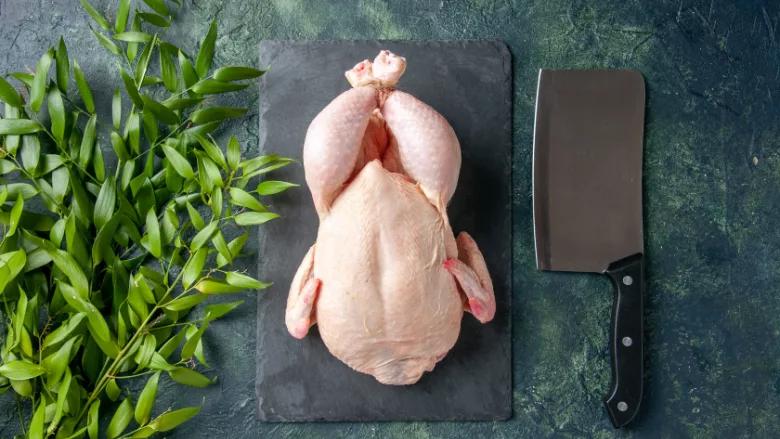
A persistent, multidrug-resistant (MDR) strain of Salmonella Infantis, known as REPJFX01, has increased in both human infections and chicken sources in the U.S. since 2016, according to a recent study analyzing federal surveillance data.
The study, published in the Journal of Food Protection, was conducted by researchers from the U.S. Centers for Disease Control and Prevention (CDC) and the U.S. Department of Agriculture’s Food Safety and Inspection Service (USDA-FSIS).
Using data spanning 2003–2023, derived from CDC’s PulseNet and USDA-FSIS sampling activities, the researchers found that trends related to REPJFX01 infections in humans and the prevalence of REPJFX01 on chicken carcasses were closely aligned over time. Statistical modeling showed a significant upward trend in both datasets beginning in 2016, with no detectable time lag between increases in chicken contamination and human illness.
The findings suggest that chicken may serve as an important reservoir for REPJFX01 in the U.S.
Rising Prevalence in Chicken and Humans
The study reported that REPJFX01 has become increasingly dominant among S. Infantis isolates in poultry. In 2023, the strain accounted for 97 percent of S. Infantis isolates and 21 percent of all Salmonella recovered from chicken carcasses.
At the same time, human infections linked to the strain have risen. Surveillance data indicated the hospitalization rate for S. Infantis REPJFX01 is approximately 30 percent—a rate that is comparable to those of more virulent strains, like S. Enteritidis and S. Typhimurium.
Although the analysis identified a strong correlation between human illness and chicken contamination, the authors noted that it does not establish causation and that other reservoirs may contribute to infections.
Looking for quick answers on food safety topics?
Try Ask FSM, our new smart AI search tool.
Ask FSM →
REPJFX01 Characteristics
REPJFX01 is characterized by resistance to multiple antibiotics commonly used to treat salmonellosis, including ampicillin, ceftriaxone, ciprofloxacin, and trimethoprim-sulfamethoxazole.
The strain carries a pESI-like plasmid associated with traits that aid pathogen persistence and spread in food production environments. These traits include resistance to oxidizers (e.g., hydrogen peroxide), increased tolerance to environmental stressors, and characteristics that enhance biofilm formation and colonization.
Implications for Food Safety
The study emphasized that poultry is a leading source of foodborne Salmonella infections in the U.S., and that handling or consuming contaminated chicken remains a key transmission pathway. However, the characteristics associated with pESI-like plasmids may challenge standard sanitation practices and make it difficult to prevent REPJFX01 in poultry production environments.
Researchers pointed to targeted interventions, such as enhanced disinfection protocols and the use of bacteriophages, as potential strategies to reduce MDR S. Infantis in broiler operations. For example, previous research has shown that disinfecting feeder lines and external areas, and applying bacteriophages after cleaning and before disinfection, can effectively reduce MDR S. Infantis in commercial broiler facilities.
The study also reinforced the importance of consumer practices, including proper handling of raw poultry, avoiding cross-contamination, and cooking chicken to an internal temperature of 165 °F.
Overall, the findings underscore the growing public health significance of MDR S. Infantis REPJFX01 and the need for coordinated interventions across the food production chain.