Regulation (EU) 2026/1825 expands MLs for 3-monochloropropanediol (3-MCPD) and glycidyl fatty acid esters, and Regulation (EU) 2026/1890 establishes new MLs for furan, 2-methylfuran, and 3-methylfuran.
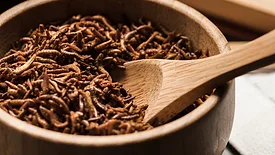
The findings highlighted the importance of considering rearing substrate composition when assessing the allergen safety and labeling of insect-based foods
The FSRN Pilots Award is a rapid call for relevant short-term projects with funding needs from £2,000 to £10,000. Cross-sector and cross-disciplinary projects are encouraged.
Acrylamide is a harmful contaminant that forms during thermal processing. An analysis of 17 years of EU RASFF data showed that UPFs accounted for 85 percent of related notifications. Cereals, baked goods, and potato chips were most frequently implicated.
Additionally, 80 percent of respondents believed food recalls were effective in protecting public health and safety, down from 85 percent in 2025. GS1 US suggested that traceability and improved data-sharing would help companies identify affected products and increase consumer confidence.
The qualitative, risk-based framework is designed to help manufacturers, foodservice operators, suppliers, and buyers evaluate microbiological hazards associated with dried fruits, vegetables, herbs, and spices, and appropriate pathogen mitigation measures.
According to the researchers, 1,222 FCCs are already known to be hazardous to human health, and more than 13,000 lack sufficient data to determine safety. Until adequate data become available, they proposed grouping FCCs based on chemical structure to help identify substances that may pose similar hazards.
Congress cut two of three federal Cyclospora research projects as part of FY2026 appropriations, and the third will be disrupted by the Trump Administration’s planned USDA reorganization, according to sources who spoke to POLITICO.
In August 28 social media posts, President Trump and USDA Secretary Rollins alluded to plans to give ranchers and farmers the ability to process their own meats and other efforts to cut “red tape.” Industry groups said these actions would jeopardize food safety and consumer confidence.
The researchers analyzed cost and sequencing-volume data from 23 FDA and FDA partner GenomeTrakr laboratories. Findings suggested that WGS-based genomic surveillance is a cost-effective public health investment.
 RSS
RSS