As a public health and medical practitioner, Dr. Overton does not have a background in food policy or food safety, but has held roles in both Trump administrations. She will replace Dr. Marty Makary, who parted ways with the agency in May.
Aligning with the agency’s priority of supporting agency in phasing out synthetic colorants from the food supply, the petitions seek expanded or new uses for gardenia (genipin) blue, safflower extract, and acetone-extracted carrot oil.
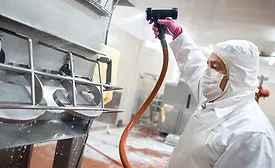
Longer application times, shorter nozzle distances, and spray patterns that deliver sufficient physical force to surfaces may contribute to improved microbial reduction. Sanitizer efficacy experiments could misrepresent real-world sanitation outcomes when shear stress and application time are not considered.
This episode of Food Safety Five discusses new research on avocado oil authenticity in processed foods, the effects of nanoplastics on bacterial biofilms in drinking water systems, factors influencing Listeria monocytogenes persistence on plastic food contact surfaces, and stress-adaptation traits that may help E. coli persist from farm to fork.
Potential uses include pathogen and chemical hazard detection, food fraud identification, outbreak surveillance, risk forecasting, and regulatory decision-making. Barriers to wider adoption remain, such as data quantity, quality, and accessibility; confidentiality; and transparency.
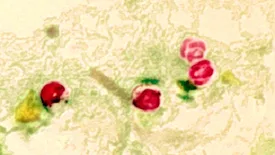
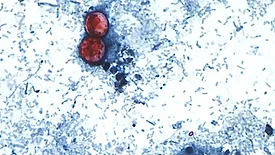
Cases decreased by 27.2 percent from the previous year. Although Cryptosporidium can be transmitted through routes other than food, the parasite can enter the food supply through contaminated irrigation water and contact with excrement during cultivation, harvesting, and handling.
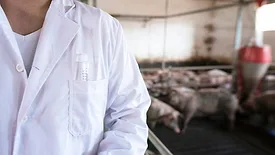
Antimicrobial resistance (AMR) is recognized as a crucial threat to global public health. Antimicrobial use in animal agriculture can contribute to the emergence and spread of increasingly drug-resistant foodborne pathogens, impacting human medicine.
There are an additional six cyclosporiasis outbreaks under investigation and thousands more Cyclospora cases reported by CDC and states. Two deaths have been reported. Stakeholders are urging an end to the Food Traceability Rule delay.
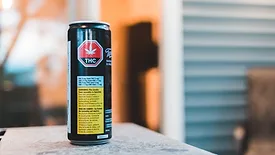
The legislation comes ahead of an impending end-of-year deadline set in the FY 2026 appropriations bill that is expected to remove most currently marketed intoxicating, hemp-derived THC beverages from the legal market by the end of 2026 through the closure of a loophole created by the 2018 Farm Bill.
The appropriations bill for FY 2026 prohibits FDA from using federal funds to implement FSMA 204 before the delayed July 2028 compliance date. Earlier implementation of the Traceability Rule could have enabled faster, more effective response to the ongoing cyclosporiasis outbreak linked to Taylor Farms lettuce.
 RSS
RSS