A new Scoping Paper lays the groundwork for expert European Commission advisory bodies to deliver opinions on the scientific and ethical considerations that should underpin potential EU policies on ultra-processed foods (UPFs).
During the screening of lactic acid bacteria on limes grown near poultry farms, scientists in Brazil discovered the presence of two emerging pathogens with traits that raise concerns for food safety, human clinical outcomes, and One Health.
At the same time, poor hygiene ratings among inspected businesses remain low. The UK Food Standards Agency (FSA) has acknowledged a years-long inspection backlog and inspector workforce shortages, and is currently developing a modernized approach to food business regulation.
In a survey of 48 packaged baby foods from 11 brands, 96 percent contained heavy metals below Consumer Reports’ level of concern. However, alates were detected in most products tested, and microplastics were found in all analyzed purees.
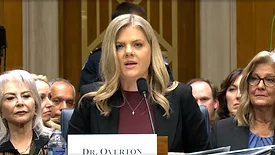
Dr. Overton also suggested it may be appropriate to consider federal preemption of state food additive bans, and was questioned about how she would ensure food safety after inheriting an understaffed Human Foods Program and inspector workforce due to the Administration's layoffs.
Researchers from the Helmholtz Center for Environmental Research and the Food Packaging Forum have proposed a panel of 15 high-throughput in vitro bioassays to screen chemicals for biological activity associated with cancer, brain-related harms, cardiovascular disease, and other disorders.
Food Standards Scotland (FSS) has outlined its plans to reduce foodborne illness over the next three years, prioritizing Campylobacter, Listeria monocytogenes, and Shiga toxin-producing Escherichia coli, as well as its related research objectives.
A review led by researchers at the University of Nebraska–Lincoln found that high-pressure processing (HPP) can reduce foodborne pathogens in raw chicken and described pressures and holding times that significantly influenced microbial inactivation.
EPA is reassessing glyphosate’s human health risks and carcinogenic potential after a federal court vacated its previous determination. An expert source raised concerns stemming from the fact that EPA has already disqualified 78 percent of independent studies identified in its review.
A new FAO technical brief explains how plastic pollution moves through agrifood systems and creates interconnected risks to food safety and human, animal, plant, and environmental health.
 RSS