Food Safety
search
Ask Food Safety AI
cart
facebook twitter linkedin instagram youtube
  • Sign In
  • Create Account
  • Sign Out
  • My Account
Food Safety
  • NEWS
    • Latest News
    • Sponsored Insights
    • Sponsored White Papers
  • PRODUCTS
  • TOPICS
    • Contamination Control
    • Food Types
    • Management
    • Process Control
    • Regulatory
    • Sanitation
    • Supply Chain
    • Testing and Analysis
  • PODCAST
  • EXCLUSIVES
    • Food Safety Five Newsreel
    • eBooks
    • FSM Distinguished Service Award
    • Interactive Product Spotlights
    • Videos
  • MORE
    • BUYER'S GUIDE
    • NEWSLETTERS >
      • Archive Issues
      • Subscribe to eNews
    • Store
    • ASK FSM AI
  • WEBINARS
  • FOOD SAFETY SUMMIT
  • FSM FEATURES
    • FSM Features Collection
    • eMag Archives
    • Editorial Advisory Board
    • Contact
    • Advertise
  • SIGN UP!
NewsRegulatoryInternational Standards/Harmonization

EU to Deliver Opinions on Scientific, Ethical Considerations for UPFs Policymaking by Early 2027
By Food Safety Magazine Editorial Team
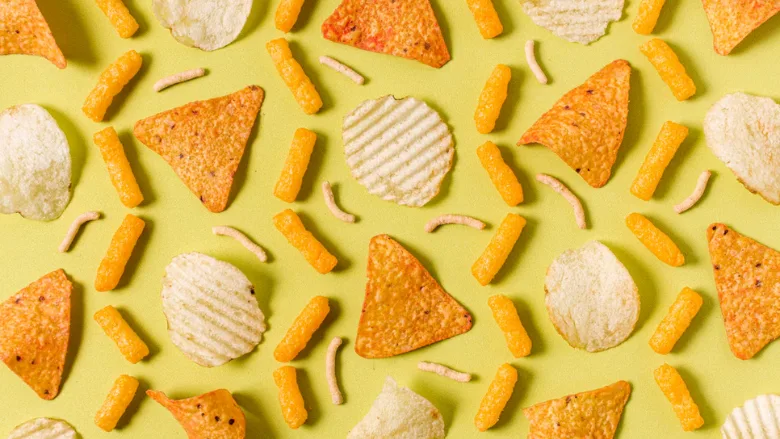
assorted chips on a yellow background
Image credit: Magnific
September 30, 2026

The European Commission has published a Scoping Paper on the scientific and ethical assessment of ultra-processed foods (UPFs) consumption and related policymaking recommendations in the EU. While the paper does not draw official conclusions, it does lay the groundwork for opinions by the Commission’s Group of Chief Scientific Advisors (GCSA) and the European Group on Ethics in Science and New Technologies (EGE), to be delivered in early 2027.

The forthcoming scientific and ethical assessments could inform future EU action on UPFs.

Experts Tasked with Evaluating Basis for UPF Policies

More specifically, GCSA has been tasked with determining what scientific considerations should underpin EU policies intended to foster healthier diets based on current knowledge about UPF consumption and health.

The advisors have been asked to examine:

  • Prominent UPF definitions and classification systems and whether they provide an appropriate basis for policymaking
  • The current scientific evidence regarding health effects
  • Patterns of UPF consumption across the EU
  • Possible criteria or markers for assessing health effects.

Potential criteria identified for consideration include the degree or type of processing, energy density, nutrient composition, ingredients such as food additives and flavorings, portion sizes, consumption frequency, and individual foods' contributions to essential nutrient intake and dietary recommendations.

Importantly, the paper noted that the safety of individual substances is already subject to European Food Safety Authority (EFSA) risk assessment under the EU's premarket authorization system.

In parallel, EGE has been asked to examine ethical considerations surrounding UPFs across the food chain. Its work will consider health protection, access to adequate and nutritious food, consumer protection and autonomy, social justice, corporate responsibility, animal welfare, and environmental impacts. It will also examine socioeconomic inequalities, pricing, market concentration, labor, data ownership, and environmental externalities associated with UPF production and consumption.

Both groups have been directed to identify where available evidence is credible, limited, or missing and to highlight research gaps. Their respective scientific and ethical opinions are expected in the first quarter of 2027.

Looking for quick answers on food safety topics?
Try Ask FSM, our new smart AI search tool.
Ask FSM →

Unclear UPF Definitions and Evolving Evidence on Health Effects

Setting the stage for GCSA and EGE to form their opinions, the Scoping Paper highlighted both the growing evidence associating UPF consumption with adverse health outcomes and ongoing questions about how UPFs should be defined for research and policymaking.

The term “ultra-processed food” is most commonly associated with the Nova food classification system, which divides foods and beverages into four categories, with UPFs comprising products that contain mostly little to no whole food. The paper highlighted frequent criticisms of the Nova criteria, which lack the specificity required to consistently classify foods without subjective interpretation.

Observational research has associated diets high in UPFs with noncommunicable diseases, obesity, and negative mental health outcomes, including anxiety and depression. However, the Commission characterized the science as an evolving field and said environmental and social effects of UPFs appear to be less well understood.

The Functional Importance of Food Processing

The paper also emphasized that food processing itself serves important functions. Processing can improve microbiological safety, remove toxins, extend shelf life, increase nutrient bioavailability, enable fortification, and reduce food waste and domestic labor burdens. At the same time, newer processing technologies can be used to create highly shelf-stable formulations and alter sensory characteristics, raising questions about possible effects on human, animal, and planetary health.

UPF Consumption Varies Across the EU

According to evidence cited by the Commission, the percentage of total energy intake derived from Nova-defined UPFs varies considerably across Europe. UPFs account for less than 25 percent of energy intake in some southern European countries, including Italy, Cyprus, Greece, and Portugal, but exceed 35 percent in the Netherlands and Germany and reach approximately 40 percent in Sweden.

The Commission also pointed to socioeconomic disparities associated with UPF consumption. Research cited in the paper has linked higher UPF intake with lower socioeconomic and parental educational status, while other evidence has associated food insecurity with a greater likelihood of meeting criteria for what researchers termed “UPF addiction.”

Existing EU Food Safety Rules and Potential UPF Policy

The paper framed UPFs as an issue extending beyond nutrition and public health. Potential policy considerations identified by the Commission included food safety, agriculture, industry and trade, consumer protection and autonomy, social justice, environmental sustainability, animal welfare, biodiversity, packaging, and food waste.

Although the EU does not specifically regulate UPFs as a category, existing legislation already governs many aspects of foods that could fall under UPF classifications. For example, the EU General Food Law establishes the overarching legal framework for food safety and provides for risk management measures ranging from consumer information to product bans and withdrawals. Separate regulations govern food additives, flavorings, contaminants, and food contact materials.

The Commission's Safe Hearts Plan could provide a more direct pathway for UPF-related policy. One initiative calls for work toward a “comprehensive food processing assessment system” intended to provide consumers with science-based information about food processing. Another calls for examining potential tools, including financial actions, to support disease prevention, food reformulation, and healthier consumer choices. The latter initiative is explicitly intended to draw on the forthcoming scientific and ethical advice.


KEYWORDS: EU Europe ultra-processed foods

Share This Story

Fsm purple logo 200x200

The Food Safety Magazine editorial team comprises Bailee Henderson, Director of Content Strategy and news editor ✉, and Adrienne Blume, M.A., Director of Editorial and Industry Engagement.

Recommended Content

JOIN TODAY
to unlock your recommendations.

Already have an account? Sign In

  • people holding baby chicks

    Serovar Differences Matter: Utility of Deep Serotyping in Broiler Production and Processing

    This article discusses the significance of Salmonella in...
    Food Type
    By: Nikki Shariat Ph.D.
  • woman washing hands

    Building a Culture of Hygiene in the Food Processing Plant

    Everyone entering a food processing facility needs to...
    Facilities
    By: Richard F. Stier, M.S.
  • graphical representation of earth over dirt

    Climate Change and Emerging Risks to Food Safety: Building Climate Resilience

    This article examines the multifaceted threats to food...
    International
    By: Maria Cristina Tirado Ph.D., D.V.M. and Shamini Albert Raj M.A.
Manage My Account
  • eMagazine Subscription
  • Subscribe to Newsletters
  • Manage My Preferences
  • Website Registration
  • Subscription Customer Service

More Videos

Sponsored Content

Sponsored Content is a special paid section where industry companies provide high quality, objective, non-commercial content around topics of interest to the Food Safety Magazine audience. All Sponsored Content is supplied by the advertising company and any opinions expressed in this article are those of the author and not necessarily reflect the views of Food Safety Magazine or its parent company, BNP Media. Interested in participating in our Sponsored Content section? Contact your local rep!

close
  • Top view portrait of two factory workers standing by conveyor belt during quality inspection at food production, copy space
    Sponsored byFlexXray

    Foreign Material By the Numbers: What the 2026 Benchmark Report Reveals

  • a conveyorized industrial metal detector system that appears to resemble a Loma Systems IQ4 Metal Detector setup with an integrated conveyor belt and control panel for food or package inspection.
    Sponsored byMettler Toledo

    Beyond Detection: How to Avoid Physical Contamination in Food Through a Smarter Inspection Strategy

  • The image displays a bottling plant production line, commonly used in the beverage industry for filling and packaging soft drinks.
    Sponsored byBIOIONIX

    Sustainability with ROI: A Beverage Producer Case Study in Water Savings

Popular Stories

Dr. Heidi Overton speaking at Senate hearing

In Senate Hearing, FDA Commissioner Nominee Says Lack of Resources Will Challenge GRAS Reform

rangpur lime

Pathogens Found on Brazilian Citrus Fruit Present Emerging Food Safety Concerns

tractor spraying pesticides

EPA Announces Glyphosate Safety Review Efforts, Decision Expected by Early 2027; Experts Question Scientific Rigor

allergens ebook

Events

October 6, 2026

Advances in Environmental Monitoring Science and Strategy

Live: October 6, 2026 at 2:00 pm EDT: This webinar will cover how environmental monitoring science and EMP strategies support sanitation verification and the safe production of food.

October 15, 2026

How to Prevent Physical Contamination in Food Production and Strengthen Compliance

Live: October 15, 2026 at 2:00 pm EDT: Attend this webinar to gain insight into how product inspection helps protect your brand, reduce recall risk, and support compliance.

October 29, 2026

FDA Proposes Major GRAS Reform: What It Could Mean for Your Business

Live: October 29, 2026 at 2:00 pm EDT: Attend this webinar to examine potential implications for self-GRAS, Flavor and Extract Manufacturers Association (FEMA) GRAS, and food-contact substances.

View All

Products

Global Food Safety Microbial Interventions and Molecular Advancements

Global Food Safety Microbial Interventions and Molecular Advancements

See More Products

Related Articles

  • tractor spraying pesticides

    EPA Announces Glyphosate Safety Review Efforts, Decision Expected by Early 2027; Experts Question Scientific Rigor

    See More
  • whole roast chicken on wood table in between fork and knife

    In a 2023 Recap, USDA-FSIS Says it Aims to Publish Formal Regulatory Proposal for Salmonella in Poultry by Early 2024

    See More
  • a gavel, which is a small mallet typically used by a judge, an auctioneer, or a presiding officer of a meeting.

    Key Considerations for Food Safety Recalls

    See More

Related Products

See More Products
  • 1119053595.jpg

    Food Safety for the 21st Century: Managing HACCP and Food Safety throughout the Global Supply Chain, 2E

  • 1119160553.jpg

    Food Safety: Innovative Analytical Tools for Safety Assessment

  • 1118396308.jpg

    High Throughput Analysis for Food Safety

See More Products

Events

View AllSubmit An Event
  • September 22, 2026

    From EFSA to Enforcement: Managing the Growing Complexity of EU MRLs

    On Demand: Attend this webinar to evaluate best practices for monitoring regulatory changes and protecting market access.
  • March 31, 2026

    Regulatory Risk, Ingredient Safety, and GRAS: What Companies Need to Act on Now

    On Demand: From this webinar, attendees will recognize patterns in food policy affecting dietary guidelines, UPFs, state legislative actions, and expected GRAS reform.
View AllSubmit An Event

Related Directories

  • Weber Scientific

    Weber Scientific is a leading manufacturer and distributor of laboratory supplies and equipment to the food and beverage processing industries. Since 1959 we have specialized in supplying the quality control needs of product testing, both raw and finished, and for overall processing and facility quality assurance. At Weber, we make the acquisition of testing supplies as easy and affordable as possible. Our team of dedicated sales professionals are ready to assist all your needs.
  • Thermo Fisher Scientific

    For over 70 years, Thermo Fisher Scientific has been helping customers improve the safety and quality of their packaged and unpackaged food products. Thermo Scientific™ metal detectors, X-ray inspection systems and checkweighers are configurable to virtually any application. Discover solutions to help protect consumers and your brand.
  • Plex by Rockwell Automation

    Plex offers a digital system of record that connects people, systems, machines and supply chains, automates business processes, tracks data from the shop floor to the top floor, and delivers analytics for unmatched visibility, quality and control.
×

Never miss the latest news and trends driving the food safety industry

Newsletters | Website | FSM Features Collection

JOIN TODAY!
  • RESOURCES
    • Advertise
    • Contact Us
    • Directories
    • Store
    • Want More
  • SIGN UP TODAY
    • Create Account
    • eMagazine
    • Newsletters
    • Customer Service
    • Manage Preferences
  • SERVICES
    • Marketing Services
    • Reprints
    • Market Research
    • List Rental
    • Survey/Respondent Access
  • STAY CONNECTED
    • LinkedIn
    • Facebook
    • Instagram
    • X (Twitter)
  • PRIVACY
    • PRIVACY POLICY
    • TERMS & CONDITIONS
    • DO NOT SELL MY PERSONAL INFORMATION
    • PRIVACY REQUEST
    • ACCESSIBILITY

Copyright ©2026. All Rights Reserved BNP Media, Inc. and BNP Media II, LLC.

Design, CMS, Hosting & Web Development :: ePublishing