The letter to industry was issued in response to the botulism outbreaks linked to Nara Organics and ByHeart formulas, which identified Clostridia in the whole milk powder ingredient supply chain, as well as the global formula recall due to cereulide-contaminated arachidonic acid oil.
Effective July 20, to support risk surveillance, the agency will perform metals analysis on samples that are already collected for allergen verification.
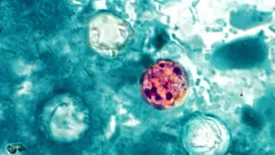
Per CDC, 843 domestically acquired cyclosporiasis cases have been confirmed in 31 states, plus another 1,500 pending analysis. Michigan alone has reported more than 2,600 cases and is looking at lettuce as a potential vehicle of illness.
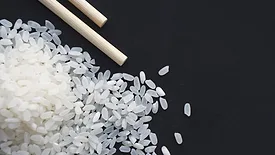
The investigation analyzed 142 samples representing 52 rice products. Notably, 17 products contained average inorganic arsenic concentrations of at least 100 parts per billion. Rice type significantly influenced average concentrations.
Overall, 72 percent of targeted surveillance samples were deemed satisfactory. FSA flagged imported, niche products, like Dubai-style chocolates, South Asian snacks, and ashwagandha supplements, as especially problematic.
The resources were produced through the Cell-Cultivated Products Sandbox Program and cover hygiene requirements; identity, production, and microbiology; product applications; and novel food taste trials.
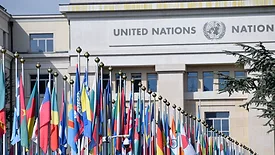
The 102nd meeting of the Joint FAO/WHO Expert Committee on Food Additives (JECFA) took place in June 2026 in Nanjing, China. Key outcomes included the establishment of new, temporary acceptable daily intakes (ADIs) for two substances.
The vaccine provided 89 percent protection against S. sonnei infection compared with the placebo. Vaccinated participants also experienced less severe symptoms and lower levels of bacterial shedding. The vaccine is being developed as drug resistance among Shigella continues to increase.
The plan establishes the Codex Alimentarius Commission’s priorities for the next six years to strengthen the development of international food safety and quality standards while considering evolving and emerging global challenges.
 RSS
RSS