Several senators have written letters to U.S. Health Secretary Kennedy urging Cyclospora surveillance to be restored to the FoodNet program. Experts say that FoodNet cuts, although problematic, did not cause the current outbreak.
The European Food Safety Authority (EFSA) lowered the acceptable daily intake for trifluoroacetic acid (TFA) to a quarter of the previously established level, and also set an acute reference dose for the chemical for the first time.
By the same time last year, CDC had only reported 249 confirmed, domestically acquired Cyclospora infections across the entire U.S. States’ reports may include both probable and confirmed cases.
Adding to a growing body of evidence that micro- and nanoplastics may enhance the virulence and persistence of pathogens in food and the environment, a new study found that nanoplastics may strengthen E. coli biofilms in drinking water systems and increase resistance to chlorine treatment.
This episode of Food Safety Five highlights new research on cold storage practices for fresh-cut produce, food safety perspectives among small-scale produce growers exempt from FDA's FSMA Produce Safety Rule, and water management strategies that reduce arsenic in rice.
The Brix level for Florida oranges has been steadily declining over the past few decades due to severe weather and citrus greening, making it challenging to meet the original Standard of Identity (SOI) for pasteurized orange juice, which was established in 1963.
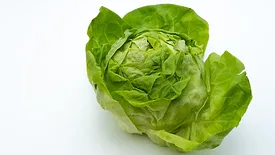
Between 1,600 and 5,000 people are sick in a five-state cyclosporiasis outbreak, according to CDC and Michigan officials. Iceberg lettuce supplied by Taylor Farms of Mexico to companies like Taco Bell and Walmart has been identified as the vehicle of infection. FDA has rescinded a previous positive product sample finding.
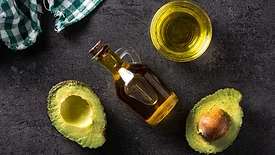
Of the products (including chips, mayonnaise, and salad dressings) labeled to contain avocado oil as the sole declared edible oil, 89 percent contained fatty acid and sterol profiles indicating the presence of other oils.
 RSS
RSS