Food Safety
search
Ask Food Safety AI
cart
facebook twitter linkedin instagram youtube
  • Sign In
  • Create Account
  • Sign Out
  • My Account
Food Safety
  • NEWS
    • Latest News
    • Food Safety Five Newsreel
  • PRODUCTS
  • TOPICS
    • Contamination Control
    • Food Types
    • Management
    • Process Control
    • Regulatory
    • Sanitation
    • Supply Chain
    • Testing and Analysis
  • PODCAST
  • EXCLUSIVES
    • eBooks
    • Sponsored Insights
    • Sponsored White Papers
    • FSM Distinguished Service Award
    • Interactive Product Spotlights
    • Videos
  • MORE
    • BUYER'S GUIDE
    • NEWSLETTERS >
      • Archive Issues
      • Subscribe to eNews
    • Store
    • ASK FSM AI
  • WEBINARS
  • FOOD SAFETY SUMMIT
  • FSM FEATURES
    • FSM Features Collection
    • eMag Archives
    • Editorial Advisory Board
    • Contact
    • Advertise
  • SIGN UP!
NewsContamination ControlFood TypeMicrobiological ControlMeat/Poultry

One-Third of Campylobacter from Poultry, Pork Supply Chains in Northeast India Study Show Multidrug Resistance
By Food Safety Magazine Editorial Team
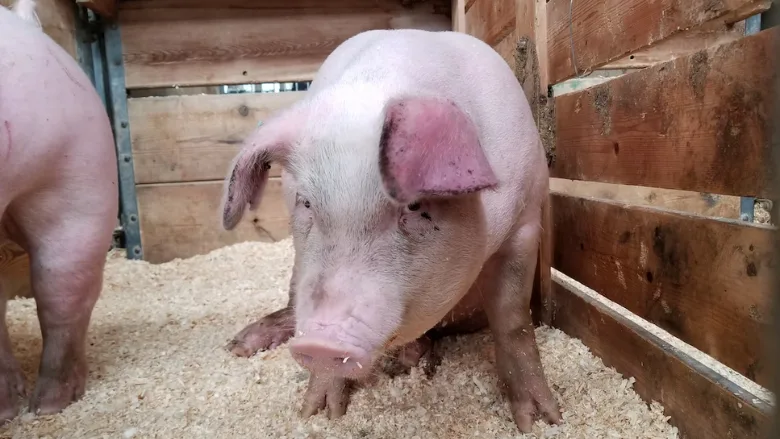
pig in transport
Image credit: Laura Anderson via Unsplash
October 19, 2026

A new study examining Campylobacter jejuni contamination along poultry and pig food supply chains in Northeast India found that approximately 31 percent of isolates were multidrug-resistant, while more than half demonstrated biofilm-forming ability. The researchers also reported the first genomic characterization of C. jejuni from porcine sources in India.

The study, published in Applied Food Research, was conducted by researchers from the Indian Council of Agricultural Research (ICAR) and Central Agricultural University. The researchers investigated the occurrence, antimicrobial resistance (AMR), virulence characteristics, and genomic diversity of C. jejuni in poultry and pork supply chains in the Indian state of Meghalaya.

Researchers collected 864 samples from poultry and pig farms, slaughter operations, and retail meat shops, including chicken meat, chicken intestines, pork, pig intestines, and animal swabs. Of these samples, 27 (3.13 percent) tested positive for C. jejuni.

The highest occurrence was observed in chicken intestines (9.72 percent), followed by pork (7.64 percent) and chicken meat (1.39 percent). No C. jejuni was isolated from poultry cloacal swabs, pig intestines, or pig rectal swabs.

Drug Resistance and Biofilm Formation

Antimicrobial susceptibility testing of 26 isolates revealed high resistance to nalidixic acid and tetracycline (73.1 percent each), followed by ampicillin (42.3 percent) and ciprofloxacin (19.2 percent). Resistance to erythromycin and azithromycin was observed in 7.7 percent of isolates each.

Multidrug resistance (i.e., demonstrating resistance to three or more antimicrobial classes) was reported for eight isolates (30.8 percent), including five isolates from pork, two from chicken intestines, and one from chicken meat.

Additionally, 14 isolates (53.9 percent) demonstrated biofilm-forming ability, although all were classified as weak biofilm formers.

Looking for quick answers on food safety topics?
Try Ask FSM, our new smart AI search tool.
Ask FSM →

Whole genome sequencing (WGS) of 25 isolates identified several clinically relevant AMR determinants. Notably, 88 percent carried a genomic mutation associated with fluoroquinolone resistance. All sequenced isolates harbored the cmeABC multidrug efflux system, and 44 percent carried conjugative plasmids associated with tetracycline resistance.

Genomic Analysis Reveals Virulence Genes, Genetic Diversity

Genomic analysis also identified virulence genes associated with bacterial adhesion, invasion, toxin production, and immune evasion. Nearly all isolates carried the cdtABC cytolethal distending toxin genes, which contribute to the ability of C. jejuni to cause disease in humans, while 32 percent harbored a combination of genes associated with lipooligosaccharide sialylation, a mechanism implicated in Guillain-Barré syndrome.

Multilocus sequence typing revealed diverse genetic lineages. The researchers also identified sequence types shared across chicken and pork sources.

The researchers emphasized the need for strengthened One Health surveillance and interventions to reduce C. jejuni transmission along food supply chains, particularly in regions where animal intestines and other offal are commonly consumed.

They acknowledged that the study's nonrandom sampling approach, relatively small number of isolates, and limited genomic dataset restricted the generalizability of the findings.

KEYWORDS: AMR Campylobacter India study

Share This Story

Fsm purple logo 200x200

The Food Safety Magazine editorial team comprises Bailee Henderson, Director of Content Strategy and news editor ✉, and Adrienne Blume, M.A., Director of Editorial and Industry Engagement.

Recommended Content

JOIN TODAY
to unlock your recommendations.

Already have an account? Sign In

  • people holding baby chicks

    Serovar Differences Matter: Utility of Deep Serotyping in Broiler Production and Processing

    This article discusses the significance of Salmonella in...
    Methods
    By: Nikki Shariat Ph.D.
  • woman washing hands

    Building a Culture of Hygiene in the Food Processing Plant

    Everyone entering a food processing facility needs to...
    Facilities
    By: Richard F. Stier, M.S.
  • graphical representation of earth over dirt

    Climate Change and Emerging Risks to Food Safety: Building Climate Resilience

    This article examines the multifaceted threats to food...
    Management
    By: Maria Cristina Tirado Ph.D., D.V.M. and Shamini Albert Raj M.A.
Manage My Account
  • eMagazine Subscription
  • Subscribe to Newsletters
  • Manage My Preferences
  • Website Registration
  • Subscription Customer Service

More Videos

Sponsored Content

Sponsored Content is a special paid section where industry companies provide high quality, objective, non-commercial content around topics of interest to the Food Safety Magazine audience. All Sponsored Content is supplied by the advertising company and any opinions expressed in this article are those of the author and not necessarily reflect the views of Food Safety Magazine or its parent company, BNP Media. Interested in participating in our Sponsored Content section? Contact your local rep!

close
  • Top view portrait of two factory workers standing by conveyor belt during quality inspection at food production, copy space
    Sponsored byFlexXray

    Foreign Material By the Numbers: What the 2026 Benchmark Report Reveals

  • a conveyorized industrial metal detector system that appears to resemble a Loma Systems IQ4 Metal Detector setup with an integrated conveyor belt and control panel for food or package inspection.
    Sponsored byMettler Toledo

    Beyond Detection: How to Avoid Physical Contamination in Food Through a Smarter Inspection Strategy

  • The image displays a bottling plant production line, commonly used in the beverage industry for filling and packaging soft drinks.
    Sponsored byBIOIONIX

    Sustainability with ROI: A Beverage Producer Case Study in Water Savings

Popular Stories

chemicals in beakers fda logo overlay

FDA Quietly Included Provision in GRAS Proposed Rule to Expand One ‘Loophole’ While Tightening Another

milk caution tape

American Academy of Pediatrics Endorses Raw Milk Ban as Children Continue to Fall Seriously Ill

couple of customers buying food together in grocery store, wheeling cart. Buyers shopping in supermarket. Choosing fresh food concept

Refrigerator Cyberattack at Hundreds of Stores in France, Other Countries Results in Mass Food Losses

allergens ebook

Events

October 29, 2026

FDA Proposes Major GRAS Reform: What It Could Mean for Your Business

Live: October 29, 2026 at 2:00 pm EDT: Attend this webinar to examine potential implications for self-GRAS, Flavor and Extract Manufacturers Association (FEMA) GRAS, and food-contact substances.

November 5, 2026

How Middle Managers Shape Food Safety Culture and Risk Performance

Live: November 5, 2026 at 11:00 am EST: From this webinar, attendees will learn how investing in middle managers improves both FSQ strategy implementation and accountability across all levels of the company.

November 12, 2026

From Data Overload to Actionable Food Safety Risk Intelligence

Live: November 12, 2026 at 11:00 am EST: This webinar explores how data integration, advanced analytics, and digital technologies can help transform disparate information into meaningful risk intelligence.

View All

Products

Global Food Safety Microbial Interventions and Molecular Advancements

Global Food Safety Microbial Interventions and Molecular Advancements

See More Products

Related Articles

  • eucalyptus plant leaves

    Study Shows Ability of Some Essential Oils to Kill Drug-Resistant Campylobacter from Poultry

    See More
  • chickens sticking heads out of cages on poultry farm

    Rising Campylobacter Infections From Poultry May Lead to Increasing AMR in U.S., Study Suggests

    See More
  • Exclusive interview: Q&A with NiceLabel, on food supply chains in crisis during the COVID-19 pandemic

    Exclusive interview: Q&A with NiceLabel, on food supply chains in crisis during the COVID-19 pandemic

    See More

Related Products

See More Products
  • 1119053595.jpg

    Food Safety for the 21st Century: Managing HACCP and Food Safety throughout the Global Supply Chain, 2E

  • food-safety-making.jpg

    Food Safety: Making Foods Safe and Free From Pathogens

  • 9781498721776.jpg

    Handbook of Food Processing: Food Safety, Quality, and Manufacturing Processes

See More Products

Related Directories

  • Koerber Supply Chain Consulting

    Supply chains are growing more complex every day. At Körber, we provide a comprehensive range of proven, end-to-end supply chain solutions tailored to any business size or growth strategy. Our customers optimize their supply chains through a portfolio spanning software, automation, mail and parcel solutions, robotics, and material handling, supported by the expertise to tie it all together. By connecting technologies and capabilities across the entire supply chain, Körber helps businesses turn their operations into a competitive advantage with leading technology to fuel what’s next.
  • FoodChain ID

    Our mission is to make it easier to keep the food supply chain safe, compliant and transparent. We serve 30,000+ customers in over 100 countries. We offer five key service areas: Regulatory Compliance, Product Development Solutions, Food Safety Solutions, Product Certifications, and Testing Solutions.
×

Never miss the latest news and trends driving the food safety industry

Newsletters | Website | FSM Features Collection

JOIN TODAY!
  • RESOURCES
    • Advertise
    • Contact Us
    • Directories
    • Store
    • Want More
  • SIGN UP TODAY
    • Create Account
    • eMagazine
    • Newsletters
    • Customer Service
    • Manage Preferences
  • SERVICES
    • Marketing Services
    • Reprints
    • Market Research
    • List Rental
    • Survey/Respondent Access
  • STAY CONNECTED
    • LinkedIn
    • Facebook
    • Instagram
    • X (Twitter)
  • PRIVACY
    • PRIVACY POLICY
    • TERMS & CONDITIONS
    • DO NOT SELL MY PERSONAL INFORMATION
    • PRIVACY REQUEST
    • ACCESSIBILITY

Copyright ©2026. All Rights Reserved BNP Media, Inc. and BNP Media II, LLC.

Design, CMS, Hosting & Web Development :: ePublishing