Food Safety
search
Ask Food Safety AI
cart
facebook twitter linkedin instagram youtube
  • Sign In
  • Create Account
  • Sign Out
  • My Account
Food Safety
  • NEWS
    • Latest News
    • Food Safety Five Newsreel
  • PRODUCTS
  • TOPICS
    • Contamination Control
    • Food Types
    • Management
    • Process Control
    • Regulatory
    • Sanitation
    • Supply Chain
    • Testing and Analysis
  • PODCAST
  • EXCLUSIVES
    • eBooks
    • Sponsored Insights
    • Sponsored White Papers
    • FSM Distinguished Service Award
    • Interactive Product Spotlights
    • Videos
  • MORE
    • BUYER'S GUIDE
    • NEWSLETTERS >
      • Archive Issues
      • Subscribe to eNews
    • Store
    • ASK FSM AI
  • WEBINARS
  • FOOD SAFETY SUMMIT
  • FSM FEATURES
    • FSM Features Collection
    • eMag Archives
    • Editorial Advisory Board
    • Contact
    • Advertise
  • SIGN UP!
NewsContamination ControlSanitationMicrobiological ControlPersonal Hygiene/Handwashing

Hygiene Interventions Tested in Vietnam Slaughterhouses Failed to Reduce Microbial Contamination
By Food Safety Magazine Editorial Team
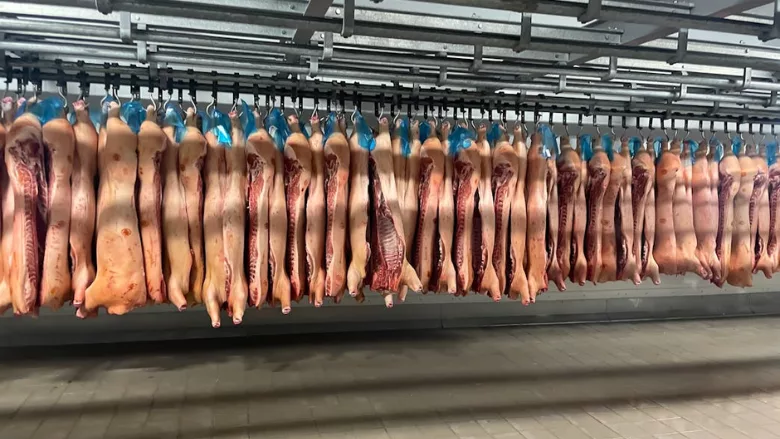
processed swine carcasses pork slaughterhouse
Image credit: Aurelijus U. via Pexels
October 21, 2026

A new study conducted at small- and medium-scale pig slaughterhouses in Vietnam found that, although low-cost technical interventions improved workers’ hygiene practices, these improvements did not translate to significant reductions in microbial contamination of pig carcasses. Additionally, financial incentives only improved hygiene practices in the short term, with no sustained effects.

Published in Food Control, the study was conducted by an international team of researchers led by the International Livestock Research Institute (ILRI) and the Swedish University of Agricultural Sciences.

Interventions Were Designed to Be Appropriate for Studied Facilities

The researchers evaluated the effects of two interventions on hygiene practices and microbial contamination at 16 pig slaughterhouses across four Vietnamese provinces from May–December 2024.

  1. The “Technique” intervention involved approximately $1,000 in low-cost equipment upgrades, such as elevated stainless-steel slaughtering surfaces and cleaning supplies, alongside hygiene training and educational posters
  2. The "Incentive" intervention involved audio reminders to wash hands and clean tools, as well as a hygiene-practice rating program that rewarded workers with approximately $7.60 USD ($200,000 VND) for demonstrating satisfactory hygiene practices.

Slaughterhouses received either Technique-only interventions, Incentive-only interventions, both interventions, or neither intervention.

Both interventions were developed within a context-appropriate framework for low-resource slaughterhouses and built on a pilot previously implemented in northern Vietnam. Their content was adapted from training and communication materials produced by ILRI’s SafePORK project, which ran from 2017–2022 to develop and evaluate light-touch, market-based approaches to improving food safety in the Vietnamese pork sector, and were reviewed for cultural and operational appropriateness by local animal health officers.

Researchers collected 192 pig carcass swabs and 128 workers' hand swabs before and after the interventions, testing for total bacterial counts, coliforms, and Escherichia coli. Carcass samples were also tested for Salmonella.

Hygiene Improvements Did Not Reduce Microbial Contamination

Overall, Salmonella prevalence on pig carcasses remained largely unchanged, from 37.5 percent at baseline to 35.4 percent after the interventions.

Looking for quick answers on food safety topics?
Try Ask FSM, our new smart AI search tool.
Ask FSM →

Mean total bacterial counts decreased from 5.4 to 4.7 log10 colony forming units per square centimeter (CFU/cm²), while coliform and E. coli counts also declined. However, reductions in bacterial contamination occurred within intervention and control groups, which the researchers said is a pattern more consistent with seasonal and operational factors rather than the result of interventions.

Although the Technique intervention significantly improved hygiene practices, the Incentive intervention produced only short-term improvements during the reward program. Still, neither intervention was associated with reduced carcass contamination.

Absent Hygiene Practices, Other Observations

Importantly, several critical hygiene practices remained absent throughout the study. Workers were not observed washing their hands or boots with soap during baseline or follow-up assessments, and improvements were primarily limited to water-based washing.

The researchers also identified associations between microbial contamination and operational or environmental factors, including ambient temperature, workforce size, and slaughtering capacity.

Researchers Call for Comprehensive Slaughterhouse Hygiene Improvements

Overall, the findings suggested that improving workers' hygiene practices alone may be insufficient to reduce microbial contamination in traditional slaughterhouse settings.

The researchers concluded that effective contamination control requires sustained, multi-level interventions combining infrastructure and operational improvements with targeted worker hygiene measures, particularly soap-based cleaning, to address foodborne microbial hazards.


KEYWORDS: International Livestock Research Institute slaughter hygiene slaughterhouses study Vietnam

Share This Story

Fsm purple logo 200x200

The Food Safety Magazine editorial team comprises Bailee Henderson, Director of Content Strategy and news editor ✉, and Adrienne Blume, M.A., Director of Editorial and Industry Engagement.

Recommended Content

JOIN TODAY
to unlock your recommendations.

Already have an account? Sign In

  • people holding baby chicks

    Serovar Differences Matter: Utility of Deep Serotyping in Broiler Production and Processing

    This article discusses the significance of Salmonella in...
    Methods
    By: Nikki Shariat Ph.D.
  • woman washing hands

    Building a Culture of Hygiene in the Food Processing Plant

    Everyone entering a food processing facility needs to...
    Sanitation
    By: Richard F. Stier, M.S.
  • graphical representation of earth over dirt

    Climate Change and Emerging Risks to Food Safety: Building Climate Resilience

    This article examines the multifaceted threats to food...
    Best Practices
    By: Maria Cristina Tirado Ph.D., D.V.M. and Shamini Albert Raj M.A.
Manage My Account
  • eMagazine Subscription
  • Subscribe to Newsletters
  • Manage My Preferences
  • Website Registration
  • Subscription Customer Service

More Videos

Sponsored Content

Sponsored Content is a special paid section where industry companies provide high quality, objective, non-commercial content around topics of interest to the Food Safety Magazine audience. All Sponsored Content is supplied by the advertising company and any opinions expressed in this article are those of the author and not necessarily reflect the views of Food Safety Magazine or its parent company, BNP Media. Interested in participating in our Sponsored Content section? Contact your local rep!

close
  • Top view portrait of two factory workers standing by conveyor belt during quality inspection at food production, copy space
    Sponsored byFlexXray

    Foreign Material By the Numbers: What the 2026 Benchmark Report Reveals

  • a conveyorized industrial metal detector system that appears to resemble a Loma Systems IQ4 Metal Detector setup with an integrated conveyor belt and control panel for food or package inspection.
    Sponsored byMettler Toledo

    Beyond Detection: How to Avoid Physical Contamination in Food Through a Smarter Inspection Strategy

  • The image displays a bottling plant production line, commonly used in the beverage industry for filling and packaging soft drinks.
    Sponsored byBIOIONIX

    Sustainability with ROI: A Beverage Producer Case Study in Water Savings

Popular Stories

chemicals in beakers fda logo overlay

FDA Quietly Included Provision in GRAS Proposed Rule to Expand One ‘Loophole’ While Tightening Another

milk caution tape

American Academy of Pediatrics Endorses Raw Milk Ban as Children Continue to Fall Seriously Ill

Genome sequencing data and lab equipment

Whole Genome Sequencing in Food Safety: Non-Technical Systems Barriers and Opportunities for Enhanced Global Use

allergens ebook

Events

October 29, 2026

FDA Proposes Major GRAS Reform: What It Could Mean for Your Business

Live: October 29, 2026 at 2:00 pm EDT: Attend this webinar to examine potential implications for self-GRAS, Flavor and Extract Manufacturers Association (FEMA) GRAS, and food-contact substances.

November 5, 2026

How Middle Managers Shape Food Safety Culture and Risk Performance

Live: November 5, 2026 at 11:00 am EST: From this webinar, attendees will learn how investing in middle managers improves both FSQ strategy implementation and accountability across all levels of the company.

November 12, 2026

From Data Overload to Actionable Food Safety Risk Intelligence

Live: November 12, 2026 at 11:00 am EST: This webinar explores how data integration, advanced analytics, and digital technologies can help transform disparate information into meaningful risk intelligence.

View All

Products

Global Food Safety Microbial Interventions and Molecular Advancements

Global Food Safety Microbial Interventions and Molecular Advancements

See More Products

Related Articles

  • wicker baskets filled with avocados

    Texas A&M Researchers Work to Reduce Microbial Contamination Risks in Produce, Meat Production

    See More
  • a farm at sunrise with cow in foreground and person carrying milk jugs in background

    Practices that Lead to Microbial Contamination of Milk in Zimbabwe’s Informal Dairy Sector

    See More
  • whole red apple dropped into water

    EFSA Releases New Tool to Help Manage Microbial Contamination in Produce Process Water

    See More

Related Products

See More Products
  • global food.jpg

    Global Food Safety Microbial Interventions and Molecular Advancements

  • 9781138070912.jpg

    Trends in Food Safety and Protection

  • 1119237963.jpg

    Food Safety in China: Science, Technology, Management and Regulation

See More Products

Events

View AllSubmit An Event
  • October 15, 2026

    How to Prevent Physical Contamination in Food Production and Strengthen Compliance

    On Demand: Attend this webinar to gain insight into how product inspection helps protect your brand, reduce recall risk, and support compliance.
  • April 8, 2026

    Foreign Material Contamination: Why In-Line Reinspection Isn't Enough

    On Demand: From this webinar, attendees will learn why reinspecting with in-line equipment is not sufficient when it comes to potential foreign material contamination.
View AllSubmit An Event

Related Directories

  • Microbial Solutions I Charles River

    Charles River provides trusted microbial quality control solutions that help food manufacturers ensure product safety, quality, and regulatory compliance. Its portfolio includes rapid microbial detection, endotoxin testing, microbial identification, laboratory services, and technical expertise designed to improve operational efficiency, reduce contamination risk, and support confident, data-driven food safety decisions.
  • ITEC Frontmatec Hygiene

    ITEC has been a strong name in the food industry for over 25 years and is a Frontmatec brand for innovative hygiene equipment and systems. We have a worldwide network of partners to support customers at home and abroad, helping them to compete in global markets. High quality, pragmatism and reliability are the basis for long-term partnerships and sustainable growth.
  • Hygienic Manufacturing Solutions

    Hygienic Manufacturing Solutions specializes in food processing facility design, engineering, and operations. From new construction to retrofits, automation, sanitary piping, equipment commissioning, and regulatory compliance, the company helps food, beverage, dairy, and nutraceutical manufacturers build efficient, scalable, sanitary facilities.
×

Never miss the latest news and trends driving the food safety industry

Newsletters | Website | FSM Features Collection

JOIN TODAY!
  • RESOURCES
    • Advertise
    • Contact Us
    • Directories
    • Store
    • Want More
  • SIGN UP TODAY
    • Create Account
    • eMagazine
    • Newsletters
    • Customer Service
    • Manage Preferences
  • SERVICES
    • Marketing Services
    • Reprints
    • Market Research
    • List Rental
    • Survey/Respondent Access
  • STAY CONNECTED
    • LinkedIn
    • Facebook
    • Instagram
    • X (Twitter)
  • PRIVACY
    • PRIVACY POLICY
    • TERMS & CONDITIONS
    • DO NOT SELL MY PERSONAL INFORMATION
    • PRIVACY REQUEST
    • ACCESSIBILITY

Copyright ©2026. All Rights Reserved BNP Media, Inc. and BNP Media II, LLC.

Design, CMS, Hosting & Web Development :: ePublishing