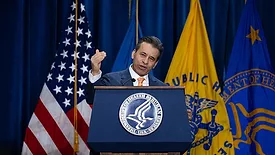
Marty Makary, M.D., has been ousted as FDA Commissioner. He will reportedly be replaced by the agency’s Deputy Commissioner for Human Foods, Kyle Diamantas, J.D.
This article discusses what the recently released Dietary Guidelines for Americans 2025–2030 say about "highly processed foods" and the food packaging concerns associated with such foods.
Piloting of these assessments began in April and will continue through fiscal year 2026 at facilities across FDA inspectorates, including human and animal foods. The assessments are short, focused screening assignments that complement standard FDA inspections.
Responding to growing consumer and regulatory demand for “natural” foods, the decision builds on Aldi’s removal of 13 synthetic colorants from its portfolio more than ten years ago. The grocer announced this ban while Congress, states, and industry debate ingredient oversight.
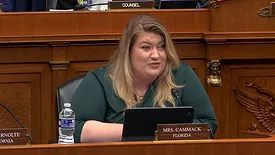
The E. coli outbreak involving Raw Farm unpasteurized dairy products has ended with one raw cheese sample matching isolates from a different 2025 outbreak. In an April 29 hearing, Congresspeople questioned whether U.S. Health Secretary Kennedy influenced FDA’s failure to mandate a recall.
In an April 29 Congressional hearing considering 28 active food safety bills, U.S. Representatives and witnesses from industry and consumer protection groups debated federal preemption of state food safety laws, GRAS and chemical ingredient oversight, and FDA–state
information-sharing during outbreaks.
Samples were tested for arsenic, cadmium, lead, mercury, PFAS, pesticides, and phthalates/plasticizers. When toxic heavy metals were detected in some samples, it was at levels far below EPA drinking water limits.
The Federal and State Food Safety Information Sharing Act of 2026 would give FDA the authority to shareinformation with state and local regulatory agencies with shared responsibility for protecting public health.
The draft bill proposes sweeping reforms to FDA’s food safety oversight, including GRAS process changes, infant and baby food safety provisions, and federal preemption of state laws. Consumer groups say the FRESH Act’s GRAS reforms and federal preemption language would weaken U.S. food safety.
 RSS
RSS