As part of its “Deregulatory Plan,” FDA is revoking, or will revoke, 52 “obsolete and unnecessary” food Standards of Identity (SOIs) for canned fruits and vegetables, dairy products, baked goods, macaroni products, and other foods. FDA published a direct final rule and two proposed final rules on the subject.
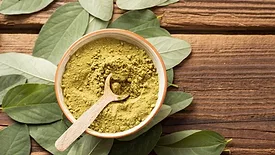
FDA has shared concern about the growing number of edible products containing kratom available for sale online and at retailers like gas stations and smoke shops across the U.S. It has issued warning letters to seven companies for illegally marketing gummies, drinks, and tablets containing the kratom-derived concentrate 7-OH, a “novel, potent opioid.”
The Senate Committee on Appropriations has approved the Fiscal Year (FY) 2026 Agriculture, Rural Development, Food and Drug Administration (FDA), and Related Agencies Appropriations Act, which would restore some FDA funding and address some effects of the Trump Administration on the agency.
Following FDA’s announcement of its intent to end the use of artificial food colorants—largely by relying on voluntary action by industry—the agency has authorized a fourth petition for a naturally sourced food dye, Gardenia Blue. FDA is also reminding industry that even “natural” colorants must be approved by the agency.
U.S. Representatives have reintroduced the Food Chemical Reassessment Act of 2025 to Congress, which would require FDA to reevaluate the safety of chemicals—including “Generally Recognized as Safe” (GRAS) substances, food dyes, and food contact substances—every three years.
FDA has outlined a list of actions it intends to take to improve the timeliness and transparency of food product recalls. The agency specifically called on the infant formula and baby food industry to cooperate in “creating a collaborative transformation in how we manage and communicate food recalls.”
FDA recently published a final guidance for industry to describe and answer questions about FDA’s use of remote regulatory assessments (RRAs) to oversee and assure compliance of FDA-regulated products, outside of the COVID-19 pandemic.
FDA’s Human Foods Program has published a proposed agenda for guidance document work to be advanced in 2025, prioritizing opiate alkaloids on poppy seeds, the use of food coloring from natural sources, and new dietary ingredient (NDI) notifications, among other topics.
USDA-FSIS released a notice in late June that it plans to extend its H5N1 Influenza A Dairy Cow Testing Program until September 30. Meanwhile, the EU released a new guidance document on preparedness, prevention, and response for avian flu in animals and food.