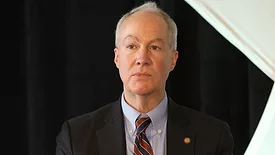
Elizabeth Andoh-Kesson, Interim Director of GFSI, says that as climate-related food risks grow, businesses cannot simply rely on a reactive approach to food safety.
TrackAssure captures lot-level records as a byproduct of daily operations, automatically generates FSMA 204-compliant documentation, and delivers audit-ready reports on demand.
Dr. Prater is taking over the position as the previous Deputy Commissioner for Human Foods, Kyle Diamantas, is elevated to the FDA Commissioner role, replacing Dr. Marty Makary.
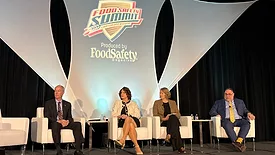
On Thursday morning, officials from FDA, USDA-FSIS, CDC, and AFDO took the stage at the 2026 Food Safety Summit Town Hall to talk about the current developments and priorities at their respective agencies.
In a new peer-reviewed article, researchers make a case for linking data from both routine foodservice establishment inspections and foodborne illness surveillance, while acknowledging existing challenges, like inconsistent adoption of FDA’s Food Code and electronic data collection systems.
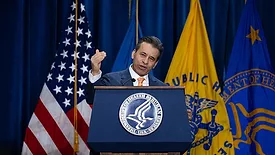
Marty Makary, M.D., has been ousted as FDA Commissioner. He will reportedly be replaced by the agency’s Deputy Commissioner for Human Foods, Kyle Diamantas, J.D.
This article discusses what the recently released Dietary Guidelines for Americans 2025–2030 say about "highly processed foods" and the food packaging concerns associated with such foods.
Drawing from EFSA risk assessments, OpenFoodTox provides structured summaries of hazard information for thousands of individual substances, including food additives and flavorings, pesticides, contaminants, and food contact materials.
 RSS
RSS