Ahead of World Food Safety Day, FAO and WHO have introduced a Food Safety Roadmap Development Tool and an online learning course on Codex-aligned risk assessments, supporting competent authorities and other stakeholders seeking to utilize science and data to improve national food safety systems.
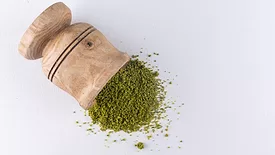
The agency has also reopened a previously closed Salmonella outbreak investigation linked to powdered moringa supplements, with 22 new reported illnesses in four additional states.
The agency has released a discussion paper offering context and questions about the lot-level tracking requirements of the Food Traceability Rule to help shape engagements with industry, including a virtual public meeting in June.
The updated compliance program for pesticide residues includes a new focus on risk-based sampling of foods commonly consumed by young children and reflects procedural changes to the laboratory testing and analysis methods.
On May 26, Vermont Governor Phil Scott signed into law two bills related to food chemical safety; specifically, the nation’s first state-level ban on paraquat (H.739) and legislation setting heavy metals testing and disclosure requirements for baby food manufacturers (H.536).
Highlighting contaminated seafood as a particular concern, the Destruction of Hazardous Imports Act answers FDA’s request for the authority to destroy food imports that do not pass safety inspections at the border, preventing importers from “port shopping” their unsafe products.
FDA published a literature review on the eight phthalates currently approved for food contact uses to determine whether they should be considered chemically and/or pharmacologically related for the purpose of cumulative risk assessment.
Each food processor, ingredient manufacturer, beverage manufacturer, or food hander should develop, document, implement, and maintain a program that focuses on how to prepare for and deal with an audit.
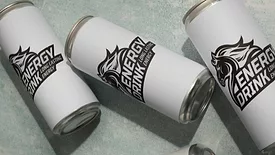
Due to the increased consumption of energy drinks and other caffeinated products among young people, the Swedish National Food Agency (Livsmedelsverket) is introducing dietary guidelines for children and adolescents' caffeine consumption.
Young child formula, commonly referred to as “toddler milk,” is widely marketed for use in young children’s diets. FSANZ assessments indicate there is a need for greater regulatory clarity to ensure product composition, labeling, and representation consistency.
 RSS
RSS