The proposal would expand the Threshold of Regulation (TOR) exemption to include food additives and ingredients, which would allow chemicals to enter the U.S. food supply without oversight if they meet TOR criteria. TOR submissions only require minimal data rather than comprehensive safety evidence.
The Baby Food Protection Act aims to set enforceable limits for total arsenic, lead, cadmium, and mercury, as well as a state testing program and labeling requirements for manufacturers.
The Food Standards Australia New Zealand (FSANZ) Board approved an application to permit the use of cell-cultured duck biomass in combination with other ingredients to make products such as foie gras and pâté.
In this episode of Food Safety Matters, we discuss how food companies can move beyond audit preparation to achieve continuous audit readiness, including gap assessments, identifying systemic issues, strengthening accountability and culture, Lean Six Sigma, meaningful KPIs, supporting sustainable operational excellence.
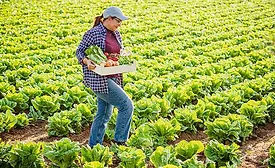
Taylor Farms outlined actions it is taking to enhance food safety following the historic cyclosporiasis outbreak linked to its lettuce. The same day, Consumer Reports sent a letter to FDA requesting answers about why its outbreak response was “hindered by notable delays and a lack of transparency.”
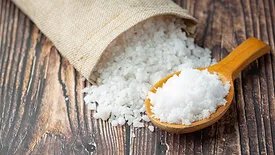
A final rule now permits the use of salt substitutes in foods with standards of identity (SOI) that specify salt (sodium chloride) as a required or optional ingredient.
Under the draft policy, FDA would not enforce requirements for retailers and restaurants selling less than $1 million worth of food in a three-year period. FDA will also hold a public meeting to discuss potential flexibilities related to Traceability Lot Codes, Key Data Elements, and other issues.
The latest Annual Report from the Office of Coordinated Outbreak Response, Evaluation, and Emergency Preparedness (CORE+EP) summarizes its response to outbreaks and adverse events associated with FDA-regulated human foods, and details notable incidents.
FDA found Indonesia’s Cs-137 import certification program for shrimp and spices, launched because cesium-contaminated shipments of shrimp and spices were detected in the U.S., “substantially meets requirements” after the certifying entities corrected deficiencies identified through an in-country assessment.
Positive environmental samples were found on a farm and at a Taylor Farms of Mexico processing facility, which supplied the implicated lettuce distributed by Taylor Fresh Foods. The root cause of contamination was not found, however. FDA also announced ten actions to prevent future cyclosporiasis outbreaks.
 RSS
RSS