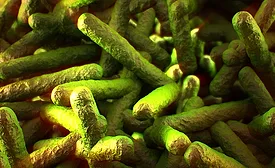
Participants argued that reductions in listeriosis will require implementation of fundamental preventive controls, true “seek and destroy” efforts, and risk-based approaches. Dose-response models suggesting that low contamination may confer low risk were also discussed.
A new web portal allows small and very small establishments regulated by USDA-FSIS to submit appeals outsideof the Public Health Information System, supporting efforts to improve service and reduce regulatory burden for small meat and poultry processors.
FDA recently proposed the most significant changes to its GRAS framework since 1958. For companies managing ingredient compliance, the proposed mandatory filing obligations raise questions about statutory authority, agency capacity, and whether its design matches its stated objectives.
A vehicle of illness has not yet been definitively confirmed, but according to UKHSA, epidemiological evidence points to egg consumption as the strongest food signal identified to date.
As a public health and medical practitioner, Dr. Overton does not have a background in food policy or food safety, but has held roles in both Trump administrations. She will replace Dr. Marty Makary, who parted ways with the agency in May.
Aligning with the agency’s priority of supporting agency in phasing out synthetic colorants from the food supply, the petitions seek expanded or new uses for gardenia (genipin) blue, safflower extract, and acetone-extracted carrot oil.
Many organizations continue to approach food safety primarily as a compliance exercise rather than as an embedded part of everyday operations. This article considers an approach where HACCP is treated as an active and evolving management system rather than an annual event.
Antimicrobial resistance (AMR) is recognized as a crucial threat to global public health. Antimicrobial use in animal agriculture can contribute to the emergence and spread of increasingly drug-resistant foodborne pathogens, impacting human medicine.
The legislation comes ahead of an impending end-of-year deadline set in the FY 2026 appropriations bill that is expected to remove most currently marketed intoxicating, hemp-derived THC beverages from the legal market by the end of 2026 through the closure of a loophole created by the 2018 Farm Bill.
The appropriations bill for FY 2026 prohibits FDA from using federal funds to implement FSMA 204 before the delayed July 2028 compliance date. Earlier implementation of the Traceability Rule could have enabled faster, more effective response to the ongoing cyclosporiasis outbreak linked to Taylor Farms lettuce.
 RSS
RSS