Recall activity in 2026 is sending a clear message that the industry is not facing isolated failures, but rather recurring breakdowns in the systems designed to prevent them. Manufacturers must prioritize four critical areas to minimize the risk of product contamination and recalls heading into 2027.
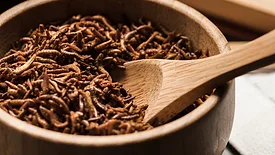
The findings highlighted the importance of considering rearing substrate composition when assessing the allergen safety and labeling of insect-based foods
Allergens are an unavoidable part of food processing, and effective control is key. Testing and control options are changing, with more technologies, test formats, and cleaning options available. How are food processors evaluating and choosing the options they use? This global survey of food processors seeks to find out.
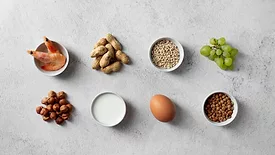
The bipartisan Food Allergy Safety, Treatment, Education, and Research (FASTER) Act of 2026 would amend FDA's major food allergen labeling requirements to include barley, rye, and oats alongside wheat, in an effort to mitigate "hidden" exposure to gluten for consumers with celiac disease and gluten intolerance.
The VITAL Program and VITAL Online identify allergens that require labeling consideration, whether due to intentional inclusion or cross-contact. The update includes changes to tree nut grouping and gluten-containing cereal labeling in line with Codex reference doses (RfDs).
Although the levels of gluten in analyzed samples fell below EU limits, the results from conventional ELISA tests differed from those of a new, more sensitive method. Combining established rapid testing methods with advanced mass spectrometry techniques could potentially improve future detection capabilities.
SnackPro, which helps users identify potential allergens in foods through image analysis, was developed by the father of a child with severe food allergies.
Breading mixtures may be reused for different foods in foodservice operations. An FDA-supported study found that both shrimp and cod allergens accumulate in reused breading and transfer to subsequent foods, although the cod cross-contact risk was much greater.
 RSS
RSS