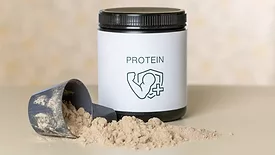
Mycotoxins, PAHs, and other contaminants were also detected. The researchers concluded that plant-based protein supplements may contain chemical contaminants from environmental exposure, agricultural practices, and processing. They called for systematic monitoring, improved controls, and optimization of processing conditions.
The commitment aligns with FDA’s and Secretary Robert F. Kennedy Jr.’s efforts to facilitate an industry-led, voluntary phase-out of synthetic FD&C-certified food dyes from the U.S. food supply.
Regulation (EU) 2026/1825 expands MLs for 3-monochloropropanediol (3-MCPD) and glycidyl fatty acid esters, and Regulation (EU) 2026/1890 establishes new MLs for furan, 2-methylfuran, and 3-methylfuran.
Acrylamide is a harmful contaminant that forms during thermal processing. An analysis of 17 years of EU RASFF data showed that UPFs accounted for 85 percent of related notifications. Cereals, baked goods, and potato chips were most frequently implicated.
According to the researchers, 1,222 FCCs are already known to be hazardous to human health, and more than 13,000 lack sufficient data to determine safety. Until adequate data become available, they proposed grouping FCCs based on chemical structure to help identify substances that may pose similar hazards.
Of the 21 popular packaged children’s snacks, 14 contained at least one contaminant at levels Consumer Reports considered concerning. Conversely, testing also showed generally low levels of heavy metals, and seven products had no contaminants above CR’s levels of concern.
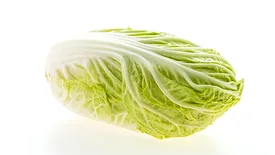
After an online video surfaced showing the illegal use of formaldehyde to preserve cabbage by a wholesaler, Chinese authorities launched an investigation, confirmed the practice, and ordered nationwide inspections of fresh produce.
Antimicrobial resistance (AMR) is recognized as a crucial threat to global public health. Antimicrobial use in animal agriculture can contribute to the emergence and spread of increasingly drug-resistant foodborne pathogens, impacting human medicine.
Importantly, the proposal would not establish a premarket review and approval process for GRAS substances. Companies could still independently conclude that a substance is GRAS and market it while FDA evaluates the notice.
Following the global infant formula recall linked to cereulide contamination, Elena Medo discusses vulnerabilities in infant formula supply chains, infant-specific food safety risks, surveillance gaps, donor milk safety, and the lessons regulators and manufacturers can take away from this unprecedented event.
 RSS
RSS