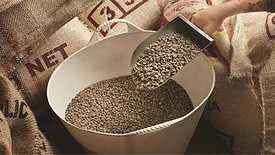
The study represents the first publication of a large FDA dataset on ochratoxin A (OTA) occurrence in U.S. foods. OTA was detected above the limit of detection in 3.5 percent of all samples (which were targeted based on their susceptibility to contamination).
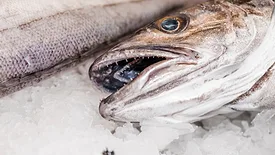
A new European Commission report identified inconsistencies in how EU Member States conduct official controls for histamine (scombrotoxin) in fishery products, highlighting gaps in inspection procedures, staff training, and harmonization of testing methods.
According to the researchers, treating PFAS as a single class of contaminants may overlook important differences in how individual compounds move through water systems and respond to remediation. Treatment strategies should be designed based on molecular structure, especially chain length.
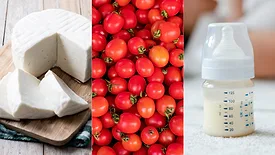
The Alert and Cooperation Network (ACN), which enables EU Member States to exchange information and coordinate responses to food safety incidents, processed a record 10,490 notifications. Notable incidents included a Listeria outbreak linked to French cheese, Salmonella in Italian tomatoes, and cereulide in infant formula.
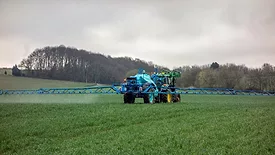
The ruling in the case Monsanto v. Durnell shields pesticide manufacturers like Bayer–Monsanto, the maker of glyphosate-based Roundup, in failure-to-warn lawsuits. A legal expert explained to Food Safety Magazine how this decision potentially weakens state right-to-know chemical health warning laws like California's Proposition 65.
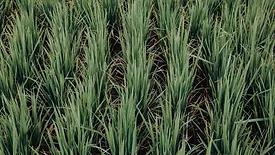
The Arkansas-based study showed that repeated mid-season soil aeration events significantly reduced arsenic concentrations in rice grain without increasing cadmium levels, providing field-scale evidence that water management can help mitigate arsenic accumulation.
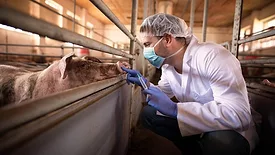
Overuse or misuse of antimicrobials and improper disposal of antimicrobials in the agri-food system may result in food and environmental contamination and contribute to the global rise of AMR.
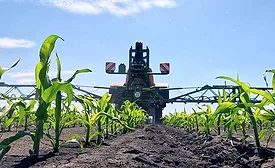
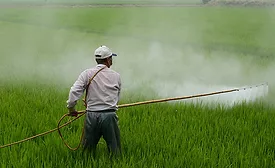
The Paraquat Prevention Act would cancel all EPA-registered uses of the herbicide and permanently prohibit its reregistration. More than 70 countries, including the EU and China, have banned the domestic use of paraquat, although China still manufactures and exports the chemical to the U.S.
Wageningen University researchers developed a hybrid machine learning modeling framework that considers crop growth stages, various future scenarios, and a large geographic region. The model predicted deoxynivalenol will present the greatest risk, with coastal countries, the UK, and northern France most affected.
 RSS
RSS