Potential uses include pathogen and chemical hazard detection, food fraud identification, outbreak surveillance, risk forecasting, and regulatory decision-making. Barriers to wider adoption remain, such as data quantity, quality, and accessibility; confidentiality; and transparency.
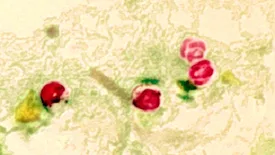
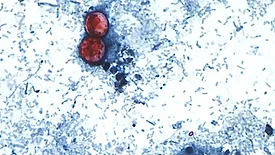
Cases decreased by 27.2 percent from the previous year. Although Cryptosporidium can be transmitted through routes other than food, the parasite can enter the food supply through contaminated irrigation water and contact with excrement during cultivation, harvesting, and handling.
There are an additional six cyclosporiasis outbreaks under investigation and thousands more Cyclospora cases reported by CDC and states. Two deaths have been reported. Stakeholders are urging an end to the Food Traceability Rule delay.
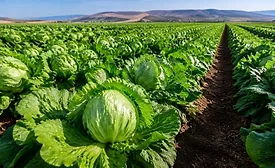
The appropriations bill for FY 2026 prohibits FDA from using federal funds to implement FSMA 204 before the delayed July 2028 compliance date. Earlier implementation of the Traceability Rule could have enabled faster, more effective response to the ongoing cyclosporiasis outbreak linked to Taylor Farms lettuce.
Four Salmonella Enteritidis ST11 outbreaks identified in France between May and July 2026 were linked to homemade egg-based foods and traced to a common egg distribution network in Poland. The same Polish food group was implicated in another multinational salmonellosis outbreak in 2016–2020.
The microbiological quality of most ready-to-eat (RTE) plant-based meat, dairy, and fish substitutes was satisfactory, but elevated levels of pathogens and indicators in some commodities raised process and hygiene concerns. An analysis of the products’ physico-chemical properties suggested they could support microbial growth.
To fulfill their governance responsibilities, boards require regular, high-quality reporting that translates technical food safety issues into business risk terms
Food safety, once considered the responsibility of technical and production functions, should be recognized as a company-wide, end-to-end business imperative. At the same time, food safety risk management is becoming increasingly complex and represents a growing threat to food companies, andshould be regularly addressed by the Board of Directors.
Automated, risk-tiered supplier monitoring does not prevent an outbreak (like this summer's cyclosporiasis event) or replace the traceback work done by FDA and CDC, but it can change how fast and how precisely a distributor can act while that investigation unfolds.
The recent Cyclospora outbreak linked to shredded iceberg lettuce is a reminder of just how difficult modern foodborne outbreak investigations have become. In reality, food safety investigations rarely depend on a single "smoking gun." The future of ensuring food safety lies not in simply improving any one test or technology, but in integrating them into a comprehensive decision-support system.
Taking a page out of the pharmaceutical industry's pharmacovigilance playbook, this article discusses why Food Safety and Quality Assurance (FSQA) teams need to monitor product performance after reformulation or process changes—and how to start.
 RSS
RSS