In a new report, FAO assessed mycotoxin contamination in food and feed across the region and highlighted disparities in national regulatory frameworks, laboratory capacities, and surveillance systems, as well as the increasing impact of climate change on contamination risks.
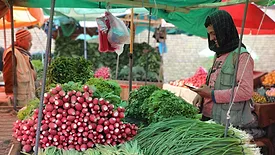
According to the review, microbiological and chemical food safety hazards in the country are exacerbated by inadequate water and sanitation infrastructure, limited regulatory oversight, and food insecurity.
Supported by the Center for Produce Safety (CPS), Cornell researchers are developing a quantitative microbial risk assessment (QMRA) model to evaluate how quality defects affect Listeria and E. coli growth on produce, helping identify effective interventions and improve processes.
A strong food safety culture means maintaining the same standards whether or not an auditor is watching. Unannounced audits can help reinforce that expectation across an organization.
FDA tested 195 samples from 2022–2025. No violations were identified among domestic samples, but 4.5 percent of imported samples showed evidence of economically motivated adulteration.
The reviewed studies reported B. cereus contamination in different foods at rates ranging from approximately 15 percent to more than 70 percent. In a study focused on Burkina Faso, B. cereus was detected in 42 percent of tested infant cereals.
Artificial intelligence offers new opportunities across food safety operations, but successful adoption depends on reliable data, digital readiness, workforce preparation, and appropriate oversight.
Hundreds of grocery stores in France were targeted by a cyberattack in which hackers raised fridge temperatures to as high as 50 °C (122 °F), leading to mass food spoilage and several fires. Some retailers in several other European countries were also hit.
In this episode of Food Safety Matters, we discuss how food companies can move beyond audit preparation to achieve continuous audit readiness, including gap assessments, identifying systemic issues, strengthening accountability and culture, Lean Six Sigma, meaningful KPIs, supporting sustainable operational excellence.
WHO and FAO convened 352 participants from more than 40 countries to strengthen multisectoral food safety emergency response planning in Africa and the Middle East, covering emergencies like natural disasters, humanitarian emergencies, and food supply chain disruptions.
 RSS
RSS