Researchers Describe Significant Food Safety Risks, Regulatory Gaps in Afghanistan
A new review of foodborne disease risks in Afghanistan has highlighted the country's significant burden of microbiological and chemical food safety hazards, exacerbated by inadequate water and sanitation infrastructure, limited regulatory oversight, and widespread food insecurity.
The study, published in Food Safety and Health, was conducted by researchers from Helmand University and Afghanistan National Agricultural Sciences and Technology University. Drawing on available epidemiological data, outbreak reports, and scientific literature from 2000–2025, the researchers examined foodborne hazards, weaknesses in Afghanistan's food safety system, and opportunities for improvement.
The researchers emphasized that the true burden of foodborne illness in Afghanistan remains largely unknown due to inadequate disease surveillance, limited laboratory diagnostic capacity, and underreporting.
Microbiological Hazards Worsened by Poor Sanitation Infrastructure
According to the review, major microbiological hazards in Afghanistan include Escherichia coli, Salmonella, Shigella, Campylobacter, Vibrio cholerae, rotavirus, and intestinal parasites. Zoonotic diseases, particularly brucellosis and Q fever, also present significant risks associated with livestock contact and consumption of unpasteurized dairy products.
The researchers cited World Health Organization (WHO) surveillance data documenting 173,482 diarrheal cases and 88 associated deaths in Afghanistan during 2024.
Poor water, sanitation, and hygiene (WASH) infrastructure was identified as a major contributor to foodborne disease transmission. According to the review, only 33.54 percent of Afghanistan's population had access to combined WASH facilities in 2022, the lowest coverage among the compared South Asian countries.
Chemical Hazards and Climate Change
Chemical food safety hazards included mycotoxins, heavy metals, pesticide residues, and naturally occurring plant toxins. The researchers highlighted a 2008 outbreak of hepatic veno-occlusive disease associated with wheat flour contaminated by pyrrolizidine alkaloids, which resulted in 67 identified cases.
Looking for quick answers on food safety topics?
Try Ask FSM, our new smart AI search tool.
Ask FSM →
Climate change was also identified as an emerging food safety concern, with rising temperatures, drought, and deteriorating groundwater quality potentially increasing microbial and chemical contamination risks.
Weak Regulation, Other Factors Compound Risks
The review identified significant weaknesses in Afghanistan's food safety regulatory framework, including overlapping institutional responsibilities, inadequate enforcement, limited laboratory capacity, and the absence of a comprehensive national food safety law.
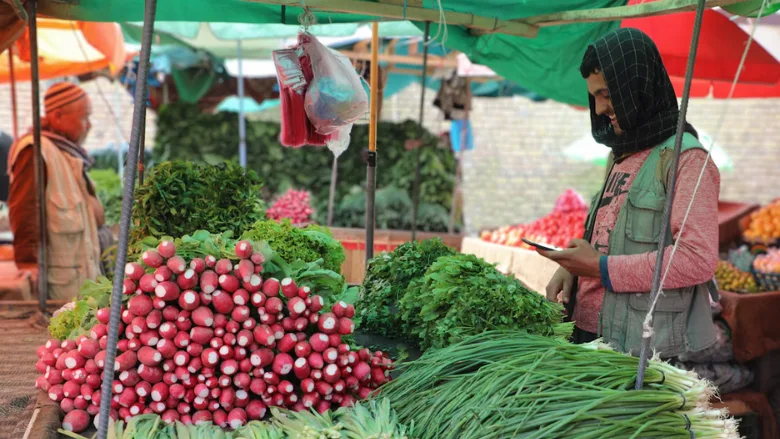
These challenges are compounded by the prevalence of informal food markets, where inadequate temperature controls, limited veterinary inspection, and poor hygiene practices increase contamination risks.
Additionally, the researchers emphasized the relationship between food insecurity, malnutrition, and foodborne illness, particularly among children under five and internally displaced populations.
To address these challenges, the researchers recommended strengthening foodborne disease surveillance and laboratory capacity, establishing and enforcing unified food safety legislation, improving WASH infrastructure, and adopting a multisectoral One Health approach integrating human, animal, and environmental health.
The researchers also called for improved monitoring of microbial and chemical contaminants in food, greater regional cooperation, and integration of food safety considerations into climate adaptation strategies.