Food Safety
search
Ask Food Safety AI
cart
facebook twitter linkedin instagram youtube
  • Sign In
  • Join Today
  • Sign Out
  • My Account
Food Safety
  • NEWS
    • Latest News
    • Food Safety Five Newsreel
  • PRODUCTS
  • TOPICS
    • Contamination Control
    • Food Types
    • Management
    • Process Control
    • Regulatory
    • Sanitation
    • Supply Chain
    • Testing and Analysis
  • PODCAST
  • EXCLUSIVES
    • eBooks
    • Sponsored Insights
    • Sponsored White Papers
    • FSM Distinguished Service Award
    • Interactive Product Spotlights
    • Videos
  • MORE
    • BUYER'S GUIDE
    • NEWSLETTERS >
      • Archive Issues
      • Subscribe to eNews
    • Store
    • ASK FSM AI
  • WEBINARS
  • FOOD SAFETY SUMMIT
  • FSM FEATURES
    • FSM Features Collection
    • eMag Archives
    • Editorial Advisory Board
    • Contact
    • Advertise
  • JOIN
NewsContamination ControlManagementRegulatoryInternationalChemical ControlMicrobiological ControlInternational Standards/Harmonization

FAO Identifies Five Priorities for Strengthening Mycotoxin Control in Near East, North Africa
By Food Safety Magazine Editorial Team
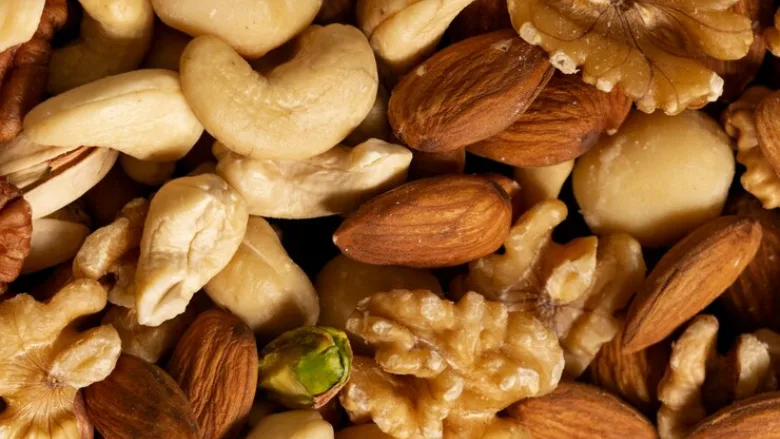
assorted nuts
Image credit: Magnific
October 23, 2026

The Food and Agriculture Organization of the United Nations (FAO) has published a new report examining mycotoxin contamination in food and feed across the Near East and North Africa (NENA), highlighting disparities in regulatory frameworks, laboratory capacity, and surveillance systems, as well as the growing influence of climate variability on contamination risks.

The report provided an evidence-based assessment of mycotoxin prevalence, regulatory frameworks, monitoring systems, laboratory capacity, trade implications, and climate-related drivers across the region. The authors synthesized available data from peer-reviewed literature, official reports, and international databases to identify regional patterns, priority gaps, and opportunities for strengthening food control systems.

Mycotoxins are naturally occurring toxic compounds produced by fungal species such as Aspergillus, Penicillium, and Fusarium. They can contaminate a range of commodities, including cereals, nuts, spices, dairy products, and animal feed, and exposure may result in acute and chronic adverse health effects.

Key Findings on Mycotoxin Prevalence in Food and Feed

According to the report, aflatoxins, ochratoxin A, fumonisins, deoxynivalenol (DON), and zearalenone (ZEN) were the most frequently reported mycotoxins in food and feed commodities across the NENA region.

Contamination patterns varied considerably between countries and commodities, influenced by climatic conditions, storage practices, dependence on food imports, and national regulatory capacity.

Data on emerging mycotoxins, including enniatins and beauvericin, remained limited. FAO highlighted the need for expanded surveillance and coordinated research to better understand the occurrence, exposure levels, and potential health implications of these compounds.

Disparities in Mycotoxin Regulations and Monitoring Capacity

The report identified significant differences in mycotoxin regulations and food control capacities across the region.

Looking for quick answers on food safety topics?
Try Ask FSM, our new smart AI search tool.
Ask FSM →

Although several NENA countries have established maximum limits for mycotoxins and implemented monitoring systems, disparities persisted in regulatory implementation, laboratory infrastructure, and enforcement mechanisms.

The report also examined the alignment of national regulations with international standards established by the FAO/World Health Organization (WHO) Codex Alimentarius Commission. Differences in national regulatory requirements and enforcement capacities may contribute to trade disruptions, including the rejection of contaminated food shipments at international borders.

FAO emphasized the importance of strengthening national food control systems, improving laboratory capacity, and promoting harmonized regulatory approaches aligned with international standards to facilitate safe trade and protect public health.

Climate Change May Increase Mycotoxin Contamination Risks

Climate variability was highlighted in the report as an increasingly important factor influencing mycotoxin occurrence, particularly in cereal-producing countries.

Changing temperatures, precipitation patterns, and humidity levels can influence fungal growth and mycotoxin production, creating additional challenges for agricultural production, food storage, and food safety management.

According to FAO, adaptive risk management strategies, strengthened surveillance systems, and improved post-harvest practices are essential to mitigating these risks.

FAO Identifies Priorities for Strengthening Mycotoxin Control

Based on its assessment, the report identified five strategic priorities for improving mycotoxin risk management across the NENA region:

  • Strengthening national food control systems to improve the prevention, detection, and management of mycotoxin contamination
  • Enhancing laboratory capacity and regional proficiency testing to support reliable mycotoxin detection and analysis
  • Improving data generation and risk assessment for both regulated and emerging mycotoxins
  • Promoting harmonized regulatory approaches aligned with international food safety standards
  • Integrating mycotoxin risk management into broader food safety and climate adaptation strategies.

Overall, the report emphasized the need for coordinated regional action, evidence-based policymaking, and targeted investments in food safety infrastructure.

FAO concluded that strengthening mycotoxin risk management would support public health protection, enhance food security, facilitate safe trade, and contribute to more resilient food systems throughout the NENA region.

KEYWORDS: Africa Asia FAO mycotoxins

Share This Story

Fsm purple logo 200x200

The Food Safety Magazine editorial team comprises Bailee Henderson, Director of Content Strategy and news editor ✉, and Adrienne Blume, M.A., Director of Editorial and Industry Engagement.

Recommended Content

JOIN TODAY
to unlock your recommendations.

Already have an account? Sign In

  • people holding baby chicks

    Serovar Differences Matter: Utility of Deep Serotyping in Broiler Production and Processing

    This article discusses the significance of Salmonella in...
    Contamination Control
    By: Nikki Shariat Ph.D.
  • woman washing hands

    Building a Culture of Hygiene in the Food Processing Plant

    Everyone entering a food processing facility needs to...
    Personal Hygiene/Handwashing
    By: Richard F. Stier, M.S.
  • graphical representation of earth over dirt

    Climate Change and Emerging Risks to Food Safety: Building Climate Resilience

    This article examines the multifaceted threats to food...
    Contamination Control
    By: Maria Cristina Tirado Ph.D., D.V.M. and Shamini Albert Raj M.A.
Manage My Account
  • Join Food Safety Magazine
  • Manage My Preferences
  • Customer Service

More Videos

Sponsored Content

Sponsored Content is a special paid section where industry companies provide high quality, objective, non-commercial content around topics of interest to the Food Safety Magazine audience. All Sponsored Content is supplied by the advertising company and any opinions expressed in this article are those of the author and not necessarily reflect the views of Food Safety Magazine or its parent company, BNP Media. Interested in participating in our Sponsored Content section? Contact your local rep!

close
  • pre-packaged salads, noodles, and prepared meals stocked on multi-tier grocery store refrigerator shelves
    Sponsored byCorbion

    How Many Days of Shelf Life Are You Leaving on the Table?

  • Top view portrait of two factory workers standing by conveyor belt during quality inspection at food production, copy space
    Sponsored byFlexXray

    Foreign Material By the Numbers: What the 2026 Benchmark Report Reveals

  • a conveyorized industrial metal detector system that appears to resemble a Loma Systems IQ4 Metal Detector setup with an integrated conveyor belt and control panel for food or package inspection.
    Sponsored byMettler Toledo

    Beyond Detection: How to Avoid Physical Contamination in Food Through a Smarter Inspection Strategy

Popular Stories

AI and Advanced Analytics eBook

eBook | AI and Advanced Analytics for Smarter Food Safety Management

dino nuggets and ketchup

WHO Proposes Food Profiling Model to Inform Regulation of Ultra-Processed Foods

man in suit inspector looking at documents in restaurant kitchen

FDA Issues 2026 Voluntary National Retail Food Regulatory Program Standards

AI and Advanced Analytics ebook

Events

November 17, 2026

Are You Getting the Most from Your Food Safety Testing?

Live: November 17, 2026 at 11:00 am EST: Attend this webinar to explore practical ways food processors can modernize sanitation verification and microbiological testing while keeping workflows simple and effective.

December 2, 2026

Beyond Surface Clean: Tackling Biofilms and Persistent Pathogens

Live: December 2, 2026 at 11:00 am EST: Attend this webinar to understand why chlorine dioxide is not chlorine, and what “ultra-pure” means for residues, byproducts, and effectiveness.

December 3, 2026

How to Use AI to Improve Workforce Training

Live: December 3, 2026 at 11:00 am EST: This webinar will cover best practices for reviewing, refining, and governing AI-generated training content for accuracy and consistency.

View All

Products

Global Food Safety Microbial Interventions and Molecular Advancements

Global Food Safety Microbial Interventions and Molecular Advancements

See More Products

Related Articles

  • pile of books next to globe showing near east and north africa

    FAO Establishing Regional Food Safety Innovation Hub for Near East, North Africa

    See More
  • NENA region on globe

    FAO Regional Network Maps Food Safety Needs for Near East and North Africa

    See More
  • efsa logo.png

    UK Lists Five Priorities for Hepatitis and Norovirus Research

    See More

Related Products

See More Products
  • 9781032369990 (1).webp

    Food Safety Quality Control and Management

  • 9781138070912.jpg

    Trends in Food Safety and Protection

  • 1119053595.jpg

    Food Safety for the 21st Century: Managing HACCP and Food Safety throughout the Global Supply Chain, 2E

See More Products

Related Directories

  • Food Radar Systems in Sweden AB

    Food Radar Systems, based in Sweden, develops microwave technology that detects and rejects low-density foreign bodies in pumpable food products, helping food manufacturers improve safety, protect consumers, and strengthen quality assurance in modern production environments.
  • NorthStar Automation

    The NorthStar WMS utilizing barcode scanning provides functionality for the food industry: 1.) Full traceability 2.) Lot control 3.) Allergen control 4.) Mock recall 5.) 60+ reports and KPIs 6.) FIFO, FEFO
×

Never miss the latest news and trends shaping the food safety industry

Newsletters | Website | FSM Features Collection

JOIN TODAY!
  • RESOURCES
    • Advertise
    • Contact Us
    • Directories
    • Store
  • JOIN TODAY
    • Create Account
    • FSM Features Collection
    • Newsletters
    • Customer Service
    • Manage Preferences
  • SERVICES
    • Marketing Services
    • Reprints
    • Market Research
    • List Rental
    • Survey/Respondent Access
  • STAY CONNECTED
    • LinkedIn
    • Facebook
    • Instagram
    • X (Twitter)
    • YouTube
  • PRIVACY
    • PRIVACY POLICY
    • TERMS & CONDITIONS
    • DO NOT SELL MY PERSONAL INFORMATION
    • PRIVACY REQUEST
    • ACCESSIBILITY

Copyright ©2026. All Rights Reserved BNP Media, Inc. and BNP Media II, LLC.

Design, CMS, Hosting & Web Development :: ePublishing