The research from Oregon State University also found that queso cotija supports L. monocytogenes survival but not growth, and that organic acid surface treatments could inhibit L. monocytogenes growth on queso fresco.
The three-year partnership will focus on driving food safety, sustainability, and resiliency, aligned with One Health principles, by leveraging advanced technological tools and science.
The findings emphasize the need for cereal manufacturers to optimize processing steps for each process contaminant, while also considering the effects on product quality.
Amid the ongoing global infant formula recall due to possible cereulide contamination, some countries have reported cases of mostly mild gastrointestinal illness in infants who had consumed infant formula, but confirming cereulide exposure is a challenge.
Although generally detected at low levels, mycotoxins were present in all plant-based meat alternative and beverage samples, suggesting that cumulative exposure may pose health concerns.
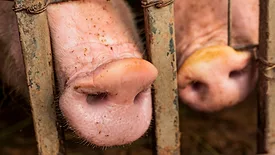
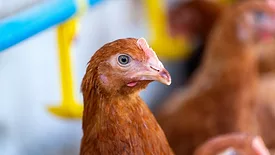
Establishments operating under the New Swine Slaughter Inspection System (NSIS) would be allowed to determine their own line speeds, and New Poultry Inspection System (NPIS) establishment line speeds would be raised.
Based on the largest database of detection rates yet compiled, new global foodborne diarrheal disease burden estimates will serve as inputs for WHO’s forthcoming updated, broader estimates on the global burden of foodborne diseases.
A high proportion of Campylobacter and Salmonella from food-producing animals across Europe are resistant to antimicrobials that are important to human medicine. Escherichia coli resistance to last-resort carbapenems is growing.
 RSS
RSS