U.S. Health Secretary Robert F. Kennedy Jr. has announced several appointments to his immediate management team at HHS, including FDA Deputy Commissioner for Human Foods Kyle Diamantas, reportedly to help advance food-related MAHA agenda items.
This episode of Food Safety Five discusses updated USDA-FSIS guidance on Listeria testing in RTE facilities, the latest on the Boar’s Head facility behind the fatal outbreak of 2024, and a real-world Listeria “Seek and Destroy” success story.
EFSA conducted a safety reevaluation for the sweetener sucralose, resulting in no change to the acceptable daily intake (ADI). EFSA also considered a proposed extension for the use of sucralose in fine bakery wares, but was unable to determine its safety.
In a recent 60 Minutes interview, U.S. Health Secretary Robert F. Kennedy Jr. said FDA will address the “generally recognized as safe” (GRAS) “loophole,” which allows ingredients into the food supply without FDA review, while saying he does not plan to regulate ultra-processed foods.
Potentially offering an effective natural control strategy in food production, a study demonstrated the ability of select essential oils to inactivate multidrug-resistant Campylobacter isolated from poultry and investigated the mechanisms of antibacterial action, while highlighting variability in essential oil potency and species-specific susceptibility.
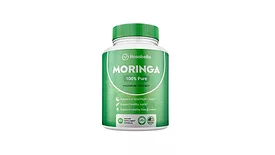
The moringa powder capsules are sold under the Rosabella brand name and are distributed by Ambrosia Brands LLC. The outbreak strain is resistant to all first-line and alternative antibiotics commonly recommended for salmonellosis treatment.
The National Academies of Sciences, Engineering, and Medicine (NASEM) has published a report on PFAS in agricultural systems to help guide USDA's response to the impacts of agricultural lands polluted by these “forever chemicals.”
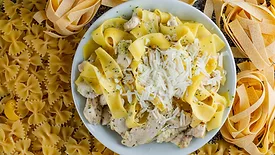
Affected products were sold under various brand names at numerous retailers. The products shared a single supplier of contaminated pasta, Nate’s Fine Foods Inc.
The paper reviews international frameworks and national and regional regulations. FAO recommends priority actions for national and regional authorities.
 RSS
RSS