A new publication from FAO analyzes existing regulatory frameworks related to online food sales and presents recommendations to national authorities on the development of food e-commerce laws and enforcement.
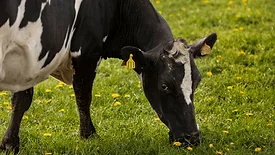
Antibodies for highly pathogenic avian influenza H5N1 (HPAI H5N1) have been detected in a Dutch dairy cow, indicating the animal was infected with the virus.
Responding to the global infant formula recall affecting products from Nestlé, Danone, and other producers, the European Food Safety Authority (EFSA) has determined concentrations of cereulide in formula that pose a safety concern to guide risk management decisions that protect public health.
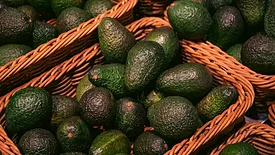
Dr. Alejandro Castillo is looking closely at Listeria contamination in the Mexican–U.S. avocado supply chain. Dr. Matt Taylor is working to help meat and poultry producers validate the microbial safety of their products and ensure regulatory compliance.
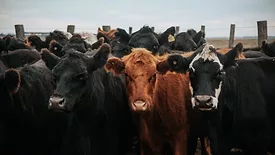
With the hope of developing a user-friendly model, a Center for Produce Safety-funded study is investigating factors that influence Escherichia coli contamination risks posed by concentrated animal feeding operations (CAFO) near produce growing fields.
The way people shop, cook, and seek information is evolving rapidly, and with it, the expectations placed on food safety educators, regulators, and industry partners.
Following a global recall of infant formula products due to cereulide toxin contamination, EU officials are taking steps to prevent illnesses from cereulide-tainted formula in the future. Cases of mild illness associated with recalled product have been reported in Europe.
The scientific opinion was published to provide a scientific basis for possible amendments to existing requirements in EU legislation for food business operators on the freezing of meat.
The document clarifies key points about the scope of and compliance with Regulation (EU) 2024/3190, which bans the use of BPA and other hazardous bisphenols in food contact materials on the EU market.
 RSS
RSS