Ahead of World Food Safety Day, FAO and WHO have introduced a Food Safety Roadmap Development Tool and an online learning course on Codex-aligned risk assessments, supporting competent authorities and other stakeholders seeking to utilize science and data to improve national food safety systems.
Researchers found that the sugar alcohol sorbitol can be turned into fructose, leading to fat accumulation in the liver. Gut bacteria may help protect against sorbitol-induced liver damage, but can be overwhelmed by excessive intake.
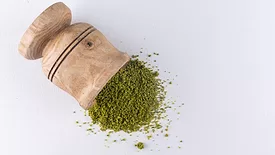
The agency has also reopened a previously closed Salmonella outbreak investigation linked to powdered moringa supplements, with 22 new reported illnesses in four additional states.
The agency has released a discussion paper offering context and questions about the lot-level tracking requirements of the Food Traceability Rule to help shape engagements with industry, including a virtual public meeting in June.
Notable pathogen–food commodity pairings emerged, including Clostridium botulinum and Alaskan traditional fermented meats and fish. The analysis was conducted by FDA and CDC researchers.
The updated compliance program for pesticide residues includes a new focus on risk-based sampling of foods commonly consumed by young children and reflects procedural changes to the laboratory testing and analysis methods.
On May 26, Vermont Governor Phil Scott signed into law two bills related to food chemical safety; specifically, the nation’s first state-level ban on paraquat (H.739) and legislation setting heavy metals testing and disclosure requirements for baby food manufacturers (H.536).
Studies funded by the Center for Produce Safety (CPS) are investigating ways to improve produce packinghouse brush sanitation, including the use of antimicrobial light and choosing the best time to replace brushes.
A new study demonstrated the efficacy of far-UV-C light at 222 nm for inactivating human norovirus on surfaces. As it is safe for humans, researchers believe UV-C 222 could enable real-time, continuous disinfection in enclosed foodservice settings and food processing environments.
Highlighting contaminated seafood as a particular concern, the Destruction of Hazardous Imports Act answers FDA’s request for the authority to destroy food imports that do not pass safety inspections at the border, preventing importers from “port shopping” their unsafe products.
 RSS
RSS