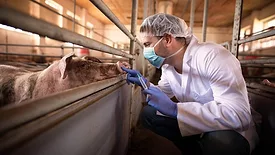
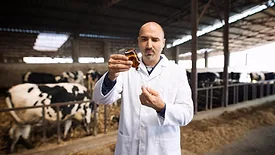
Overuse or misuse of antimicrobials and improper disposal of antimicrobials in the agri-food system may result in food and environmental contamination and contribute to the global rise of AMR.
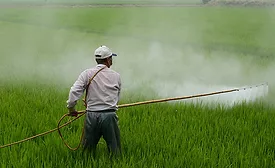
The Paraquat Prevention Act would cancel all EPA-registered uses of the herbicide and permanently prohibit its reregistration. More than 70 countries, including the EU and China, have banned the domestic use of paraquat, although China still manufactures and exports the chemical to the U.S.
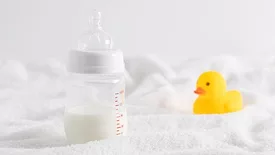
New ByHeart-commissioned research suggests that sulfite-reducing clostridia (SRC) enumeration, the “gold-standard” test for C. botulinum in powdered infant formula, which was used by Nara Organics prior to the ongoing outbreak, is insufficient. Experts who spoke to Food Safety Magazine agree C. botulinum should be considered as a foreseeable hazard requiring specific preventive controls.
Wageningen University researchers developed a hybrid machine learning modeling framework that considers crop growth stages, various future scenarios, and a large geographic region. The model predicted deoxynivalenol will present the greatest risk, with coastal countries, the UK, and northern France most affected.
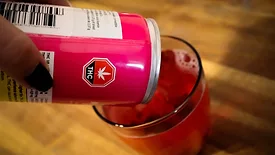
The 2018 Farm Bill legalized the sale of hemp-derived products containing no more than 0.3 percent delta-9 THC, allowing a “legal” edibles and beverage market to emerge. The 2025 government shutdown reconciliation bill closed this “loophole,” effective in November.
The action aligns with the wishes of FDA and U.S. Health Secretary RFK Jr. for industry to voluntarily phase out synthetic, petroleum-based dyes from the nation’s food supply.
Real-world data from meat processors show Clostridium perfringens is rarely detected in fully cooked meat and poultry products and remains uncommon even when deviations from USDA-FSIS Appendix B parameters are reported, challenging assumptions underlying regulatory limits for growth during stabilization.
As it stands, the bill would mandate that USDA provide guidance on HACCP plans to small and very small meat processors, require USDA and FDA to define “honey” and establish honey authenticity testing standards, and initiate other directives.
Scombroid toxin and ciguatoxin caused the greatest number of illnesses, hospitalizations, and death. Characterizing marine toxin outbreaks can help guide prevention efforts.
Citing concerns about antibiotic overuse in food-producing animals contributing to the spread of antimicrobial resistance (AMR), the petition calls for FDA to withdraw approvals for the routine use of medically important drugs for disease prevention.
 RSS
RSS