This episode of Food Safety Five covers a novel detection method for Clostridium botulinum and a potential new processing approach to mitigate contamination, as well as growing discussion around how C. botulinum should be handled in infant formula manufacturing, spurred by recent botulism outbreaks.
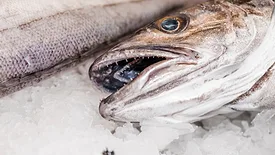
A new European Commission report identified inconsistencies in how EU Member States conduct official controls for histamine (scombrotoxin) in fishery products, highlighting gaps in inspection procedures, staff training, and harmonization of testing methods.
According to the researchers, treating PFAS as a single class of contaminants may overlook important differences in how individual compounds move through water systems and respond to remediation. Treatment strategies should be designed based on molecular structure, especially chain length.
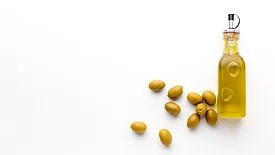
According to the Canadian Food Inspection Agency's (CFIA’s) 2024–2025Food Fraud Annual Report, CFIA tested 886 food samples for authenticity and conducted 362 label verifications. Olive oil had the lowest authenticity compliance rate.
The Danish Annual Report on Zoonoses summarizes trends in foodborne disease, zoonotic pathogens, and surveillance activities across humans, animals, food, and the environment.
New Zealand Food Safety has issued new guidance for verifying multi-site food businesses, establishing consistent onsite sampling recommendations for verifiers, intended to reduce costs and increase certainty for industry while ensuring food safety.
The Nuclear Energy Agency (NEA) recommendations were informed by lessons learned from the Chernobyl and Fukushima Daiichi incidents, which demonstrated that radioactive contamination of food can have long-lasting public health and economic consequences.
The Food Safety Authority of Ireland (FSAI) has published its first national risk ranking of microbiological foodborne hazards, which is intended to support risk-based food safety management by helping prioritize prevention, surveillance, and control efforts.
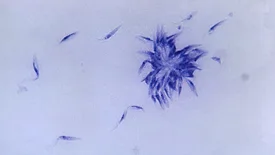
Although the overall global burden has decreased, persistent and increasing burdens from specific foodborne parasites and in certain regions warrant continued public health attention.
 RSS
RSS