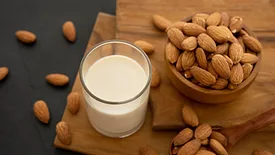
The findings from a pre-competitive, industry–academia research collaboration provide a scientific foundation for discussions on quality standards and risk management in the plant-based dairy-alternative beverage sector.
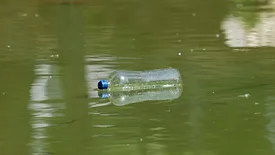
A new publication from the U.S. Government Accountability Office (GAO) examined the growing presence of microplastics in the environment and the human body, highlighting ongoing scientific uncertainty about their health effects while outlining recent federal efforts to better understand and reduce exposure.
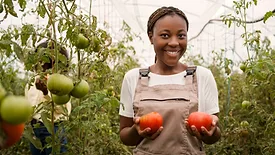
Developed by the University of New Hampshire and the University of Maine Extension with USDA-NIFA support, the peer-to-peer microlearning video series grew out of years of on-the-ground, individualized farm visits, hands-on technical assistance, and the trust that develops from working closely with a farmer.
Several senators have written letters to U.S. Health Secretary Kennedy urging Cyclospora surveillance to be restored to the FoodNet program. Experts say that FoodNet cuts, although problematic, did not cause the current outbreak.
The European Food Safety Authority (EFSA) lowered the acceptable daily intake for trifluoroacetic acid (TFA) to a quarter of the previously established level, and also set an acute reference dose for the chemical for the first time.
By the same time last year, CDC had only reported 249 confirmed, domestically acquired Cyclospora infections across the entire U.S. States’ reports may include both probable and confirmed cases.
Adding to a growing body of evidence that micro- and nanoplastics may enhance the virulence and persistence of pathogens in food and the environment, a new study found that nanoplastics may strengthen E. coli biofilms in drinking water systems and increase resistance to chlorine treatment.
This episode of Food Safety Five highlights new research on cold storage practices for fresh-cut produce, food safety perspectives among small-scale produce growers exempt from FDA's FSMA Produce Safety Rule, and water management strategies that reduce arsenic in rice.
 RSS
RSS