Health Canada has announced the transition of sports electrolyte products from the Natural Health Product (NHP) regulatory framework to the food regulatory framework.
With two proposed rules issued on May 18, the Trump EPA followed through on its stated intent to rescind or extend the compliance date for Biden-era drinking water limits for several “forever chemicals” of concern.
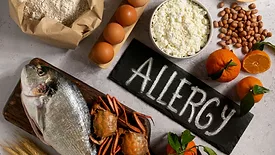
During the 49th Meeting of the Codex Committee on Food Labeling (CCFL49), guidelines on risk-based precautionary allergen labeling, labeling for multipack foods, and emergency flexible labeling were recommended for adoption. CCFL also declined a proposal to initiate work related to ultra-processed foods.
CDC has published a report summarizing the multistate enteric disease outbreaks it solved in 2024, of which 29 were foodborne, resulting in 1,533 illnesses, 519 hospitalizations, and 19 deaths.
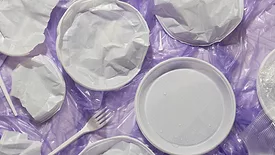
Chemical migration and microplastics shedding from recycled plastic food contact materials pose potential food safety concerns. Biopolymer risks are also not yet fully understood. The Codex Alimentarius Commission is considering developing guidance on recycled materials used in food packaging.
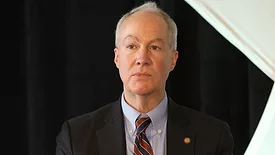
Dr. Prater is taking over the position as the previous Deputy Commissioner for Human Foods, Kyle Diamantas, is elevated to the FDA Commissioner role, replacing Dr. Marty Makary.
Breading mixtures may be reused for different foods in foodservice operations. An FDA-supported study found that both shrimp and cod allergens accumulate in reused breading and transfer to subsequent foods, although the cod cross-contact risk was much greater.
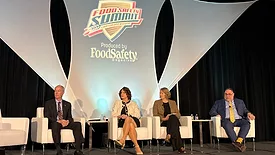
On Thursday morning, officials from FDA, USDA-FSIS, CDC, and AFDO took the stage at the 2026 Food Safety Summit Town Hall to talk about the current developments and priorities at their respective agencies.
Researchers achieved microbial reductions of 1.56–1.64 log CFU/cm2 by applying plasma-activated water and water–chemical solutions to dual-species E. coli biofilms on stainless steel, suggesting the technology’s potential as a sustainable, safe alternative to traditional sanitizer treatments.
 RSS
RSS