Food Safety
search
Ask Food Safety AI
cart
facebook twitter linkedin
  • Sign In
  • Create Account
  • Sign Out
  • My Account
Food Safety
  • NEWS
    • Latest News
    • White Papers
  • PRODUCTS
  • TOPICS
    • Contamination Control
    • Food Types
    • Management
    • Process Control
    • Regulatory
    • Sanitation
    • Supply Chain
    • Testing and Analysis
  • PODCAST
  • EXCLUSIVES
    • Food Safety Five Newsreel
    • eBooks
    • FSM Distinguished Service Award
    • Interactive Product Spotlights
    • Videos
  • BUYER'S GUIDE
  • MORE
    • ENEWSLETTER >
      • Archive Issues
      • Subscribe to eNews
    • Store
    • Sponsor Insights
    • ASK FSM AI
  • WEBINARS
  • FOOD SAFETY SUMMIT
  • EMAG
    • eMagazine
    • Archive Issues
    • Editorial Advisory Board
    • Contact
    • Advertise
  • SIGN UP!
NewsContamination ControlRegulatoryChemicalFDAInspectionInternational Standards/Harmonization

FDA Budget Constraints Lead to International Information-Sharing for Chemical Safety Reviews
By Bailee Henderson
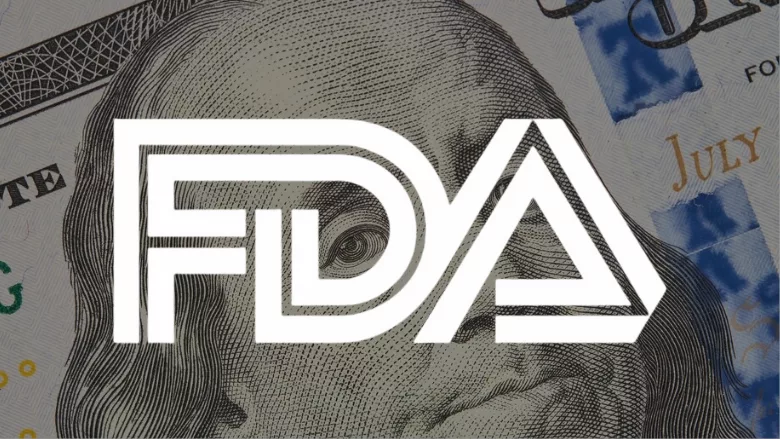
close-up of benjamin franklin face on US 100 dollar bill with FDA logo overlay

Image credit: ededchechine via Freepik

October 31, 2024

In an October 31, 2024 webinar hosted by the Alliance for a Stronger FDA, Jim Jones, Deputy Commissioner for Human Foods at the U.S. Food and Drug Administration (FDA), provided insight into the work and budget of the new Human Foods Program (HFP).

Mr. Jones overviewed the HFP Priority Program Deliverables for Fiscal Year (FY) 2025, which was published the day prior to the webinar and outlines the priority work objectives that FDA’s HFP intends to deliver upon within the next year. Read a detailed summary of the HFP FY 2025 Priority Program Deliverables here.

In a question-and-answer session, Mr. Jones provided new insights into the budgetary challenges of FDA’s HFP, and how these constraints affect HFP’s work.

Historically, surplus funds have been given to state public health agencies to conduct frontline inspections and other food safety work, but as of FY 2025, those surplus provisions will no longer be offered—resulting in what is effectively a 30 percent reduction in funds from FDA given to its state partners for food safety functions. When questioned about this budgetary challenge and how it will affect national food safety, Mr. Jones shared that FDA and state public health agencies are currently in discussions about how their limited funds could best be spent to ensure priority work is carried out. However, he also recognized that the challenge is regrettable, and shared that, although FDA is talking to appropriators and looking inside the agency for resources, he is “not optimistic” about the outcomes of either of those two strategies.

Aside from the reduction in available funding for state public health partners, which Mr. Jones called “budgetary shortfall number one,” he also mentioned other financial challenges affecting HFP’s three priority work areas, which include microbiological food safety, chemical safety, and nutrition. A major concern is the lack of money available to support FDA’s post-market chemical review efforts, an area which Mr. Jones says is “very under-resourced compared to what people hope [FDA] is able to do.”

However, he also expressed his confidence that assessments for several priority chemicals will be completed in FY 2025, and he shared that within the next couple of months, FDA’s list of chemicals under post-market review will include projected completion dates for the assessment of each substance.

Additionally, because FDA is so under-resourced, Mr. Jones said that the agency is collaborating with international and domestic regulatory and scientific counterparts like the European Food Safety Authority (EFSA), the California Environmental Protection Agency, Health Canada, Codex committees, and other authorities, to leverage chemical safety assessment work that has already been done. Such collaboration would not guarantee regulatory harmonization, said Mr. Jones, but it would help FDA to avoid starting from scratch on the assessments for many chemicals, and the agency would consider the data and findings of its regulatory counterparts.

A common criticism of FDA is that the agency permits chemicals in the U.S. food supply that are prohibited by EFSA and other regulatory agencies around the globe (for example, this point was made by lawmakers to support the recently passed California Food Safety Act, which bans some federally allowed food additives from foods sold or manufactured in the state of California). Although international collaboration is being pursued out of financial necessity, this criticism could be partially addressed in that the scientific research informing the regulatory decisions of other competent authorities will be considered in FDA’s chemical safety reviews.

Looking for quick answers on food safety topics?
Try Ask FSM, our new smart AI search tool.
Ask FSM →


KEYWORDS: budgets Human Foods Program

Share This Story

Baileehendersonmay23

Bailee Henderson is the Digital Editor of Food Safety Magazine. She can be reached at hendersonb@bnpmedia.com.

Recommended Content

JOIN TODAY
to unlock your recommendations.

Already have an account? Sign In

  • people holding baby chicks

    Serovar Differences Matter: Utility of Deep Serotyping in Broiler Production and Processing

    This article discusses the significance of Salmonella in...
    Meat/Poultry
    By: Nikki Shariat Ph.D.
  • woman washing hands

    Building a Culture of Hygiene in the Food Processing Plant

    Everyone entering a food processing facility needs to...
    Personal Hygiene/Handwashing
    By: Richard F. Stier, M.S.
  • graphical representation of earth over dirt

    Climate Change and Emerging Risks to Food Safety: Building Climate Resilience

    This article examines the multifaceted threats to food...
    Management
    By: Maria Cristina Tirado Ph.D., D.V.M. and Shamini Albert Raj M.A.
Manage My Account
  • eMagazine Subscription
  • Subscribe to eNewsletter
  • Manage My Preferences
  • Website Registration
  • Subscription Customer Service

More Videos

Sponsored Content

Sponsored Content is a special paid section where industry companies provide high quality, objective, non-commercial content around topics of interest to the Food Safety Magazine audience. All Sponsored Content is supplied by the advertising company and any opinions expressed in this article are those of the author and not necessarily reflect the views of Food Safety Magazine or its parent company, BNP Media. Interested in participating in our Sponsored Content section? Contact your local rep!

close
  • Salmonella bacteria
    Sponsored byThermoFisher

    Food Microbiology Testing Methods: Salmonella species

  • a diagram explaining indicator organisms
    Sponsored byHygiena

    How Proactive Listeria Testing Helps Prevent Six- and Seven-Figure Recalls

  • woman grocery shopping
    Sponsored byCorbion

    Designing Safety Into Every Bite: Proactive Risk Mitigation for Refrigerated Foods

Popular Stories

NRTE breaded stuffed chicken

USDA Indefinitely Delays Enforcement of Salmonella as Adulterant in Raw Breaded, Stuffed Chicken

digital map of europe

EU Publishes Food Fraud Tool Mapping Thousands of Cases Since 2016

non-conforming product

How to Handle Non-Conforming Product

Events

December 11, 2025

How to Develop and Implement an Effective Food Defense Strategy

Live: December 11, 2025 at 2:00 pm EDT: From this webinar, attendees will learn common areas where companies encounter challenges in their food defense strategies and how to address them.

May 11, 2026

The Food Safety Summit

Stay informed on the latest food safety trends, innovations, emerging challenges, and expert analysis. Leave the Summit with actionable insights ready to drive measurable improvements in your organization. Do not miss this opportunity to learn from experts about contamination control, food safety culture, regulations, sanitation, supply chain traceability, and so much more.

View All

Products

Global Food Safety Microbial Interventions and Molecular Advancements

Global Food Safety Microbial Interventions and Molecular Advancements

See More Products

Related Articles

  • $100 bill close up with FS5 logo

    Food Safety Five Ep. 2: How Budget Constraints May Influence FDA Food Chemical Safety Work

    See More
  • connected world

    An Information Sharing and Analysis Center for the Food and Agriculture Sector

    See More
  • baby food with food safety five logo watermark in corner

    Food Safety Five Ep. 6: FDA Sets Limits for Lead in Food for Babies and Children

    See More

Related Products

See More Products
  • 1119053595.jpg

    Food Safety for the 21st Century: Managing HACCP and Food Safety throughout the Global Supply Chain, 2E

  • 1119160553.jpg

    Food Safety: Innovative Analytical Tools for Safety Assessment

  • 1118396308.jpg

    High Throughput Analysis for Food Safety

See More Products

Related Directories

  • Share-ify

    Share-ify is the industry leading cloud platform for corporate compliance, food safety, and quality assurance. The Share-ify system offers customers a robust enterprise solution for data sharing, auditing, food safety, traceability, and product inspections between supply partners.
×

Never miss the latest news and trends driving the food safety industry

eNewsletter | Website | eMagazine

JOIN TODAY!
  • RESOURCES
    • Advertise
    • Contact Us
    • Directories
    • Store
    • Want More
  • SIGN UP TODAY
    • Create Account
    • eMagazine
    • eNewsletter
    • Customer Service
    • Manage Preferences
  • SERVICES
    • Marketing Services
    • Reprints
    • Market Research
    • List Rental
    • Survey/Respondent Access
  • STAY CONNECTED
    • LinkedIn
    • Facebook
    • Instagram
    • X (Twitter)
  • PRIVACY
    • PRIVACY POLICY
    • TERMS & CONDITIONS
    • DO NOT SELL MY PERSONAL INFORMATION
    • PRIVACY REQUEST
    • ACCESSIBILITY

Copyright ©2025. All Rights Reserved BNP Media.

Design, CMS, Hosting & Web Development :: ePublishing