Food Safety
search
Ask Food Safety AI
cart
facebook twitter linkedin instagram youtube
  • Sign In
  • Create Account
  • Sign Out
  • My Account
Food Safety
  • NEWS
    • Latest News
    • Sponsored Insights
    • Sponsored White Papers
  • PRODUCTS
  • TOPICS
    • Contamination Control
    • Food Types
    • Management
    • Process Control
    • Regulatory
    • Sanitation
    • Supply Chain
    • Testing and Analysis
  • PODCAST
  • EXCLUSIVES
    • Food Safety Five Newsreel
    • eBooks
    • FSM Distinguished Service Award
    • Interactive Product Spotlights
    • Videos
  • BUYER'S GUIDE
  • MORE
    • NEWSLETTERS >
      • Archive Issues
      • Subscribe to eNews
    • Store
    • ASK FSM AI
  • WEBINARS
  • FOOD SAFETY SUMMIT
  • EMAG
    • eMagazine
    • Archive Issues
    • Editorial Advisory Board
    • Contact
    • Advertise
  • SIGN UP!
NewsContamination ControlChemical Control

EFSA Assesses Risk of Grayanotoxins in Honey

honey dripping over a spoon

Credit: Pixabay via Pexels

March 3, 2023

The European Food Safety Authority (EFSA) has released data on the risks to human health posed by the presence of grayanotoxins in honey. The risk assessment was conducted following a request form the European Commission.

The study included all structurally related grayananes co-occurring with grayanotoxins in honey and other foods. Grayananes are a type of chemical produced by certain flower species. They can affect human muscles, the nervous system, and the cardiovascular system when ingested. Consuming grayananes may cause symptoms such as atrioventricular block, convulsions, mental confusion, agitation, syncope, and respiratory depression. The substance can accumulate in honey produced by honeybees that collect the nectar of flowering plants containing grayananes.

Some grayanane-producing plant species are used for commercial honey production, the most important being Rhododendron ponticum, R. luteum, and R. ferrugineum. These flower species are present in Türkiye, the Alps, and the Pyrenees. Additionally, Non-Rhododendron honey from Agarista salicifolia is associated with grayanane acute intoxications in humans on the French island of La Réunion.

Acute intoxications reported in the last decades from European countries are mainly associated with imported honey from Turkey or Nepal, but some have also been caused by honey from other countries. No intoxication cases have been reported for honey from the EU. Approximately 20 grayananes have been identified in or associated with honey.

Acute animal toxicity studies have shown cardiovascular effects, decreased respiratory rate, and impairment of the nervous system shortly after exposure to grayananes. Among these, blood pressure reduction and bradycardia were most representative of the symptoms of human intoxication. Additionally, known amounts of ingested Rhododendron honey associated with acute intoxication in humans vary, ranging from 5–150 grams of product with levels of grayanotoxin between 0.5–54 milligrams per kilogram (mg/kg). These cases resulted in symptoms with a rapid onset that affected the nervous and cardiovascular systems. Poisoning symptoms persisted between a few hours and a few days, with a typical 1–2 day full recovery.

EFSA was able to assess the health risk posed by grayanotoxins in honey using the margin of exposure (MOE) approach, which is a ratio of the dose at which measurable adverse effects are observed, and the level of exposure to a substance for a given population. A ratio above 10,000 indicates a low concern for consumers. The estimated MOEs for grayanotoxins in honey were below 100, therefore raising health concerns for acute toxicity.

EFSA estimates the highest concentration for grayanotoxins in honey that would not have effects on heart rate and blood pressure to be 0.05 mg/kg for toddlers, and EFSA is 75 percent certain that 0.05 mg/kg is protective for all age groups.

However, only a few of the more than 1,000 cases of intoxication that were retrieved in published literature provided quantitative information on the content of grayananes in the honey. Due to a general lack of reported data, more research is required to improve the risk assessment for humans and reduce uncertainties.


Looking for quick answers on food safety topics?
Try Ask FSM, our new smart AI search tool.
Ask FSM →


KEYWORDS: EFSA grayanotoxins honey risk assessment

Share This Story

Recommended Content

JOIN TODAY
to unlock your recommendations.

Already have an account? Sign In

  • people holding baby chicks

    Serovar Differences Matter: Utility of Deep Serotyping in Broiler Production and Processing

    This article discusses the significance of Salmonella in...
    Testing & Analysis
    By: Nikki Shariat Ph.D.
  • woman washing hands

    Building a Culture of Hygiene in the Food Processing Plant

    Everyone entering a food processing facility needs to...
    Management
    By: Richard F. Stier, M.S.
  • graphical representation of earth over dirt

    Climate Change and Emerging Risks to Food Safety: Building Climate Resilience

    This article examines the multifaceted threats to food...
    Best Practices
    By: Shamini Albert Raj M.A. and Maria Cristina Tirado Ph.D., D.V.M.
Manage My Account
  • eMagazine Subscription
  • Subscribe to Newsletters
  • Manage My Preferences
  • Website Registration
  • Subscription Customer Service

More Videos

Sponsored Content

Sponsored Content is a special paid section where industry companies provide high quality, objective, non-commercial content around topics of interest to the Food Safety Magazine audience. All Sponsored Content is supplied by the advertising company and any opinions expressed in this article are those of the author and not necessarily reflect the views of Food Safety Magazine or its parent company, BNP Media. Interested in participating in our Sponsored Content section? Contact your local rep!

close
  • an automated industrial production line used in a modern food factory
    Sponsored byIFC

    A Formula for Food Processing Pest Management

  • fly
    Sponsored byOrkin Commercial

    Fly Control in Food Processing Facilities: Managing Seasonal Food Safety Risks

  • Darkling Beetle
    Sponsored byElanco Animal Health

    Integrated Pest Management: Protecting Poultry Operations as Seasons Change

Popular Stories

U.S. Food and Drug Administration (FDA).

FDA to Hire 2,200 Staffers as it Narrows Search for Commissioner, Names Produce Safety Director

dry instant noodles pack

Salmonella-Contaminated Instant Noodles Sicken Dozens of Children Across Europe

naturally colored cupcakes with sprinkles

Natural vs. Artificial Ingredients in Baking: What Food Manufacturers and Consumers Need to Know

building a skilled workforce ebook

Events

July 21, 2026

Using AI Responsibly in Food Safety Management Systems

Live: July 21, 2026 at 2:00 pm EDT: This webinar will provide participants with guidance on how to effectively use generative artificial intelligence (AI) tools to develop key components of a food safety management system (FSMS).

August 6, 2026

Beyond Sanitation: Understanding the Hidden System Conditions That Allow Pathogens to Persist

Live: August 6, 2026 at 2:00 pm EDT: Attend this webinar to learn strategies for strengthening environmental control programs through a layered approach to pathogen management.

August 25, 2026

Don’t Wing It: Bird Control for Food Processing Facilities

Live: August 25, 2026 at 2:00 pm EDT: This webinar will cover why managing bird activity should be a priority for your business, the complexities involved in effective bird control, and proactive strategies to help protect your facility.

View All

Products

Global Food Safety Microbial Interventions and Molecular Advancements

Global Food Safety Microbial Interventions and Molecular Advancements

See More Products

Related Articles

  • EFSA Assesses Risk of Bacteria Spread During Animal Transport

    EFSA Assesses Risk of Bacteria Spread During Animal Transport

    See More
  • frozen ham

    EFSA Assesses Pathogen Growth in Frozen Meat Under Various Conditions

    See More

Related Products

See More Products
  • food safety.jpg

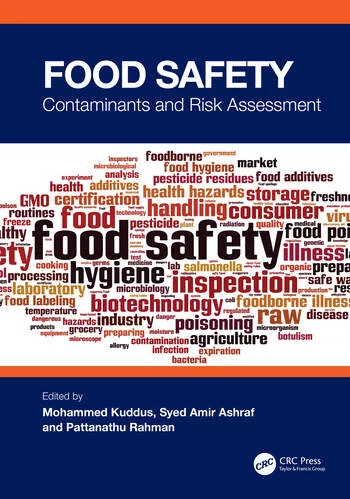
    Food Safety Contaminants and Risk Assessment

  • 1119071127.jpg

    Food Safety, Risk Intelligence and Benchmarking

  • 9781138070912.jpg

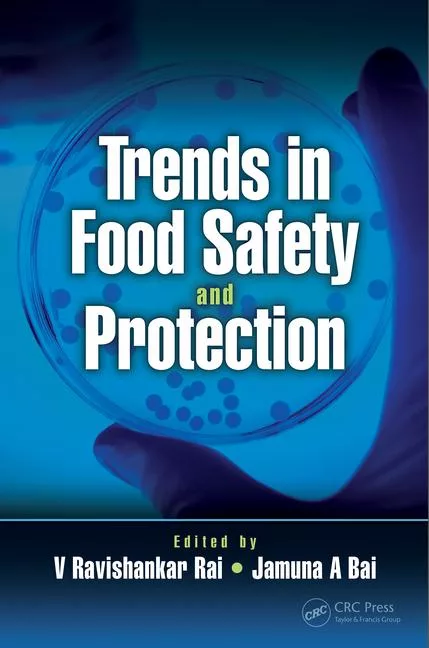
    Trends in Food Safety and Protection

See More Products

Events

View AllSubmit An Event
  • May 28, 2026

    Advanced Sanitation Strategies for Allergen Risk Reduction in Food Processing

    On Demand: From this webinar, attendees will learn why validation and verification are necessary for allergen control, and how analytical tools can support allergen management programs.
View AllSubmit An Event

Related Directories

  • Magnattack

    Specialists in foreign metal fragment control and magnetic separation for diverse industries, ranging from food and beverage processing to pharmaceuticals, plastics recycling, and chemical production. Magnattack offer powerful magnetic separation solutions and specialized services, including magnet validations and plant risk assessments.
  • Food Radar Systems in Sweden AB

    Food Radar Systems, based in Sweden, develops microwave technology that detects and rejects low-density foreign bodies in pumpable food products, helping food manufacturers improve safety, protect consumers, and strengthen quality assurance in modern production environments.
×

Never miss the latest news and trends driving the food safety industry

Newsletters | Website | eMagazine

JOIN TODAY!
  • RESOURCES
    • Advertise
    • Contact Us
    • Directories
    • Store
    • Want More
  • SIGN UP TODAY
    • Create Account
    • eMagazine
    • Newsletters
    • Customer Service
    • Manage Preferences
  • SERVICES
    • Marketing Services
    • Reprints
    • Market Research
    • List Rental
    • Survey/Respondent Access
  • STAY CONNECTED
    • LinkedIn
    • Facebook
    • Instagram
    • X (Twitter)
  • PRIVACY
    • PRIVACY POLICY
    • TERMS & CONDITIONS
    • DO NOT SELL MY PERSONAL INFORMATION
    • PRIVACY REQUEST
    • ACCESSIBILITY

Copyright ©2026. All Rights Reserved BNP Media, Inc. and BNP Media II, LLC.

Design, CMS, Hosting & Web Development :: ePublishing