Food Safety
search
Ask Food Safety AI
cart
facebook twitter linkedin instagram youtube
  • Sign In
  • Create Account
  • Sign Out
  • My Account
Food Safety
  • NEWS
    • Latest News
    • White Papers
  • PRODUCTS
  • TOPICS
    • Contamination Control
    • Food Types
    • Management
    • Process Control
    • Regulatory
    • Sanitation
    • Supply Chain
    • Testing and Analysis
  • PODCAST
  • EXCLUSIVES
    • Food Safety Five Newsreel
    • eBooks
    • FSM Distinguished Service Award
    • Interactive Product Spotlights
    • Videos
  • BUYER'S GUIDE
  • MORE
    • NEWSLETTERS >
      • Archive Issues
      • Subscribe to eNews
    • Store
    • Sponsor Insights
    • ASK FSM AI
  • WEBINARS
  • FOOD SAFETY SUMMIT
  • EMAG
    • eMagazine
    • Archive Issues
    • Editorial Advisory Board
    • Contact
    • Advertise
  • SIGN UP!
NewsRegulatorySupply ChainFDAFoodservice/Retail

Guidance on Food Safety Best Practices for Food Delivery Businesses
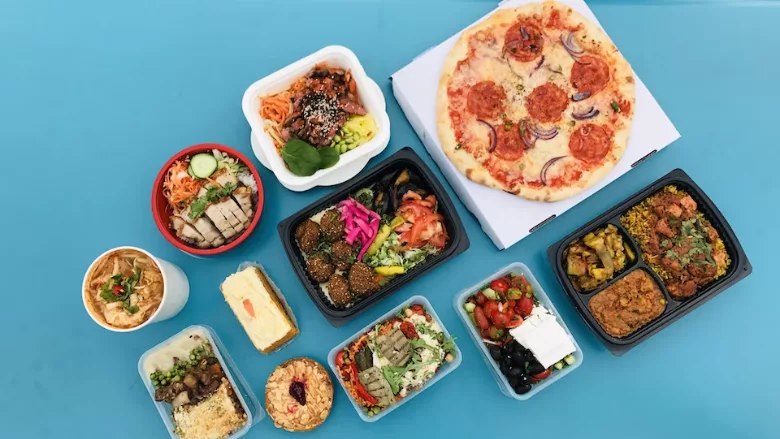
takeout foods

Credit: Cristiano Pinto (crispinto) via Unsplash

December 21, 2022

The U.S. Food and Drug Administration recently highlighted a voluntary guidance document on food safety best practices for direct-to-consumer and third-party food delivery services.

The guidance features several updates from the original draft, such as  recommended practices for transportation directly to a consumer of perishable products, to include proper packaging; temperature control during shipping, receiving, and storage; return of compromised and abused products; and other food safety related topics.

The primary intent of the document is to provide best practices for preventing the biological, physical, and chemical contamination of foods, as well as the growth of harmful bacteria and the formation of toxins within food being transported. Specifically, the guidance includes parameters relevant to:

  • Preventive controls
  • Mechanisms to assess risk
  • Validation and verification practices
  • Recommendations for proper packaging
  • Temperature control
  • Receiving and storage
  • Physical and chemical contamination control
  • Allergen control
  • General food safety information
  • Suggestions for the return of compromised and abused products.

The guidance is not intended to provide a one-size-fits-all approach; rather, it aims to review some of the essential parameters that any company should consider in providing safe foods to consumers. Companies are encouraged to research, understand, and test the methods best suited to their specific operations.

The guidance was prepared by the 2018–2020 Conference for Food Protection (CFP) Direct-to-Consumer Delivery Committee, and the document’s presentation at CFP was postponed to 2021 due to the COVID-19 Pandemic. The document is based on an earlier draft from the 2016–2018 CFP Mail Order Foods Committee. Collaborators on the document include regulatory, nonprofit, and industry stakeholders.

Looking for quick answers on food safety topics?
Try Ask FSM, our new smart AI search tool.
Ask FSM →


KEYWORDS: conference delivery services FDA guidance

Share This Story

Recommended Content

JOIN TODAY
to unlock your recommendations.

Already have an account? Sign In

  • people holding baby chicks

    Serovar Differences Matter: Utility of Deep Serotyping in Broiler Production and Processing

    This article discusses the significance of Salmonella in...
    Meat/Poultry
    By: Nikki Shariat Ph.D.
  • woman washing hands

    Building a Culture of Hygiene in the Food Processing Plant

    Everyone entering a food processing facility needs to...
    Personal Hygiene/Handwashing
    By: Richard F. Stier, M.S.
  • graphical representation of earth over dirt

    Climate Change and Emerging Risks to Food Safety: Building Climate Resilience

    This article examines the multifaceted threats to food...
    International
    By: Maria Cristina Tirado Ph.D., D.V.M. and Shamini Albert Raj M.A.
Manage My Account
  • eMagazine Subscription
  • Subscribe to Newsletters
  • Manage My Preferences
  • Website Registration
  • Subscription Customer Service

More Videos

Sponsored Content

Sponsored Content is a special paid section where industry companies provide high quality, objective, non-commercial content around topics of interest to the Food Safety Magazine audience. All Sponsored Content is supplied by the advertising company and any opinions expressed in this article are those of the author and not necessarily reflect the views of Food Safety Magazine or its parent company, BNP Media. Interested in participating in our Sponsored Content section? Contact your local rep!

close
  • The image shows a variety of fresh produce packaged in plastic trays and wrap.
    Sponsored byWaters Corporation

    PFAS-Free Food Packaging by August 2026

  • This image displays a multi-stage water filtration system designed to remove contaminants from drinking water.
    Sponsored byWaterdrop Filter

    The 4.0 ppt Era: Future-Proofing Your Food Supply Chain Against "Forever Chemicals"

  • The image displays a bottling plant production line, commonly used in the beverage industry for filling and packaging soft drinks.
    Sponsored byBIOIONIX

    Sustainability with ROI: A Beverage Producer Case Study in Water Savings

Popular Stories

recalled Pâté en Croûte products from France

Fatal Listeriosis Outbreak in France Linked to RTE Meats

RAW FARM-brand raw cheddar cheese product

Multistate E. coli Outbreak Likely Caused by Raw Cheese, but Manufacturer Refuses to Recall

moringa powder and supplements

Moringa Supply Chains Under Scrutiny: What Recent Contamination Cases Reveal About Botanical Ingredient Risks

Events

March 26, 2026

Continuous Pathogen Control: Enhancing Sanitation and Environmental Monitoring in Food Processing

Live: March 26, 2026, at 2:00 pm EST: This session explores the role of continuous airborne pathogen control technology in supporting sanitation and environmental monitoring programs within food processing environments.

March 31, 2026

Regulatory Risk, Ingredient Safety, and GRAS: What Companies Need to Act on Now

Live: March 31, 2026, at 11:00 am EDT: From this webinar, attendees will recognize patterns in food policy affecting dietary guidelines, UPFs, state legislative actions, and expected GRAS reform.

April 8, 2026

Foreign Material Contamination: Why In-Line Reinspection Isn't Enough

Live: April 8, 2026, at 11:00 am EDT: From this webinar, attendees will learn why reinspecting with in-line equipment is not sufficient when it comes to potential foreign material contamination.

View All

Products

Global Food Safety Microbial Interventions and Molecular Advancements

Global Food Safety Microbial Interventions and Molecular Advancements

See More Products

Related Articles

  • FDA logo full

    FDA Issues Final Guidance on Best Practices for Convening a GRAS Panel

    See More
  • Food Safety Strategies coronavirus news

    FDA issues best practices on safe food handling and employee health in retail food settings during COVID-19 pandemic

    See More
  • restaurant Workers

    From Corporate to Corner Store: Retail Food Safety Practices in Small Businesses and How They Compare with Large Brands

    See More

Related Products

See More Products
  • 9781138198463.jpg

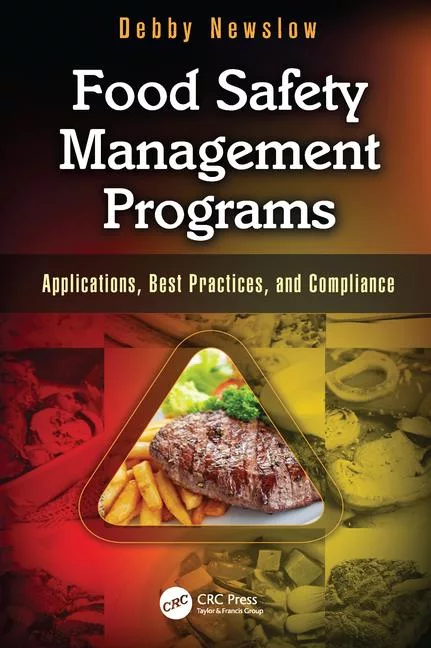
    Food Safety Management Programs: Applications, Best Practices, and Compliance

  • 1119053595.jpg

    Food Safety for the 21st Century: Managing HACCP and Food Safety throughout the Global Supply Chain, 2E

  • 1119160553.jpg

    Food Safety: Innovative Analytical Tools for Safety Assessment

See More Products

Related Directories

  • FoodBusiness ERP

    Designed for food and beverage manufacturing companies, FoodBusiness ERP is built in Sage X3 to provide a unified platform that is configured by NexTec industry experts who deliver a complete food and beverage manufacturing business solution. FoodBusiness ERP was developed from years of industry experience incorporating best practices from food and beverage manufacturers and industry leaders across North America.
  • FenixFoodSafety LLC

    FenixFoodSafety provides high quality food safety training at a competitive prices. We seek to provide the best value to all users. FenixFoodSafety’s food handler course is accredited by the ANSI National Accreditation Board (ANAB).
×

Never miss the latest news and trends driving the food safety industry

Newsletters | Website | eMagazine

JOIN TODAY!
  • RESOURCES
    • Advertise
    • Contact Us
    • Directories
    • Store
    • Want More
  • SIGN UP TODAY
    • Create Account
    • eMagazine
    • Newsletters
    • Customer Service
    • Manage Preferences
  • SERVICES
    • Marketing Services
    • Reprints
    • Market Research
    • List Rental
    • Survey/Respondent Access
  • STAY CONNECTED
    • LinkedIn
    • Facebook
    • Instagram
    • X (Twitter)
  • PRIVACY
    • PRIVACY POLICY
    • TERMS & CONDITIONS
    • DO NOT SELL MY PERSONAL INFORMATION
    • PRIVACY REQUEST
    • ACCESSIBILITY

Copyright ©2026. All Rights Reserved BNP Media, Inc. and BNP Media II, LLC.

Design, CMS, Hosting & Web Development :: ePublishing