California Enacts Law to Track Use of PFAS Pesticides
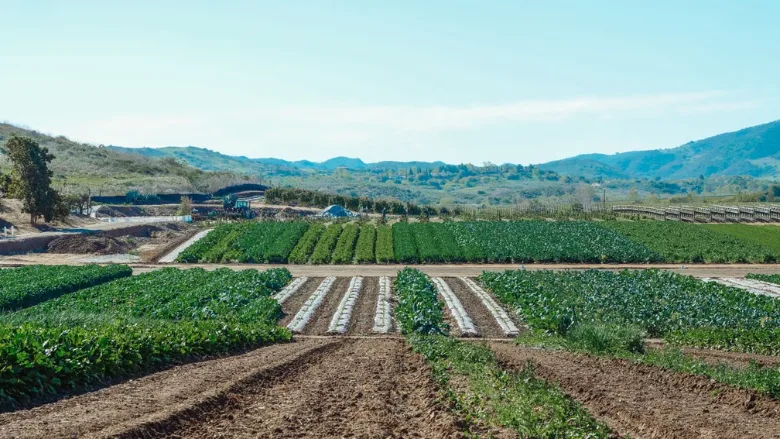
California Governor Gavin Newsom has signed into law an act to track pesticides containing per- and polyfluoroalkyl substances (PFAS) used throughout the state.
Specifically, Assembly Bill 1603 (AB 1603) requires the California Department of Pesticide Regulation (CDPR) to:
- Indicate if a pesticide contains PFAS ingredients in its online pesticide use reporting database
- Include PFAS as a category of interest for purposes of the database
- Track PFAS pesticide use trends in annual reporting documents
- Publish a continuously updated list of all registered pesticides that contain PFAS pesticide ingredients and submit the list to the commissioner of each county.
CDPR must fulfill these obligations under AB 1603 by January 1, 2028.
AB 1603 was introduced by Assemblymember Nick Schultz (D-Burbank). Originally, the bill was much more ambitious, with provisions aiming to completely phase out the registration, use, and sale of PFAS pesticides in California. The enacted version of AB 1603 is heavily amended.
The Increasing Use of PFAS Pesticides
PFAS pesticides are increasingly used in the state of California and nationwide. According to AB 1603, there are more than 70 pesticides containing PFAS active ingredients approved by the U.S. Environmental Protection Agency (EPA), of which CDPR has approved 53 for use in California. The bill text highlights that 23 of these pesticides are prohibited for use in the EU.
PFAS Pesticides on California-Grown Produce
Moreover, analyses of CDPH pesticide use data conducted by the Environmental Working Group (EWG), which cosponsored AB 1603, found that approximately 2.5 million pounds of PFAS pesticides are applied to California crops each year and 37 percent of California-grown produce samples tested positive for PFAS pesticide residues. EWG said that PFAS pesticides account for 15 percent of pesticide residues on California produce despite representing only 5 percent of state-registered active pesticide ingredients.
The PFAS Problem
PFAS, also known as “forever chemicals” due to their inability to break down over time, are highly persistent due to their stable carbon–fluorine bonds. They bioaccumulate and are widely pervasive in the environment and humans, having been introduced through their industrial and consumer goods applications, resulting in their presence in food and drinking water globally. These “forever chemicals” are also associated with health harms like the increased risk of certain cancers, liver and kidney harms, thyroid dysfunction, heightened cholesterol, and hormone disruption.
Looking for quick answers on food safety topics?
Try Ask FSM, our new smart AI search tool.
Ask FSM →