Food Safety
search
Ask Food Safety AI
cart
facebook twitter linkedin instagram youtube
  • Sign In
  • Create Account
  • Sign Out
  • My Account
Food Safety
  • NEWS
    • Latest News
    • Sponsored Insights
    • Sponsored White Papers
  • PRODUCTS
  • TOPICS
    • Contamination Control
    • Food Types
    • Management
    • Process Control
    • Regulatory
    • Sanitation
    • Supply Chain
    • Testing and Analysis
  • PODCAST
  • EXCLUSIVES
    • Food Safety Five Newsreel
    • eBooks
    • FSM Distinguished Service Award
    • Interactive Product Spotlights
    • Videos
  • BUYER'S GUIDE
  • MORE
    • NEWSLETTERS >
      • Archive Issues
      • Subscribe to eNews
    • Store
    • ASK FSM AI
  • WEBINARS
  • FOOD SAFETY SUMMIT
  • EMAG
    • eMagazine
    • Archive Issues
    • Editorial Advisory Board
    • Contact
    • Advertise
  • SIGN UP!
NewsPest ControlMeat/PoultryUSDA

FSIS Updates Veterinary Drug Residue Surveillance in Response to New World Screwworm
By Food Safety Magazine Editorial Team
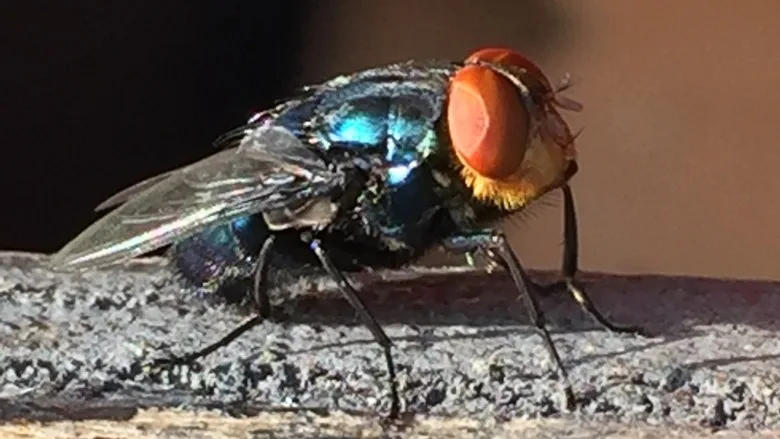
New World Screwworm fly
Image credit: USDA
August 3, 2026

In a constituent update published on July 31, the U.S. Department of Agriculture's Food Safety and Inspection Service (USDA-FSIS) announced that it is enhancing its veterinary drug residue surveillance program under the National Residue Program, in response to the New World screwworm (NWS) fly moving into the U.S.

FSIS is targeting increases in sampling and has updated its laboratory analysis methods in an effort to strengthen its ability to detect potential residues from veterinary drugs used to treat or prevent NWS in livestock. USDA's Animal and Plant Health Inspection Service (APHIS) confirmed the first positive detection of NWS in the U.S. on June 3, 2026. The pest was previously declared eradicated in the U.S. in 1966.

While NWS itself does not pose a food safety risk in edible meat or poultry products, as explained by USDA Under Secretary for Food Safety Mindy Brashears, Ph.D. in a video posted by USDA in mid-June, residues from veterinary drugs used to treat and prevent infestations of NWS are potential chemical hazards. 

FDA's Center for Veterinary Medicine has issued conditional approvals and emergency use authorizations for several drugs in multiple species of livestock. Producers and veterinarians in affected and adjacent areas may increase the use of these drugs to protect and treat their livestock; however, adherence to specified withdrawal periods is necessary to prevent violative levels of drug residues in meat products.

FSIS already tests for a wide range of veterinary drug residues, including residues associated with several NWS drugs. On July 17, the agency announced updates to two of its residue analysis methods, CLG-MEGA1 and CLG-MRM3, to detect additional analytes associated with the newly approved or authorized drugs. Beginning on September 1, 2026, FSIS will also increase routine residue surveillance at livestock slaughter establishments in targeted geographic regions, as described in FSIS Notice 30-26.

Establishments are required to retain livestock carcasses and their parts pending test results, unless FSIS condemns the carcass or the establishment decides to discard it voluntarily.

The agency will continue to publish its findings on the FSIS website through National Residue Program quarterly reports. Establishments with questions can contact their inspector or submit a question through askFSIS, selecting "Sampling" as the inquiry type. The full Constituent Update can be read here.

Looking for quick answers on food safety topics?
Try Ask FSM, our new smart AI search tool.
Ask FSM →


KEYWORDS: chemical safety FSIS veterinary drugs

Share This Story

Fsm purple logo 200x200

The Food Safety Magazine editorial team comprises Bailee Henderson, Director of Content Strategy and news editor ✉, and Adrienne Blume, M.A., Director of Editorial and Industry Engagement.

Recommended Content

JOIN TODAY
to unlock your recommendations.

Already have an account? Sign In

  • people holding baby chicks

    Serovar Differences Matter: Utility of Deep Serotyping in Broiler Production and Processing

    This article discusses the significance of Salmonella in...
    Food Type
    By: Nikki Shariat Ph.D.
  • woman washing hands

    Building a Culture of Hygiene in the Food Processing Plant

    Everyone entering a food processing facility needs to...
    Training
    By: Richard F. Stier, M.S.
  • graphical representation of earth over dirt

    Climate Change and Emerging Risks to Food Safety: Building Climate Resilience

    This article examines the multifaceted threats to food...
    Best Practices
    By: Maria Cristina Tirado Ph.D., D.V.M. and Shamini Albert Raj M.A.
Manage My Account
  • eMagazine Subscription
  • Subscribe to Newsletters
  • Manage My Preferences
  • Website Registration
  • Subscription Customer Service

More Videos

Sponsored Content

Sponsored Content is a special paid section where industry companies provide high quality, objective, non-commercial content around topics of interest to the Food Safety Magazine audience. All Sponsored Content is supplied by the advertising company and any opinions expressed in this article are those of the author and not necessarily reflect the views of Food Safety Magazine or its parent company, BNP Media. Interested in participating in our Sponsored Content section? Contact your local rep!

close
  • Man In Warehouse
    Sponsored byRentokil

    Mitigating Hidden Rodent Risks in Food Facilities

  • an industrial manufacturing or processing facility
    Sponsored bybioMérieux

    Get Ahead of Spoilage in Food Manufacturing with Metagenomics for Preventive Monitoring

  • an automated industrial production line used in a modern food factory
    Sponsored byIFC

    A Formula for Food Processing Pest Management

Popular Stories

dozen white eggs

Nearly 100 Sick in Multistate Salmonella Outbreak, Millions of Eggs Recalled

Business people shaking hands with FDA logo overlay

FDA to Centralize Administrative Functions, Generalize Inspectors

packaged sesame seed buns

FDA's Allergen Agenda Is Expanding: Thresholds, Gluten Cross-Contact, and What Food Companies Should Watch for Next

building a skilled workforce ebook

Events

August 6, 2026

Beyond Sanitation: Understanding the Hidden System Conditions That Allow Pathogens to Persist

Live: August 6, 2026 at 2:00 pm EDT: Attend this webinar to learn strategies for strengthening environmental control programs through a layered approach to pathogen management.

August 11, 2026

Beyond Sanitization: Reducing Contamination Risk Without Raising Operating Cost

Live: August 11, 2026 at 2:00 pm EDT: Attend this webinar to learn why ambient air is the largest and most overlooked contamination zone in food processing, and what it costs you between scheduled cleans.

August 25, 2026

Don’t Wing It: Bird Control for Food Processing Facilities

Live: August 25, 2026 at 2:00 pm EDT: This webinar will cover why managing bird activity should be a priority for your business, the complexities involved in effective bird control, and proactive strategies to help protect your facility.

View All

Products

Global Food Safety Microbial Interventions and Molecular Advancements

Global Food Safety Microbial Interventions and Molecular Advancements

See More Products

Related Articles

  • goat on a farm

    Rates of Non-Compliance With EU Veterinary Drug Residue Limits Remain Minimal in Food Animals

    See More
  • FSSAI and GFSP Join Forces to Train for Mycotoxin, Pesticide Residue and Veterinary Drug Residue Testing

    See More
  • mindy brashears speaking about NWS with text that says 'all animal meat and poultry products must meet food safety standards'

    Busting Myths: New World Screwworm is Not a Food Safety Risk

    See More

Related Products

See More Products
  • 1119237963.jpg

    Food Safety in China: Science, Technology, Management and Regulation

  • 9781138070912.jpg

    Trends in Food Safety and Protection

  • 1118474600.jpg

    Practical Food Safety: Contemporary Issues and Future Directions

See More Products

Related Directories

  • North American Chemical Residue Workshop

    NACRW) formerly the Florida Pesticide Residue Workshop conducts an annual meeting for scientists particularly interested in trace level analysis of pesticides, veterinary drug residues, and other chemicals in food, animal feed, and environmental samples. The purpose of the meeting is to provide training, develop and improve technical knowledge, facilitate development and distribution of new analysis methods and techniques, and establish networking to promote professional cooperation between scientists of these interests.
  • Responsible Training

    Responsible Training has been a trusted leader in compliance education since 1999, providing accessible and reliable training solutions for businesses across highly regulated industries. With deep local expertise in Texas and a nationwide reach, we specialize in helping kitchens across industries get tailored, regulation-focused content that ensures businesses seamlessly meet their compliance requirements. Contact us for more information about our Food Manager Certification, Food Handler Courses, Alcohol Server and Cannabis Vendor courses.
  • Food Safety News

    Food Safety News advances public health by delivering timely, accurate, and comprehensive coverage of foodborne illness outbreaks, recalls, and regulatory developments that impact the safety of our global food supply.
×

Never miss the latest news and trends driving the food safety industry

Newsletters | Website | eMagazine

JOIN TODAY!
  • RESOURCES
    • Advertise
    • Contact Us
    • Directories
    • Store
    • Want More
  • SIGN UP TODAY
    • Create Account
    • eMagazine
    • Newsletters
    • Customer Service
    • Manage Preferences
  • SERVICES
    • Marketing Services
    • Reprints
    • Market Research
    • List Rental
    • Survey/Respondent Access
  • STAY CONNECTED
    • LinkedIn
    • Facebook
    • Instagram
    • X (Twitter)
  • PRIVACY
    • PRIVACY POLICY
    • TERMS & CONDITIONS
    • DO NOT SELL MY PERSONAL INFORMATION
    • PRIVACY REQUEST
    • ACCESSIBILITY

Copyright ©2026. All Rights Reserved BNP Media, Inc. and BNP Media II, LLC.

Design, CMS, Hosting & Web Development :: ePublishing