Food Safety
search
Ask Food Safety AI
cart
facebook twitter linkedin instagram youtube
  • Sign In
  • Join Today
  • Sign Out
  • My Account
Food Safety
  • NEWS
    • Latest News
    • Food Safety Five Newsreel
  • PRODUCTS
  • TOPICS
    • Contamination Control
    • Food Types
    • Management
    • Process Control
    • Regulatory
    • Sanitation
    • Supply Chain
    • Testing and Analysis
  • PODCAST
  • EXCLUSIVES
    • eBooks
    • Sponsored Insights
    • Sponsored White Papers
    • FSM Distinguished Service Award
    • Interactive Product Spotlights
    • Videos
  • MORE
    • BUYER'S GUIDE
    • NEWSLETTERS >
      • Archive Issues
      • Subscribe to eNews
    • Store
    • ASK FSM AI
  • WEBINARS
  • FOOD SAFETY SUMMIT
  • FSM FEATURES
    • FSM Features Collection
    • eMag Archives
    • Editorial Advisory Board
    • Contact
    • Advertise
  • JOIN
NewsContamination ControlFood TypeRegulatoryChemical ControlMeat/PoultryInternational Standards/Harmonization

EU Clarifies Veterinary Drug Residue Enforcement for Meat Products
By Food Safety Magazine Editorial Team
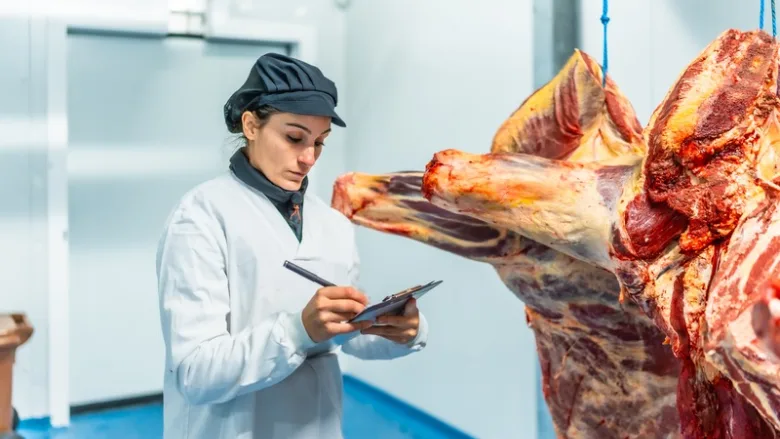
inspecting butchered meat
Image credit: Unaihuiziphotography/iStock/Getty Images Plus via Getty Images
November 6, 2026

The European Commission has adopted a regulation defining enforcement requirements for violations involving veterinary drug withdrawal periods, maximum residue limits or maximum levels, and illegal treatment of food-producing animals, including new provisions addressing products that have already been slaughtered, processed, or incorporated into batches containing compliant foods.

Commission Delegated Regulation (EU) 2026/2408 amends Delegated Regulation (EU) 2019/2090 to clarify the actions competent authorities must take when noncompliance is identified, including requirements for product disposal, investigations, and risk-based enforcement measures.

Enforcement Requirements for Veterinary Drug Withdrawal Period Violations

The amendments clarify that official veterinarians are required to declare meat, meat products, offal, and other affected products “unfit for human consumption” when there is suspicion or evidence that the animals were slaughtered before the required withdrawal period for veterinary drugs had elapsed. The products must be disposed of as Category 2 animal byproducts.

The regulation also establishes follow-up measures when withdrawal-period noncompliance is confirmed, requiring competent authorities to declare affected processed and unprocessed products of animal origin unfit for human consumption and order their disposal.

Noncompliant Products Mixed With Compliant Foods

The regulation also clarifies enforcement requirements when animal-derived products affected by withdrawal-period violations, excessive residues, or illegal treatment have been incorporated into batches containing compliant products.

When affected products can be isolated from compliant products, they must be declared unfit for human consumption and disposed of under the applicable animal by-product requirements.

When affected products cannot be isolated, competent authorities must assess available information and take appropriate measures to eliminate or reduce risks to human health.

Looking for quick answers on food safety topics?
Try Ask FSM, our new smart AI search tool.
Ask FSM →

These measures may include restricting or prohibiting products from entering the market, requiring increased operator testing and official controls, and ordering product recalls, withdrawals, removal, or destruction.

Products affected by withdrawal-period violations or excessive residues must be disposed of as Category 2 animal by-products, while products affected by illegal treatment are subject to Category 1 disposal requirements.

Cross-Border Enforcement Requirements Expanded

The regulation also extends administrative notification and assistance requirements to withdrawal-period violations involving animals or products originating from another EU Member State.

When such noncompliance is established, the investigating authority must notify the relevant authorities in accordance with the EU Official Controls Regulation and request administrative assistance when required.

The competent authority in the Member State of origin must then apply the relevant enforcement measures to the farm or establishment of origin or departure.

The amendments are intended to ensure more consistent enforcement of EU requirements concerning veterinary drug residues and illegal treatment throughout the animal-derived food supply chain.


KEYWORDS: EU Europe residue testing veterinary drugs

Share This Story

Fsm purple logo 200x200

The Food Safety Magazine editorial team comprises Bailee Henderson, Director of Content Strategy and news editor ✉, and Adrienne Blume, M.A., Director of Editorial and Industry Engagement.

Recommended Content

JOIN TODAY
to unlock your recommendations.

Already have an account? Sign In

  • people holding baby chicks

    Serovar Differences Matter: Utility of Deep Serotyping in Broiler Production and Processing

    This article discusses the significance of Salmonella in...
    Food Type
    By: Nikki Shariat Ph.D.
  • woman washing hands

    Building a Culture of Hygiene in the Food Processing Plant

    Everyone entering a food processing facility needs to...
    Food Prep/Handling
    By: Richard F. Stier, M.S.
  • graphical representation of earth over dirt

    Climate Change and Emerging Risks to Food Safety: Building Climate Resilience

    This article examines the multifaceted threats to food...
    Contamination Control
    By: Maria Cristina Tirado Ph.D., D.V.M. and Shamini Albert Raj M.A.
Manage My Account
  • Join Food Safety Magazine
  • Manage My Preferences
  • Customer Service

More Videos

Sponsored Content

Sponsored Content is a special paid section where industry companies provide high quality, objective, non-commercial content around topics of interest to the Food Safety Magazine audience. All Sponsored Content is supplied by the advertising company and any opinions expressed in this article are those of the author and not necessarily reflect the views of Food Safety Magazine or its parent company, BNP Media. Interested in participating in our Sponsored Content section? Contact your local rep!

close
  • pre-packaged salads, noodles, and prepared meals stocked on multi-tier grocery store refrigerator shelves
    Sponsored byCorbion

    How Many Days of Shelf Life Are You Leaving on the Table?

  • Top view portrait of two factory workers standing by conveyor belt during quality inspection at food production, copy space
    Sponsored byFlexXray

    Foreign Material By the Numbers: What the 2026 Benchmark Report Reveals

  • a conveyorized industrial metal detector system that appears to resemble a Loma Systems IQ4 Metal Detector setup with an integrated conveyor belt and control panel for food or package inspection.
    Sponsored byMettler Toledo

    Beyond Detection: How to Avoid Physical Contamination in Food Through a Smarter Inspection Strategy

Popular Stories

choosing food in the freezer aisle

Refrigerator Malfunctions on U.S. Military Bases May Be Result of Targeted Cyberattacks, Similar to French Incident

supermarket freezers

Another Wave of Refrigerator Cyberattacks Sweeps European Grocery Stores, Causing More Food Losses

doctor talking to patient

U.S. is Making Little Progress Toward 2030 Foodborne Illness Reduction Goals, Data Shows

allergens ebook

Events

November 12, 2026

From Data Overload to Actionable Food Safety Risk Intelligence

Live: November 12, 2026 at 11:00 am EST: This webinar explores how data integration, advanced analytics, and digital technologies can help transform disparate information into meaningful risk intelligence.

November 17, 2026

Are You Getting the Most from Your Food Safety Testing?

Live: November 17, 2026 at 11:00 am EST: Attend this webinar to explore practical ways food processors can modernize sanitation verification and microbiological testing while keeping workflows simple and effective.

December 2, 2026

Beyond Surface Clean: Tackling Biofilms and Persistent Pathogens

Live: December 2, 2026 at 11:00 am EST: Attend this webinar to understand why chlorine dioxide is not chlorine, and what “ultra-pure” means for residues, byproducts, and effectiveness.

View All

Products

Global Food Safety Microbial Interventions and Molecular Advancements

Global Food Safety Microbial Interventions and Molecular Advancements

See More Products

Related Articles

  • goat on a farm

    Rates of Non-Compliance With EU Veterinary Drug Residue Limits Remain Minimal in Food Animals

    See More
  • two farm vets in white coats squatting on ground in front of cows in a pen smiling at the camera with thumbs up

    EU Food Supply Remains Largely Compliant with Veterinary Drug Residue Limits

    See More
  • New World screwworm fly

    FSIS Updates Veterinary Drug Residue Surveillance in Response to New World Screwworm

    See More

Related Products

See More Products
  • 1119053595.jpg

    Food Safety for the 21st Century: Managing HACCP and Food Safety throughout the Global Supply Chain, 2E

  • 1119160553.jpg

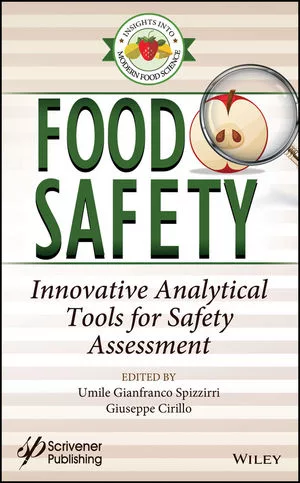
    Food Safety: Innovative Analytical Tools for Safety Assessment

  • 1118396308.jpg

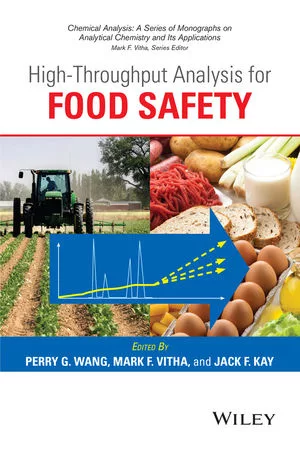
    High Throughput Analysis for Food Safety

See More Products

Events

View AllSubmit An Event
  • September 22, 2026

    From EFSA to Enforcement: Managing the Growing Complexity of EU MRLs

    On Demand: Attend this webinar to evaluate best practices for monitoring regulatory changes and protecting market access.
View AllSubmit An Event

Related Directories

  • North American Chemical Residue Workshop

    NACRW) formerly the Florida Pesticide Residue Workshop conducts an annual meeting for scientists particularly interested in trace level analysis of pesticides, veterinary drug residues, and other chemicals in food, animal feed, and environmental samples. The purpose of the meeting is to provide training, develop and improve technical knowledge, facilitate development and distribution of new analysis methods and techniques, and establish networking to promote professional cooperation between scientists of these interests.
  • Drug Plastics & Glass

    We make HDPE bottles, PET bottles, and plastic closures for medicinal, wellness, and lifestyle products. We focus on understanding the packaging needs and challenges facing the healthcare market. This allows us to service producers of prescription drugs, over-the-counter medicines, supplements, vitamins, recreational cannabis and medical marijuana better than anyone else.
×

Never miss the latest news and trends shaping the food safety industry

Newsletters | Website | FSM Features Collection

JOIN TODAY!
  • RESOURCES
    • Advertise
    • Contact Us
    • Directories
    • Store
  • JOIN TODAY
    • Create Account
    • FSM Features Collection
    • Newsletters
    • Customer Service
    • Manage Preferences
  • SERVICES
    • Marketing Services
    • Reprints
    • Market Research
    • List Rental
    • Survey/Respondent Access
  • STAY CONNECTED
    • LinkedIn
    • Facebook
    • Instagram
    • X (Twitter)
    • YouTube
  • PRIVACY
    • PRIVACY POLICY
    • TERMS & CONDITIONS
    • DO NOT SELL MY PERSONAL INFORMATION
    • PRIVACY REQUEST
    • ACCESSIBILITY

Copyright ©2026. All Rights Reserved BNP Media, Inc. and BNP Media II, LLC.

Design, CMS, Hosting & Web Development :: ePublishing