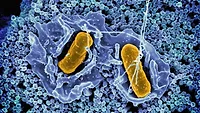
Shigella Vaccine Shows Promise in Phase 2 Clinical Trial
A Phase 2 clinical trial published in The Lancet Infectious Diseases has reported encouraging results for an experimental oral vaccine against Shigella sonnei, a leading cause of diarrheal disease worldwide.
Robert Frenck, M.D., Director of the Vaccine Research Center at Cincinnati Children’s Hospital and a joint senior author of the study, said the findings represent "an important step forward in developing a safe and effective vaccine against Shigella."
Vaccine Offers 89 Percent Protection
According to the researchers, two doses of the live-attenuated vaccine candidate, WRSs2, provided 89 percent protection against S. sonnei infection compared with placebo in a controlled human infection model. The findings exceeded efficacy reported in previous Shigella vaccine trials and support advancing the candidate into larger clinical studies.
The Burden of Drug-Resistant Shigella Infections
Shigella causes tens of millions of infections and hundreds of thousands of deaths globally each year, primarily affecting children younger than five years of age. In the U.S., the pathogen is estimated to cause approximately 450,000 infections annually. Because Shigella is increasingly resistant to antibiotics and no licensed vaccine currently exists, researchers said an effective vaccine could help reduce the disease's global burden.
Earlier in 2026, the U.S. Centers for Disease Control and Prevention (CDC) flagged the rise of extensively drug-resistant (XDR) Shigella in the country, with the proportion of XDR Shigella isolates rising from 0 percent during 2011–2015 to 8.5 percent in 2023.
Vaccine Could Also Reduce Transmission
The Phase 2 trial enrolled 108 healthy adults aged 18–49 years between October 2022 and January 2024, with 73 participants completing the controlled infection phase. In addition to reducing illness, vaccinated participants experienced less severe symptoms and lower levels of bacterial shedding, suggesting the vaccine could also reduce transmission.
Researchers reported no vaccine-related serious adverse events, although temporary side effects prompted dose adjustments during the study.
Looking for quick answers on food safety topics?
Try Ask FSM, our new smart AI search tool.
Ask FSM →
Future Research
The researchers said future studies will evaluate long-term protection, optimal dosing, and broader protection against multiple Shigella strains, including trials in children and other high-risk populations.
The study was funded by the U.S. National Institutes of Health, with pharmaceutical support from the U.S. Department of Defense. Collaborating institutions included Emory University, the National Institute of Allergy and Infectious Diseases, Walter Reed Army Institute of Research, the Naval Medical Research Command, and the Emmes Company.